




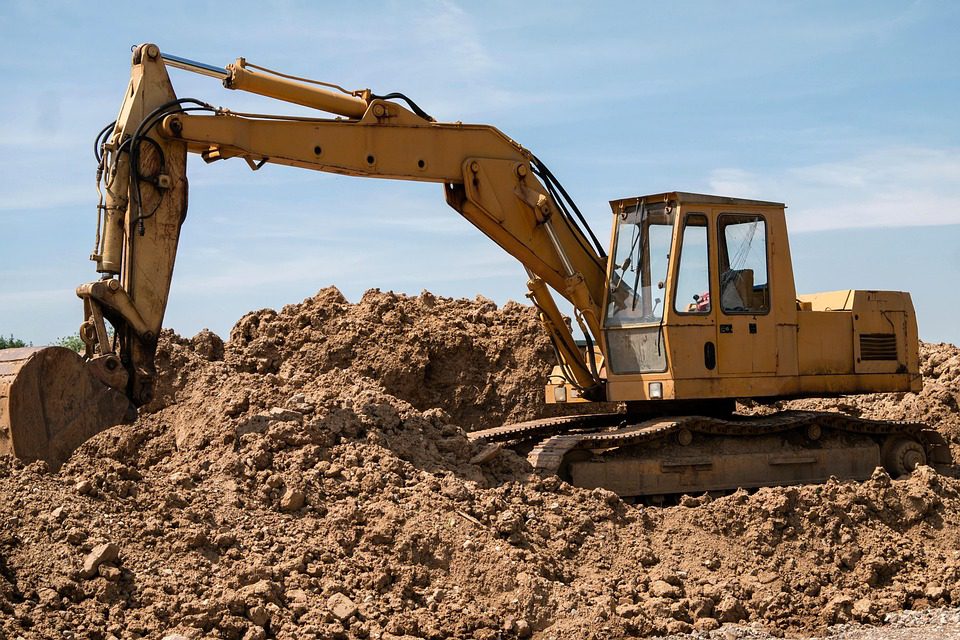
Enhancing Efficiency: Innovative Strategies in Construction Project Management
In the ever-evolving landscape of construction project management, the drive for efficiency is stronger than ever. As an experienced construction project manager, I’ve witnessed firsthand how innovative strategies can dramatically change project outcomes, enhancing not just productivity but overall project satisfaction. Let’s delve into effective methods that can transform construction project management and lead to success.
Integrating Technology into Project Lifecycle
The construction industry has long been criticized for being slow to adopt new technologies. However, with the rise of digital tools, this is rapidly changing. By embracing technology, project managers can streamline operations, improve communication, and enhance decision-making.
Case Study: Smart Project Monitoring
Consider a large-scale infrastructure project where traditional methods of tracking progress were leading to delays and cost overruns. By implementing smart project monitoring systems equipped with AI capabilities, the project team could visualize real-time data on project progress, identify bottlenecks early, and make data-driven decisions. This proactive approach resulted in a 20% reduction in project time and a 15% decrease in costs. 📊
| Technology | Benefits |
|---|---|
| Drones | Aerial surveys, progress tracking, safety monitoring |
| Building Information Modeling (BIM) | Enhanced collaboration and visualization |
| AI Construction Tools | Predictive analysis for better resource allocation |
For tools to consider, platforms like PlanGrid and Procore offer excellent project management services that integrate various technologies for seamless operations.
Emphasizing Collaborative Work Environments
A collaborative workspace isn’t just about having an open office layout. It involves fostering a culture where team members can share ideas freely, address concerns quickly, and contribute to problem-solving. A solid rapport among team members can lead to enhanced accountability and timely decision-making.
Example: Weekly Alignment Meetings
At one project site, we instituted a practice of weekly alignment meetings with team members across various disciplines. This was transformative! For instance, when a dispute arose between the engineering and construction teams over design specifications, the weekly meetings ensured the issue was addressed immediately, preventing costly delays. Additionally, our ability to catch issues early improved project morale. Team members felt more engaged and motivated. 🤝
| Collaboration Method | Outcome |
|---|---|
| Weekly Alignment Meetings | Increased accountability and rapid issue resolution |
| Cross-Department Workshops | Improved understanding of roles and responsibilities |
For tools that facilitate collaboration, consider Slack and Microsoft Teams, which allow for real-time messaging and file sharing.
Prioritizing Safety and Sustainability
Safety on site is paramount in construction, but now, a holistic approach also includes sustainability. Recent legislation and public expectations are driving the industry to adopt greener practices. Focusing on both can enhance efficiency and build a better reputation.
Case Study: Sustainable Materials Initiative
In a recent residential project, we set a goal of using 30% sustainable materials. The result? Not only did it align with our company’s values, but it also attracted environmentally conscious clients. The project drew attention for its innovative use of recycled materials, leading to a 25% increase in inquiries for similar projects. Sustainability isn’t just ethical; it can be a significant differentiator in the marketplace. 🌱
| Safety Practices | Sustainability Practices |
|---|---|
| Regular Safety Training | Sourcing recycled or eco-friendly materials |
| Implementing a Safety App | Energy-efficient machinery usage |
Explore AI construction services for tools and platforms that advocate safety and sustainability.
Leveraging Data Analytics
Having access to accurate data is crucial for making informed decisions. Using data analytics can help predict issues before they arise and enable better resource allocation, resulting in enhanced project efficiency.
Example: Predictive Analytics for Scheduling
On a commercial project, we integrated predictive analytics into our scheduling processes. By analyzing historical data, we could foresee potential delays related to weather, material deliveries, and labor availability. For example, when weather forecasts predicted heavy rains, we adjusted the schedule to prioritize indoor tasks. This proactive scheduling minimized disruptions and kept the project on track. 📅
| Analytics Use | Benefit |
|---|---|
| Scheduling Predictive Analytics | Reduced downtime and enhanced resource planning |
| Risk Analysis | Identifying potential issues before they impact the project |
Tools like Tableau and Microsoft Power BI can help in the realm of data analytics and project control.
Enhancing Communication Through Documentation
Effective communication hinges on well-structured documentation. When information is easily accessible and clear, it reduces misunderstandings and miscommunication among stakeholders.
Case Study: Centralized Document Management
On a recent renovation project, adopting a centralized document management system made it easier for all stakeholders, including architects, contractors, and clients, to access up-to-date project information. The change led to a 30% reduction in time spent on clarifying design changes, allowing the team to focus more on execution rather than paperwork. 📜
| Documentation Method | Impact |
|---|---|
| Centralized Document Management | Faster access to information |
| Cloud-Based Storage | Enhanced collaboration and version control |
Consider tools such as DocuSign for document management and collaboration.
Conclusion
In the competitive world of construction project management, enhancing efficiency is not just about keeping costs down, but also about fostering a culture of innovation and collaboration. The strategies outlined here—leveraging technology, emphasizing collaboration, prioritizing safety and sustainability, utilizing data analytics, and enhancing documentation—are the cornerstones of a successful project.
By implementing these innovative practices, we can not only meet project goals but exceed stakeholder expectations, leading to truly successful project completions. Remember, the construction industry is ripe for transformation, and those who adapt will surely thrive.
FAQs
1. What are some tools for construction project management?
There are several excellent tools available, including Procore, PlanGrid, and Asana.
2. How can technology improve construction efficiency?
Technology facilitates real-time communication, data analytics, and streamlined documentation, which can lead to better decision-making and reduced project delays.
3. Why is collaboration important in construction?
Collaboration fosters accountability and helps teams address issues quickly, ultimately leading to smoother project execution.
4. How can sustainability be incorporated into construction projects?
By sourcing sustainable materials, reducing waste, and implementing energy-efficient practices, projects can be both environmentally friendly and cost-effective.
5. What are predictive analytics, and how do they help in construction?
Predictive analytics involves using historical data to anticipate potential challenges and optimize resource allocation, leading to more efficient project management.
Feel free to reach out if you have more questions about enhancing efficiency in your construction projects!