

Creating a detailed project plan is pivotal for ensuring your construction project runs smoothly. You need to understand everything from resource allocation to risk management. Let’s breakdown the process in an approachable way, drawing from real-life construction management experiences.
Understanding Project Scope
Before diving into any project, defining the scope is essential. The scope outlines what is included in the project and what is not. For example, if you’re building a commercial complex, the scope would specify everything from the number of floors to the materials used.
Example:
A project to build a multi-story office building could have a scope that includes ground preparation, foundation laying, structural framework, and installation of retail spaces on the ground floor. It would specify what materials to use and might exclude landscaping, which could be part of a future project phase.
Setting SMART Goals
Setting SMART goals is crucial for project planning. SMART stands for Specific, Measurable, Achievable, Relevant, and Time-bound. These criteria ensure your objectives are clear and reachable.
Example:
Instead of saying “complete the building by next year,” a SMART goal would be “complete the building framework by Q2 2026, achieving a safety inspection score of 90%.”
Resource Allocation and Budgeting
Next up is resource allocation. Understanding what resources you have and how to use them effectively can save time and money.
Here’s a simple table that shows how to allocate resources effectively:
| Resource | Quantity Needed | Budget Estimate | Actual Cost |
|---|---|---|---|
| Labor | 50 workers | $200,000 | $195,000 |
| Materials | 10,000 bricks | $150,000 | $145,000 |
| Equipment | 5 cranes | $100,000 | $95,000 |
By comparing the budget estimates to the actual cost, you can fine-tune your allocations where necessary.
Risk Management
Identify potential risks at the beginning will save you a lot of trouble later. Risks can come from various sources: financial instability, weather conditions, or even supply chain issues.
Case Study:
Consider a project that faced delays due to unexpected rain. By establishing a risk management plan upfront, the project manager scheduled work considering weather forecasts, allowing teams to change plans and stay on track.
Developing the Timeline
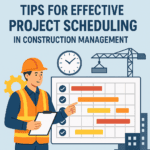
Timing is everything in construction. A Gantt chart is a fantastic tool for visualizing project phases and tracking progress. You can break down tasks into phases, which helps in identifying dependencies.
Here’s a quick view of how phases can be visualized in a Gantt chart:
| Task | Start Date | End Date |
|---|---|---|
| Site Preparation | Jan 2026 | Feb 2026 |
| Foundation Work | Feb 2026 | Mar 2026 |
| Framework Erection | Mar 2026 | Apr 2026 |
| Interior Finishing | Apr 2026 | Jun 2026 |
Using software like Microsoft Project or Asana can help streamline this process.
Communication Plan
Establishing a solid communication plan among all stakeholders cannot be overstated. Regular meetings, progress reports, and updates keep everyone on the same page.
Example:
Schedule bi-weekly meetings to discuss project progress, addressing any challenges that arise. You can use tools such as Slack for daily communication and Zoom for video meetings.
Quality Control Measures
Quality should never be compromised. Implement a quality control plan to define standards and methods for ensuring the project meets all requirements.
-
Regular Inspections:
Conduct inspections at various project stages to ensure compliance. -
Testing Materials:
Test materials for safety and reliability before use.
Closing the Project
Once the project is complete, you need to ensure that all tasks are finalized, including thorough documentation and client handover.
- Review: Assess whether the project met its goals.
- Documentation: Document everything for future reference and learnings.
Advantages of a Comprehensive Project Plan
| Advantage | Benefit |
|---|---|
| Clarity | Clear understanding of deliverables |
| Accountability | Assign tasks and ownership |
| Resource Optimization | Better use of available resources |
| Risk Mitigation | Address problems before they arise |
| Timely Completion | Adhere to deadlines |
Tools and Services
Utilizing specialized tools can drastically improve project management effectiveness:
- Construction Project Management Services: Bechtel
- Construction Project Management Tools: Procore
- Construction Project Control Services: Turner & Townsend
- Construction Project Control Tools: Buildertrend
- AI Construction Services and Tools: ChatGPT can assist in project analysis and decision-making.
Frequently Asked Questions (FAQs)
Q1: How long should a project planning phase take?
A: The planning phase typically depends on the project’s size and complexity but can range from a few weeks to several months.
Q2: What is the best way to handle risks?
A: You can manage risks by regularly reviewing the risk management plan and adapting it based on real-time project conditions.
Q3: Who should be involved in the project planning?
A: Involve key stakeholders such as engineers, contractors, financial analysts, and clients to get diverse perspectives.
Q4: What tools are best for tracking project progress?
A: Tools like Microsoft Project and Asana are excellent for tracking tasks, deadlines, and project status.
Implementing a comprehensive project plan isn’t just a box-checking exercise; it’s a strategic approach to ensure success in the challenging world of construction. 📊🚧