
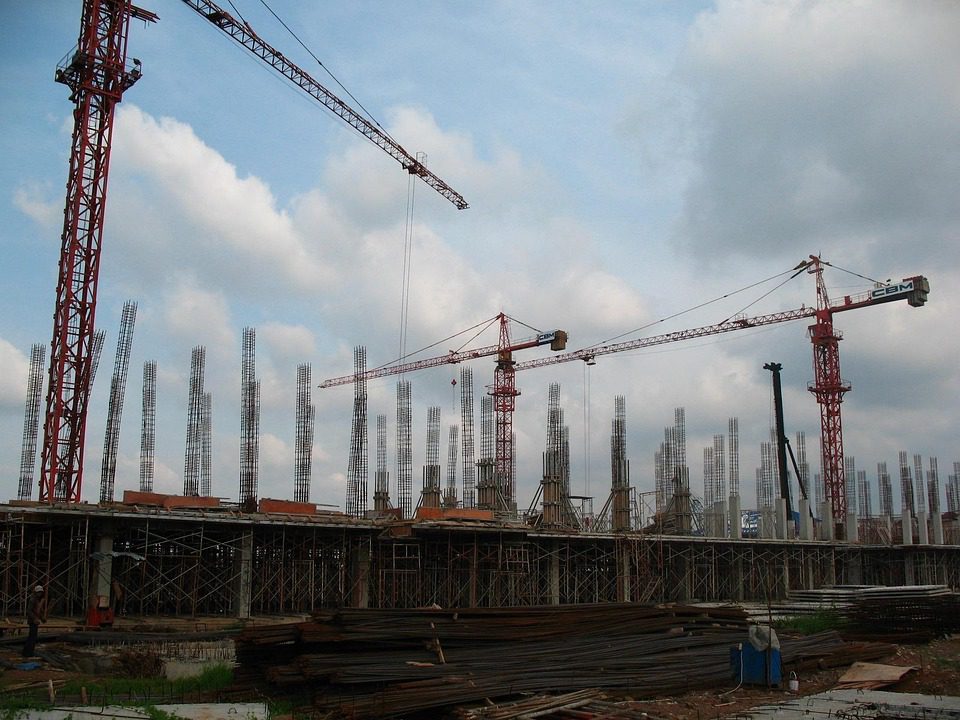
Implementing project controls in construction projects is crucial. It helps in minimizing risks, optimizing resources, and ensuring projects are completed on time and within budget. Let’s delve into how this can be done effectively.
Setting Clear Objectives
Before you even think about controls, establish clear project objectives. What do you want to achieve? Consider variables such as budget, timeline, and quality standards. In 2026, a major commercial building project had a goal to reduce costs by 15% while enhancing material quality. Clear objectives allowed the team to focus on what mattered most, creating a roadmap for success.
Choosing the Right Tools
Once you know your objectives, selecting appropriate project control tools and technologies is next. The following table highlights some popular options:
| Tool/Service | Advantages | Link |
|---|---|---|
| Project Management Software | Integrated planning, task assignment, and scheduling | Project Control Services |
| Budgeting Tools | Real-time budget tracking | Construction Project Control Tools |
| AI-Powered Solutions | Predictive analytics for risk management | Construction Project Control AI Services |
For example, using AI-powered tools can help forecast potential budget overruns. Imagine implementing an AI tool on a residential project, predicting a 10% overrun before it happens. This allows teams to take corrective action promptly, saving both time and money.
Establishing Key Performance Indicators (KPIs)
Defining KPIs helps gauge project success. Common KPIs in construction include:
- Schedule Variance: Measures if the project is on schedule.
- Cost Performance Index (CPI): Evaluates cost efficiency.
- Quality Metrics: Assesses material and workmanship standards.
In a recent highway construction case, the project team tracked these KPIs weekly. By doing so, they identified delays early, allowing for timely adjustments.
Regular Monitoring and Reporting
Monitoring progress regularly provides insights into your project’s status. Schedule weekly or bi-weekly meetings to review KPIs, discuss challenges, and celebrate successes. A construction site manager might say, “By addressing concerns in our weekly meetings, we’re able to keep the team aligned.”
Using software to generate reports can streamline this process. Reports should focus on vital areas, such as:
- Budget status
- Schedule adherence
- Quality of materials used
Visual aids like graphs and charts can make it easier to digest complex data. Here’s a simple example comparing budget usage over the first three months of a typical project:
| Month | Planned Budget | Actual Budget | Variance |
|---|---|---|---|
| January | $100,000 | $90,000 | $10,000 |
| February | $150,000 | $180,000 | -$30,000 |
| March | $120,000 | $110,000 | $10,000 |
This table demonstrates how monitoring can quickly highlight areas needing attention.
Risk Management
A proactive approach to risk management is essential. Conduct a risk assessment at the project’s outset and continually update it as the project progresses. Use a risk matrix to categorize and prioritize risks. For instance:
| Risk | Likelihood | Impact | Mitigation Strategy |
|---|---|---|---|
| Material Delay | High | High | Maintain strong vendor relationships |
| Labor Shortage | Medium | Medium | Cross-train employees |
| Weather Impact | Low | High | Schedule buffer days |
By identifying potential risks early and having a mitigation strategy, teams are better prepared to handle issues as they arise.
Effective Communication
Maintaining open communication among stakeholders is vital. Utilize platforms that allow for seamless information sharing. This could be a shared dashboard for real-time updates or regular newsletters to keep all parties informed. Everyone, from contractors to clients, should be aware of project progress and challenges.
A study showed that projects utilizing effective communication platforms reduced errors by 25%. That’s significant in terms of both time and cost savings!
Change Management Procedures
Change is inevitable in construction. Establishing a formal change management process allows the team to adapt while minimizing disruptions. Train your team to document changes, assess their impact, and communicate them accordingly. Using a designated change control template can simplify this process.
An example could be a contractor changing a facade material because of a supply issue. If the process is in place, it ensures all stakeholders are informed, and the project’s integrity remains intact.
Leveraging Technology
Utilize emerging technologies such as Building Information Modeling (BIM) and augmented reality for project visualization. These tools enable better planning and can highlight potential challenges before they arise. According to recent studies, projects using BIM reduced rework by 30%.
In a recent commercial building project, the use of augmented reality helped visualize the end result, facilitating a smoother approval process with stakeholders.
Periodic Reviews and Lessons Learned
At various project phases, conduct reviews to assess what’s working and what isn’t. An end-of-project review is essential for capturing lessons learned. Document both successes and failures, so the team can improve future project controls.
Case Study Example
In a notable case, a large infrastructure project struggled with cost overruns. After implementing strict project controls—including real-time budget tracking and regular KPI reviews—the team noticed a 20% decrease in costs within six months. By combining robust tools and clear communication, they not only kept the project on track but also enhanced team productivity.
Conclusion
Implementing effective project controls in construction projects isn’t just about choosing the right tools. It involves clear objectives, continuous monitoring, proactive risk management, and open communication. With the right strategies and a dedicated team, achieving project success is within reach!
FAQs
Q1: What are the main benefits of project controls in construction?
A1: Project controls help in minimizing costs, maintaining timelines, and ensuring quality—all leading to successful project delivery.
Q2: How often should project budgets be reviewed?
A2: Ideally, budgets should be monitored weekly to catch discrepancies early.
Q3: What tools are best for monitoring project controls?
A3: Tools like project management software, budgeting tools, and AI-powered solutions are highly effective.
Q4: Can AI assist in project controls?
A4: Absolutely! AI can forecast risks, improve budgeting accuracy, and enhance overall project efficiency.
Q5: How does effective communication impact project success?
A5: Open and effective communication helps in aligning stakeholders and reducing project errors.
For more detailed insights, check the following links:
- Construction Project Control Services
- Construction Project Control Tools
- Construction Project Control AI Services
Feel free to reach out for further assistance or guidance on specific areas! 🛠️📊