




How to Implement Effective Construction Project Controls for Enhanced Efficiency
Implementing effective construction project controls is essential for achieving project success, enhancing efficiency, and managing costs. Here’s how to go about it, step by step.
Define your Project Goals Clearly
Start by establishing precise objectives. Without clarity, teams may diverge from the intended path. Break your goals down and communicate them effectively across the project team. For example, if your goal is to complete a commercial building in 12 months, ensure all team members understand this timeline and the critical milestones involved.
🛠️ Case Study: In a recent project to build a community center, the team held initial meetings to define and document key objectives. By involving all stakeholders, they aligned on priorities, reducing misunderstandings later.
Utilize Project Management Tools
Select robust project management tools that fit the project’s scope. Tools like Microsoft Project or Smartsheet offer valuable functionalities:
- Schedule tracking
- Resource allocation
- Budget management
| Tool | Advantages |
|---|---|
| Microsoft Project | Integration with other Microsoft tools |
| Smartsheet | User-friendly interface for collaboration |
With the right tools, you can maintain project visibility and ensure timely updates. 💼
Establish a Comprehensive Budget
A well-planned budget is critical. It should include not just hard costs like materials and labor but also soft costs, such as permits and administrative fees. Don’t forget to allocate a contingency fund to handle unforeseen issues.
📅 Example: In a residential project, the project budget was set at $1 million. The team allocated 10% for contingencies. When unexpected soil issues arose, they were able to cover repairs, keeping the project on track without financial strain.
Implement Risk Management Strategies
Every construction project faces risks, from weather delays to supply chain issues. Conduct a risk assessment at the project’s start and continuously update it. Involve your team in discussions around potential risks to foster a culture of proactive risk management.
🔍 Example: During a highway expansion project, the team identified potential weather delays. They scheduled major activities during seasons known for minimal rain, successfully reducing downtime.
Regularly Monitor and Report Progress
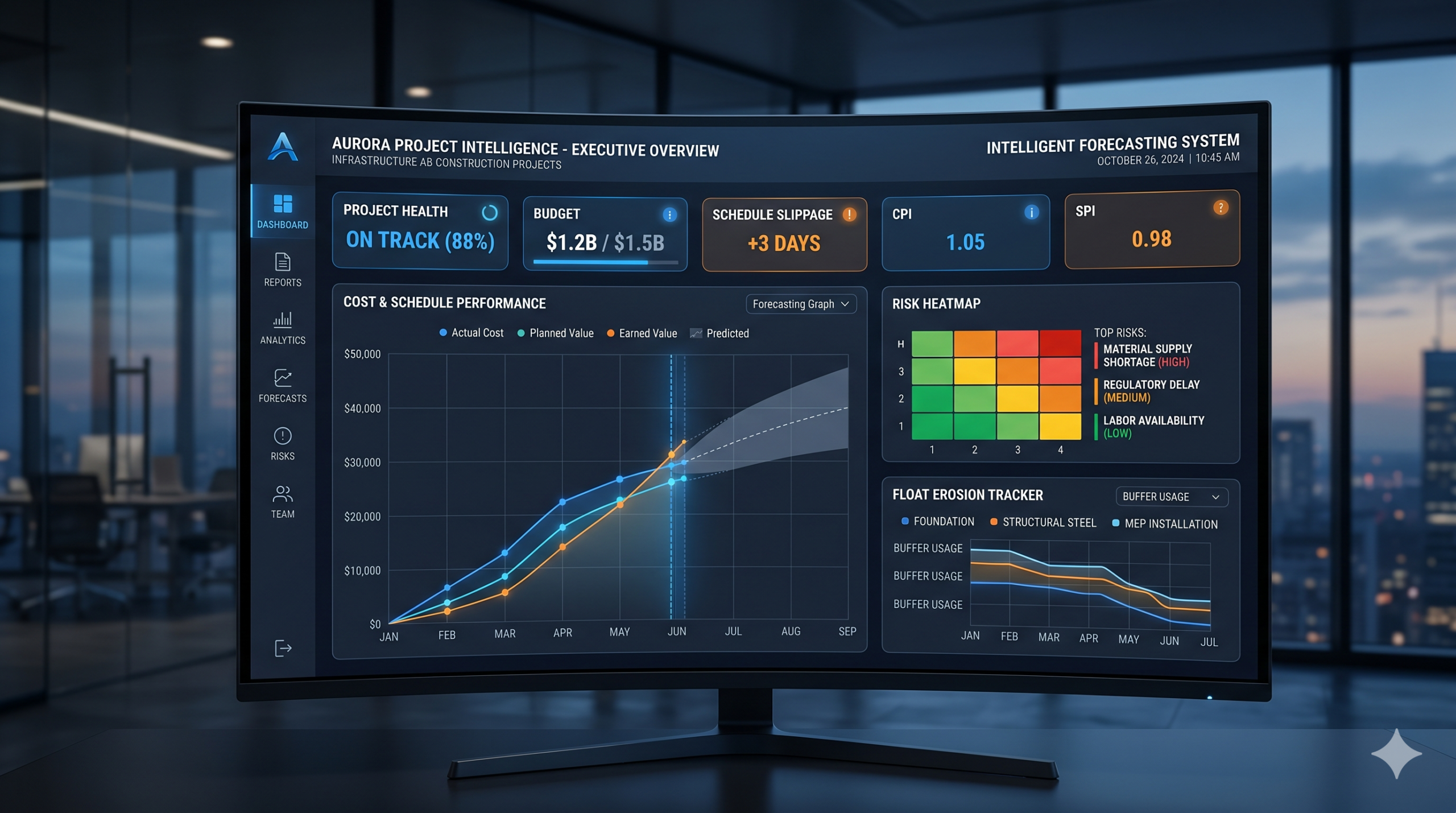
Create regular reporting mechanisms to track project phases. Weekly meetings or bi-weekly progress reports can help stay on schedule. Use dashboards provided by management tools to visualize data and trends.
| Reporting Frequency | Purpose |
|---|---|
| Daily | Quick updates on task status |
| Weekly | In-depth review of progress and issues |
| Monthly | Financial status review |
📈 Case Study: A construction manager in a commercial project implemented daily progress tracking using dashboards. This transparency led to quicker response times for issues and enhanced team morale.
Foster Open Communication
Promoting a culture of open communication is key. Ensure your team feels comfortable discussing challenges without fear of reprimand. This can lead to innovative solutions and a more cohesive team environment.
💬 Example: In a multi-family housing project, a site foreman encouraged workers to share concerns during morning briefings. This led to the early identification of a labor shortage issue, allowing the team to adjust schedules and find solutions.
Leverage AI Tools for Enhanced Decision-Making
Utilize AI tools to improve forecasting, scheduling, and risk management. AI can analyze historical data to provide insights and predict potential project outcomes. Explore reliable services that fit your needs, such as ALICE Technologies or PlanGrid.
| AI Tool | Benefits |
|---|---|
| ALICE Technologies | Optimizes schedules using big data |
| PlanGrid | Streamlines document management |
Regularly Review and Adjust Plans
Project parameters can shift, and it’s essential to remain flexible. Schedule regular review sessions to evaluate if the project is on track. Adjust timelines and resources as necessary, keeping an eye on how these changes affect overall goals.
🔄 Example: In a recent project to construct an office building, mid-project reviews resulted in adjusting timelines due to unexpected material delays. By reallocating resources, the team was still able to meet the final deadline.
Create a Culture of Continuous Improvement
Implement a system for reviewing project outcomes. Analyze what went well and where improvements are needed. Encourage feedback from the team to streamline future projects.
📊 Case Study: After completing a large retail project, the team held a “lessons learned” meeting. Feedback led to the early identification of equipment problems, improving operational efficiency on subsequent projects.
FAQs
1. What are construction project controls?
Construction project controls refer to the processes and tools used to monitor and manage project performance. They include budgeting, scheduling, risk management, and more.
2. How do I choose the right project management tool?
Consider factors like ease of use, specific functionalities, and integration with other tools. Review available options through trials to find the best fit for your team.
3. What is the importance of risk management in construction?
Risk management helps identify potential issues early, allowing teams to implement strategies that minimize interruptions and additional costs.
4. How can AI improve construction project controls?
AI can enhance forecasting and risk analysis by analyzing large data sets, leading to better decision-making and resource management.
5. How often should I review project progress?
Weekly reviews are ideal for most projects, but daily check-ins can be beneficial for larger, more complex initiatives.
Efficient construction project management relies heavily on effective controls, tools, and practices. By implementing these strategies, you can enhance overall project efficiency and success. 🏗️