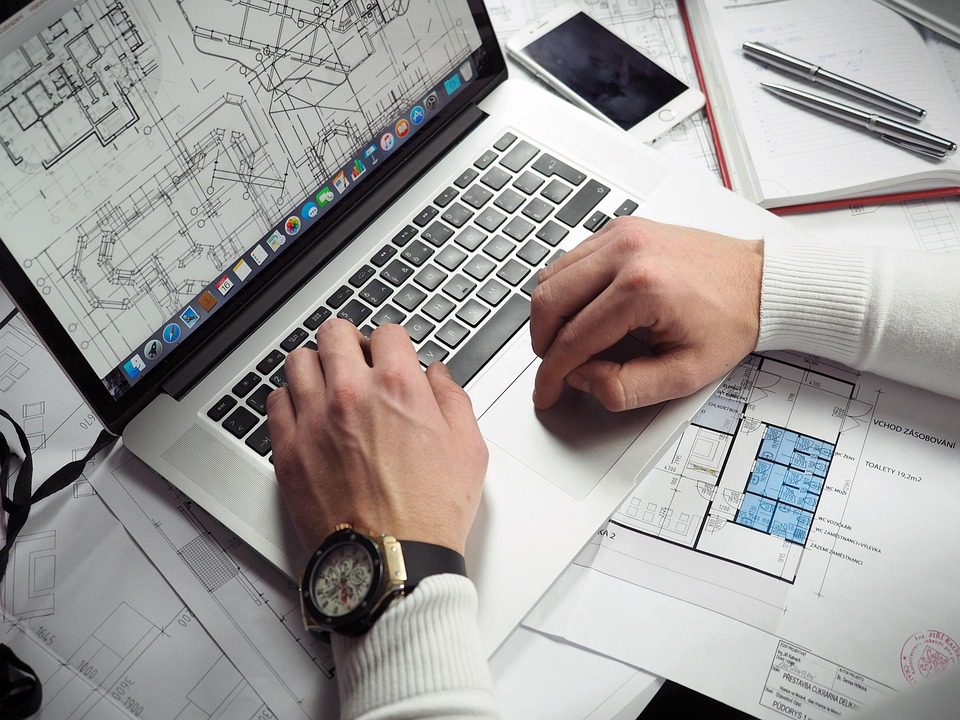




Establish a Clear Project Scope
Defining the project scope is critical. This means detailing the work that needs to be completed and ensuring all stakeholders are on the same page. A well-outlined project scope prevents scope creep and helps in maintaining control over costs and timelines.
Example: Consider a mid-sized bridge construction project. The scope should clearly define the materials to be used, the design specifications, and the environmental considerations. If the scope isn’t correct, teams might make assumptions that lead to budget overruns.
Develop a Detailed Project Schedule
A project schedule acts as a roadmap, detailing when tasks are to be executed. Tools like Gantt charts can visualize timelines and task dependencies.
In one of my recent projects, we used Microsoft Project to plan a retail store build-out. Each task was prioritized, and we included buffers for potential delays. This helped us stay on track despite some unexpected weather events.
| Task | Planned Start | Planned End | Actual Start | Actual End | Status |
|---|---|---|---|---|---|
| Site Preparation | 01-April | 15-April | 01-April | 14-April | Completed |
| Foundation Work | 16-April | 01-May | 15-April | 01-May | On Track |
| Framing | 02-May | 30-May | 02-May | TBD | Pending |
Budgeting and Cost Control
Keep a tight grip on your finances by establishing a clear budget. Track expenses closely and make adjustments as needed. Use construction project control tools like Procore or PlanGrid to monitor expenses in real-time.
Case Study: In a recent renovation project for a hospital, we projected costs based on previous projects. However, a sudden increase in material prices could have thrown us off budget. By closely monitoring expenditures and negotiating with suppliers, we were able to adjust without significant impact.
Risk Management Plans
Identify potential risks up front. Develop a risk management plan that outlines how to mitigate these risks. This plan should be reviewed throughout the project lifecycle.
When working on a school construction project, we identified adverse weather as a potential risk. By scheduling important tasks in a way that avoided winter months, we minimized that risk impact.
Communication is Key 🔑
Establishing a communication plan ensures all stakeholders are kept in the loop. Use tools like Slack or Microsoft Teams for immediate communication. Regular meetings also help in discussing progress and challenges.
Real-World Example: During a residential building project, our weekly meetings allowed us to spot a misunderstanding around a design feature. Addressing it early on saved us both time and money, avoiding costly rework.
Implement Quality Control Measures
Instilling quality control processes helps ensure work meets project standards. Regular inspections and audits should be integrated into your project timeline.
Example: For a highway construction project, we set checkpoints after every phase of work. This allowed us to catch errors sooner rather than later, thus saving on costly fixes.
| Quality Control Check | Scheduled Date | Outcome |
|---|---|---|
| Foundation Inspection | 15-May | Passed |
| Framing Inspection | 01-June | Passed |
| Final Build Inspection | 30-June | Pending |
Utilize Technology and Tools
Today’s technology can aid in effective project control. Use project control software like Primavera or ConstructionOnline to streamline tracking.
Implement AI tools for predictive analytics. These services can help you foresee potential problems and offer solutions.
Services to Explore:
- Construction Project Control Services
- Construction Project Control Tools
- AI Services for Project Control
Document Everything ✍️
Proper documentation keeps a clear record of decisions, changes, and communication. It can protect your team legally and aid in future project evaluations.
Example: During a commercial build, we made it a point to document every change order. This not only helped us manage our budget but also clarified responsibilities if issues arose.
Performance Monitoring
Track KPIs to evaluate the project’s performance effectively. Key metrics might include budget adherence, timeline completion, and quality standards.
Example: For a building project, we monitored the cost per square foot as a key performance indicator. This helps in benchmarking against industry standards.
Continuous Improvement
Review and assess the project processes regularly. Gather feedback from all involved parties at each project phase to identify areas for improvement.
Conclusion
The successful implementation of construction project controls requires clear planning, effective communication, and the right tools. Emphasizing risk management and quality assurance can transform the outcome of your projects.
FAQs
What are construction project controls?
Construction project controls involve processes and measures to monitor and manage the various aspects of a construction project, including cost, time, and quality.
Why is project control important?
Effective project control is vital for ensuring projects are completed on time, within budget, and to the desired quality standards.
What tools can help with project controls?
Tools like Procore, Primavera, and Microsoft Project are excellent choices. You can also integrate AI-driven tools to enhance predictive analytics.
How can I ensure my project stays on schedule?
Establish a detailed project schedule, adjust tasks as needed, and conduct regular progress meetings to ensure you’re on track.
Is risk management necessary in construction?
Yes, identifying and managing risks can prevent significant issues down the line, ensuring smoother project execution.
For more insights into project controls, check these tools and related services! 🏗️