

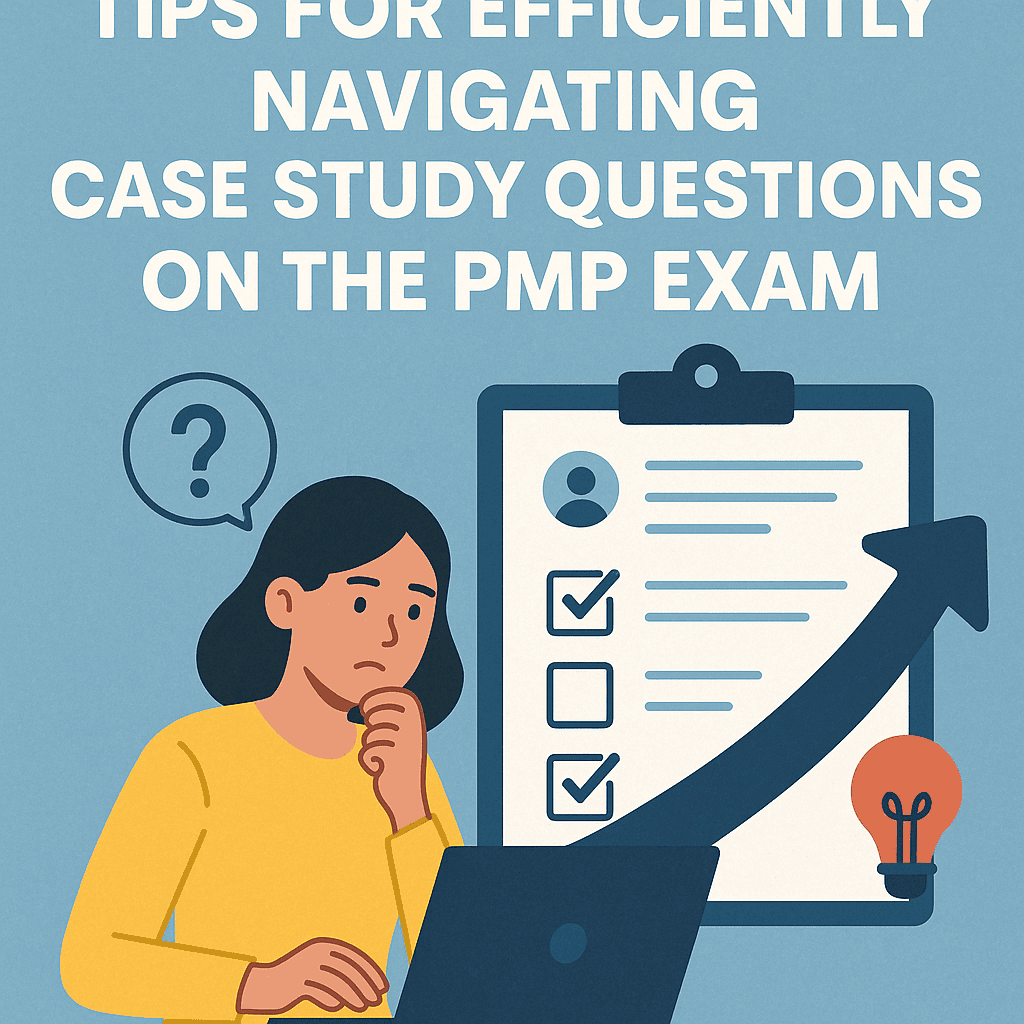
Navigating case study questions on the PMP exam can be quite a journey, but with the right strategies, you can tackle them effectively. Let’s dive into some practical tips and examples that will help you approach these questions with confidence!
Understanding the Case Study Format
Case studies on the PMP exam often present a detailed scenario involving a project management situation. You’ll need to analyze the provided information and make decisions based on the PMBOK guidelines, principles, and your knowledge of project management.
Key Strategies for Effective Navigation
-
Read the Case Study Thoroughly
- Take your time to read through the entire scenario provided. Identify the key players, the project’s objectives, and any challenges presented.
- Example: Imagine you’re given a scenario about a construction project facing delays due to weather conditions. Note details about timelines, stakeholder expectations, and how these factors play into project success.
-
Highlight Important Facts
- As you read, underline or highlight significant parts of the text. This might include project goals, team dynamics, and constraints.
- Case Study Example: If the case notes that the budget is critical but the team is under pressure to meet deadlines, stress those points. They will help guide your decisions when answering questions.
-
Identify the Stakeholders’ Needs
- Stakeholders often have different interests. Understanding these can help steer you toward the correct answers.
- Interactive Element: Take a moment and jot down the stakeholders involved in a case study scenario you just read. What are their goals? How do they influence the project’s direction?
-
Use the Process Groups and Knowledge Areas
- Frame your understanding of the scenario using the five process groups (Initiating, Planning, Executing, Monitoring & Controlling, and Closing) and the ten knowledge areas from the PMBOK.
- Example in Action: For a scenario about risk management, determine at which stage of the project lifecycle the risks should be identified and managed.
-
Practice Time Management
- The PMP exam is time-sensitive. Allocate specific time to read case studies and answer questions, aiming to keep questions answered within a set period.
- Tip: Practice with a timer! Set aside 20 minutes to read a case and answer the associated questions.
-
Formulate Your Answers Clearly
- When providing your answers to case study questions, be comprehensive but succinct.
- Example Format: If asked, “How should the project manager respond to the stakeholder’s concerns about the timeline?” you could structure your answer like this:
- Assess the concerns.
- Consider impacts on the project.
- Propose a revised plan that includes additional resources.
Sample Case Study Analysis
Scenario: A software development team is falling behind schedule due to unexpected technical hurdles. The project manager must figure out how to keep the project on track without compromising the quality of the deliverable.
Question: What should the project manager do first to address the issue?
-
Your Thought Process:
- Identify the primary challenge (technical hurdles).
- Determine the implication (potential delays affecting quality).
-
Recommended Answer:
- Conduct an immediate team meeting to assess the technical issues, determine whether additional resources (like hiring freelance developers) are needed, and formulate a revised timeline.
Utilizing Tools and Resources
To enhance your preparation, consider using various PMP exam tools and services available online. Websites like PMTraining and Rita Mulcahy’s PMP Exam Prep provide excellent practice questions and study materials.
Case Study Scenario Table
| Scenario | Key Challenge | Proposed Solution |
|---|---|---|
| Software Development Delays | Technical hurdles causing delays | Conduct a team assessment on issues |
| Construction Project Over Budget | Resource mismanagement | Revise the budget and reallocate resources |
| Marketing Campaign Underperforming | Stakeholder push for immediate results | Align project goals with stakeholder expectations |
Frequently Asked Questions (FAQs)
What is the best way to study case studies for the PMP exam?
Studying case studies involves practicing with examples from reliable PMP study guides, understanding every detail, and discussing them with study groups.
How many case study questions are on the PMP exam?
Typically, the PMP exam includes several case study-style questions, often accounting for a significant portion of the test.
What if I can’t recall certain PMBOK concepts during the exam?
Stay calm and rely on your understanding of project management principles. Analyze the scenario with what you know about stakeholder management and risk assessment.
Are there specific PMP exam prep tools you recommend?
Absolutely! Use platforms like PM PrepCast for practice exams and scene simulations. Also, don’t miss Simplilearn for other training resources.
Final Encouragement
As you prepare for the PMP exam, remember that navigating case study questions requires patience, practice, and clarity. Keep the strategies mentioned in mind, remain positive, and approach each question as an opportunity to showcase your project management expertise. You’ve got this! 🎉
Good luck, and remember to leverage the resources available to you for top-notch preparation!