

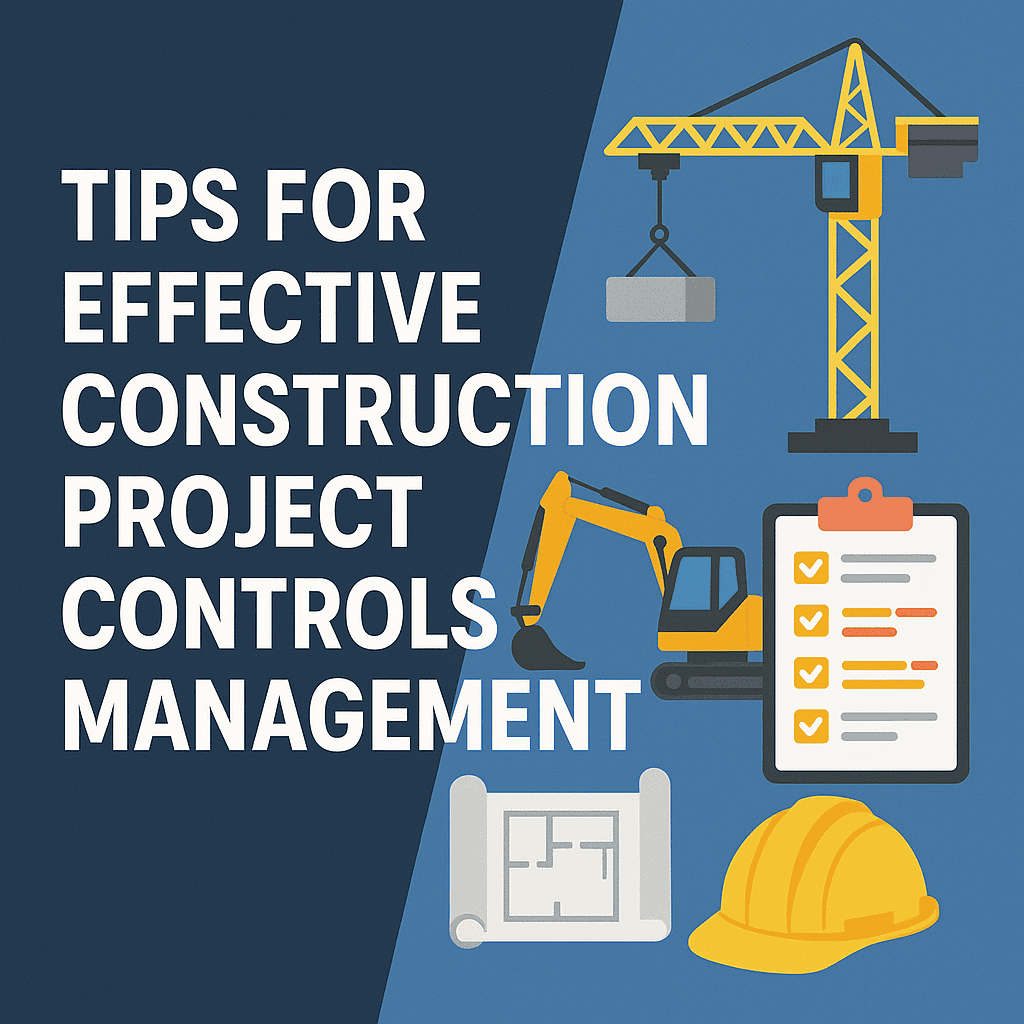
Effective construction project controls management is crucial to the success of any project in the built environment. It involves a systematic approach to tracking progress, managing finances, and ensuring quality. Here’s an engaging overview of how you can enhance your construction project controls management and some real-world examples to illustrate key points.
Understanding Project Controls
Project controls encompass the processes used to plan, monitor, and manage project performance. A well-implemented project controls system ensures that each component, from scheduling to cost management, is aligned with project goals. Effective project controls can reduce delays and budget overruns, creating a smoother path towards project completion.
Crafting a Solid Plan
One of the pillars of effective project controls is a robust project plan. This plan serves as a roadmap and should include timelines, resources, and financial forecasts. Let’s say you’re managing the construction of a small shopping center. Your project plan might include timelines for site preparation, foundation work, and the installation of utilities.
| Task | Start Date | End Date | Resources Needed |
|---|---|---|---|
| Site Preparation | Day 1 | Day 10 | Excavators, Surveyors |
| Foundation Installation | Day 11 | Day 30 | Concrete, Laborers |
| Utility Installation | Day 31 | Day 50 | Plumbers, Electricians |
Creating detailed schedules like this helps anticipate challenges and allocate resources efficiently.
Real-Time Monitoring and Reporting
Consistency in real-time monitoring is essential. Using construction management software can simplify this process. For instance, tools such as Procore or PlanGrid can track work progress and send automatic updates to team members. This capability enables us to catch potential issues early.
Imagine a scenario where the concrete pouring is lagging. If you notice this the moment it happens, you can shift labor resources to get back on schedule before it affects the next phase of the project.
Case Study: Delayed Foundation Work
Meet Sarah, a project manager overseeing the construction of a large residential complex. On day 25, she notices that foundation work is behind schedule due to unexpected rainfall. Using her construction management software, she reallocates resources, bringing in additional labor to complete the task. By day 30, not only is the foundation complete, but Sarah has also managed to keep the overall project timeline intact. 🌟
Cost Management and Budgeting
Understanding your budget is equally vital. Use budgeting tools to create detailed financial forecasts and continuously compare actual costs against planned expenditures. Tracking expenses in real-time prevents surprises down the line.
Let’s suppose your initial budget for the shopping center’s foundation is $200,000. By using a project cost management tool, you find out you’ve spent $220,000 due to unexpected material costs. By diagnosing this early, you can investigate and adjust where necessary—maybe reducing costs in landscaping to balance the budget.
| Expense Category | Budgeted Amount | Actual Amount | Variance |
|---|---|---|---|
| Foundation Work | $200,000 | $220,000 | $20,000 (Over) |
| Landscaping | $50,000 | $40,000 | $10,000 (Under) |
| Utilities Installation | $100,000 | $90,000 | $10,000 (Under) |
Risk Management
Risk management is a proactive way to ensure project success. By identifying potential risks early, you can develop mitigation strategies. For example, if there’s a risk of material shortages, you might secure multiple suppliers upfront.
Example: Navigating Supply Chain Issues
John is program director for a construction firm that specializes in high-rise buildings. He proactively identifies that certain steel supplies might be limited due to global shipping issues. After sourcing alternate suppliers, he manages to keep the project’s schedule intact, mitigating significant delays. 🔄
Effective Communication
A consistent communication strategy is vital. Regular meetings with stakeholders, updates through platforms like Slack or Microsoft Teams, and visual dashboards for tracking progress foster a culture of transparency.
Weekly Check-In Example:
| Date | Agenda | Attendees | Notes |
|---|---|---|---|
| Week 1 | Review Project Schedule | Project Manager, Team Leads | On track |
| Week 2 | Budget Review | Finance Team, Project Manager | Minor variances noted |
| Week 3 | Risk Assessment | All Stakeholders | New risks identified |
Utilizing Technology in Controls Management
Technology is your best friend when it comes to project controls. From scheduling apps to budget tracking tools, the right software can streamline your processes.
For example, integrating BIM (Building Information Modeling) early in your project can help visualize challenges and inform your decisions effectively.
Recommended Tools:
- Procore: A robust construction management platform covering project controls.
- PlanGrid: Great for real-time updates on project status and documentation.
Conclusion
Effective construction project controls management isn’t just about tracking progress or costs. It involves a holistic approach that includes planning, real-time monitoring, communication, and technology usage to mitigate risks and adapt to changing circumstances. The journey from an idea to a completed project is not only possible but can also be smooth with effective controls in place.
FAQs
Q: What is the primary goal of project controls?
A: The primary goal is to ensure projects are completed on time, within budget, and to the required quality standards.
Q: How often should project controls be reviewed?
A: Regular weekly or bi-weekly reviews are standard to ensure objectives are being met and adjustments can be made promptly.
Q: What are the best tools for project controls management?
A: Tools like Procore and PlanGrid are highly recommended for their comprehensive features covering various aspects of project management.
Q: Can I implement project controls without dedicated software?
A: Yes, while dedicated software streamlines the process, project controls can also be managed using spreadsheets and manual processes, although it may be less efficient.
Effective project controls management can undoubtedly elevate your project execution, ensuring that goals are met successfully! 🏗️✨