

When it comes to construction project management, effective project controls are the backbone to achieving successful outcomes. A well-structured project control system can help ensure that a project stays on track concerning time, cost, and quality. This article will explore actionable strategies that you can implement to enhance your construction project controls.
Define Your KPIs Clearly
Setting key performance indicators (KPIs) is crucial in measuring the success of your project controls. These should be specific, measurable, achievable, relevant, and time-bound (SMART). For instance, if you’re managing a residential building project, a KPI may be the total cost per square foot or the number of workdays lost due to delays.
To illustrate, let’s take a look at a simple table comparing different KPIs:
| KPI Category | Example KPI | Measurement Frequency | Target Value |
|---|---|---|---|
| Cost | Total Cost/SF | Weekly | $150/SF |
| Schedule | % of Milestones Met | Bi-weekly | 90% |
| Quality | Defect Rate | Monthly | < 2% |
| Safety | Incident Rate | Weekly | 0 Fatalities |
Utilize Technology
In the digital age, leveraging technology can substantially streamline project control processes. Several tools can help you manage project data, schedules, and resources more efficiently.
Example Tools:
- Construction Project Control Services: Platforms like Procore or CoConstruct can assist in managing budgets and schedules smoothly.
- AI-Driven Solutions: Tools like PlanGrid and Autodesk can utilize AI to forecast project risks and enhance workflows.
Using a centralized project management dashboard makes it easier to access real-time data. For instance, if your site is falling behind schedule due to bad weather, an immediate update from your dashboard can help you pivot quickly.
Implement a Risk Management Plan
Proactively identifying risks and having a well-defined response plan is crucial for successful project controls. Regular risk assessments, conducted at key project milestones, can help identify areas that may hinder progress.
Case Study: A Pipeline Project
In a recent pipeline project I managed, we identified a potential risk related to local regulations. Instead of waiting for issues to arise, we scheduled regular check-ins with local authorities to ensure compliance was being met.
Our predefined action items included:
- Regulatory review every quarter
- Communication protocols with local agencies
This not only saved time but also reduced costs associated with project delays.
Foster Team Collaboration
Encourage better collaboration through regular meetings and open communication channels. Utilize collaborative tools such as Slack or Microsoft Teams, where team members can share updates instantly. Setting weekly or bi-weekly meetings can ensure alignment across teams, leading to informed decision-making.
Sample Weekly Update Format
| Team Member | Status | Challenges | Next Steps |
|---|---|---|---|
| John (Site Manager) | Progress 70% complete | Weather Delays | Request more workers |
| Sarah (QA Lead) | 10 Defects Identified | Awaiting Info from Design | Follow-up with design team |
| Mike (Budget Officer) | $5k under-budget | Needs more forecasts | Align with procurement |
Regular Audits and Reviews
After each project milestone, conducting audits can help give insight into areas for improvement. Questions to consider include:
- Were we on budget?
- Were timelines met?
- What were our major risks, and how were they handled?
In the build-out of a commercial site, we realized through our audits that delays were often related to miscommunication among subcontractors. As a result, we implemented a shared scheduling tool to unify timelines and assign accountability.
Enhance Reporting Mechanisms
Reporting mechanisms should be robust and transparent. Ensure that reports not only include data but also analysis and interpretations. A simple Excel sheet can be used to create visual insights that help articulate the project’s status clearly.
Reporting Sample Format
| Metric | Current Status | Analysis | Action Needed |
|---|---|---|---|
| Project Budget | $100k spent of $500k | On-target | Continue monitoring |
| Schedule Milestones | 75% achieved | Behind by 10 days | Adjust resources |
| Safety Incidents | 2 incidents reported | Acceptable | Increase training sessions |
Continuous Training and Development
Continuous training for project managers and team members can enhance project controls dramatically. Workshops that focus on project management methodologies such as Agile or Lean can greatly improve adaptability and efficiency.
In a construction project that involved a high amount of prefabricated materials, we implemented Lean techniques. By ensuring that every team member understood the workflow, we saw a 20% efficiency increase.
Emphasizing Stakeholder Engagement
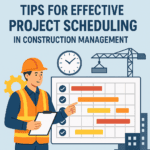
Regular updates to stakeholders ensure that they remain informed and engaged throughout the project lifecycle. Using visual tools such as Gantt charts or project timelines can help communicate progress effectively.
For example, share a Gantt chart during stakeholder meetings to provide a visual representation of deadlines and responsibilities. This engagement not only builds trust but also invites constructive feedback.
Conclusion
Enhancing project controls is a continuous journey that requires dedication, adaptability, and strategic use of technology. By focusing on these key areas, you can pave the way for successful project outcomes, keeping your team aligned, projects on track, and stakeholders happy.
FAQs
1. What are project controls?
Project controls are tools and processes used to manage a project’s scope, schedule, and costs effectively to ensure that it meets its goals.
2. How can technology improve project controls?
Technology offers solutions like real-time dashboards and AI-driven forecasting tools that enhance data accessibility and decision-making.
3. Why is risk management important in project controls?
Identifying and managing risks early in the project can prevent delays and additional costs down the line.
4. How often should we conduct project reviews?
Regular reviews, typically at key milestones or every quarter, are essential to monitor progress and make necessary adjustments.
5. Can training improve project outcomes?
Yes, ongoing training helps team members stay updated with the latest industry practices, improving overall project efficiency.
For more in-depth resources on construction project control services, tools, and AI applications, check out Construction Project Control Services, Construction Project Control Tools, Construction Project Control AI Services, and Construction Project Control AI Tools.
By implementing these strategies, you can significantly enhance your construction project controls, ultimately leading to more successful outcomes for your projects. 🎉