


Mastering project planning is essential for successful execution in the fast-paced realm of construction. Whether you’re managing a small renovation or a large infrastructure project, a well-thought-out plan can significantly enhance efficiency, reduce costs, and improve outcomes. Here’s an immersive look into the intricacies of project planning through the eyes of an experienced construction project manager.
Understanding Project Scope
Defining the project scope lays the groundwork for everything that follows. An inadequate or ambiguous scope can lead to project creep, resulting in missed deadlines and budget overruns. Take, for instance, the renovation of a historical building. Here, understanding the architectural limitations and regulatory requirements is crucial to establish a clear scope.
| Advantages of a Clear Project Scope |
|---|
| Reduced Confusion |
| Improved Team Collaboration |
| Easier Progress Tracking |
| Enhanced Client Satisfaction |
Setting Objectives and Goals
Once the scope is established, setting SMART objectives—Specific, Measurable, Achievable, Relevant, and Time-bound—becomes pivotal. For example, if you’re updating a commercial space, your goal might involve increasing foot traffic by 20% within six months post-completion. Setting such a clear target helps the team stay focused and aligned.
Creating a Work Breakdown Structure (WBS)
The next critical step is developing a Work Breakdown Structure, which is a hierarchical decomposition of the total scope of work. Think of the WBS as the backbone of your project. It breaks down the major deliverables into smaller, manageable components, facilitating resource allocation and task assignment.
Here’s a simple example of a WBS for a site renovation project:
- Project Initiation
1.1 Stakeholder Identification
1.2 Budget Approval - Site Preparation
2.1 Demolition
2.2 Waste Removal - Construction Phase
3.1 Foundation Work
3.2 Framing
3.3 Electrical Installation - Finishing Touches
4.1 Painting
4.2 Landscaping
Resource Allocation and Budgeting
Effective resource allocation is paramount to ensure that every aspect of the project runs smoothly. This means assigning the right people, materials, and timelines to each component of the WBS. Additionally, managing a budget requires a comprehensive understanding of costs.
Consider this comparison table to offer insights into various budgeting strategies:
| Budgeting Method | Advantages | Disadvantages |
|---|---|---|
| Line-Item Budgeting | Clear expense tracking | Can be overly rigid |
| Program Planning Budgeting | Focuses on total project objectives | Requires detailed knowledge of program goals |
| Zero-Based Budgeting | Justifies all expenses from scratch | Time-consuming and complex |
A case study illustrating the importance of effective budgeting is that of a mixed-use development project, which experienced a 15% cost overruns due to unforeseen excavation issues. Had there been a contingency plan in place, these costs could have been mitigated.
Developing a Schedule
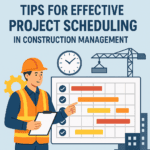
With resources and budget in hand, developing a project schedule is next. This is where tools like Gantt charts can be incredibly beneficial. Visualizing tasks against a timeline not only clarifies deadlines but helps manage dependencies between tasks.
Dynamic scheduling tools like Microsoft Project and Smartsheet can automate this process and provide real-time updates, making project management far more efficient.
Risk Management Planning
Every construction project faces risks, whether they are related to weather, supply chain issues, or safety concerns. A robust risk management plan identifies potential risks early and outlines strategies for mitigation.
For example, a planning manager on a residential project might identify winter weather as a risk. Planning to have indoor work scheduled during these months can help minimize delays.
Here’s a simple risk assessment table:
| Risk Description | Likelihood | Impact | Mitigation Strategy |
|---|---|---|---|
| Severe Weather | Medium | High | Schedule work accordingly |
| Supply Chain Delays | High | Medium | Build relationships with multiple suppliers |
| Safety Violations | Low | High | Robust training and enforcement |
Communication Plan
An effective communication strategy is essential. Utilizing platforms like Asana or Trello helps keep all team members in the loop. Regular updates, meetings, and checkpoints ensure that everyone is aligned and any concerns are addressed promptly.
Execution and Monitoring
As the project kicks off, execution happens based on the meticulously designed plan. Regular monitoring is critical in this phase. Utilizing tools like PlanGrid allows for real-time updates and feedback, ensuring that any deviations from the plan can be addressed swiftly. This prevents small issues from escalating into larger problems.
Lessons Learned and Project Closure
Finally, wrapping up the project should include a thorough review of what went well and what lessons could be applied to future projects. Creating a ‘lessons learned’ document fosters continuous improvement within the team.
Conclusion
Mastering project planning isn’t just about having the right tools; it involves a deep understanding of scope, objectives, risk management, and communication. The strategies and tools presented in this guide provide a robust foundation for planning and executing successful construction projects. By honing these skills, project managers can lead their teams to achieve remarkable results. 🏗️✨
FAQs
Q1: What is the most important element in project planning?
A1: The most crucial element is a well-defined project scope. Without it, the project can easily go off track.
Q2: How do I handle project changes?
A2: Establish a change management process that allows flexibility while adhering to the project goals.
Q3: Which tools are best for project monitoring?
A3: Tools like Microsoft Project, PlanGrid, and Asana are excellent for tracking progress and facilitating communication.
Q4: How can AI be integrated into construction project management?
A4: AI can be employed to analyze data, predict project risks, and automate scheduling, improving overall efficiency. Check out AI Construction Services for more info.
By focusing on these essential aspects of project planning and execution, you can significantly enhance your productivity and success rate. For further insights on construction management, explore resources like Construction Project Management Services and top-notch tools that best suit your project needs.