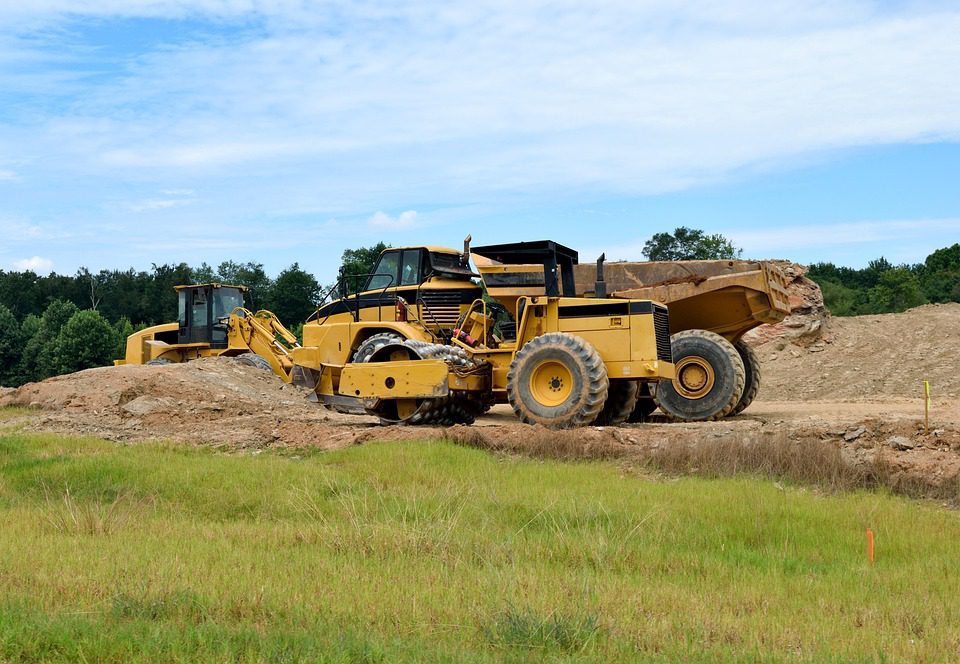





Optimizing resource allocation in construction project management is crucial for the successful execution of projects. Whether you are managing small renovations or large-scale constructions, effective management of resources such as manpower, materials, and equipment can significantly impact project timelines and budgets.
To achieve optimal resource allocation, adopt a structured approach that includes understanding your project needs, utilizing software tools, promoting communication, and continuously adapting to changes. Let’s dive into some concrete strategies to enhance your resource allocation practices.
1. Assess Project Requirements
Understanding the specific requirements of your project is essential. Before diving into resource allocation, define the scope, objectives, and timelines clearly. This comprehensive understanding helps in identifying which resources are necessary and how much of each is required.
Consider creating a resource breakdown structure (RBS) to categorize all the required resources systematically.
Example:
| Resource Type | Description | Quantity |
|---|---|---|
| Labor | Skilled workers (e.g., electricians) | 10 |
| Materials | Concrete, bricks, etc. | 2000 sqft |
| Equipment | Excavators, cranes | 2 |
2. Use Project Management Software
Leveraging project management tools can simplify the process of resource allocation significantly. Tools like Procore, PlanGrid, or Trimble allow for real-time tracking of resources and help manage schedules effectively.
Benefits of Using Software:
| Feature | Benefit |
|---|---|
| Real-time Collaboration | All stakeholders can stay updated |
| Resource Tracking | Identify underutilized resources |
| Scheduling Integration | Optimize timelines based on resource availability |
Imagine being able to visualize your entire project on a dashboard, where you can quickly adjust resource allocations based on real-time data!
3. Promote Communication Among Teams
Open lines of communication between teams can drastically improve efficiency. When everyone is on the same page regarding resource needs and allocations, it allows for better cooperation and timely adjustments.
Regular meetings or updates can help align teams and ensure everyone understands their roles and the resources at their disposal.
Case Study: Streamlined Communication at XYZ Construction
At XYZ Construction, the project manager initiated daily stand-up meetings where site supervisors shared immediate resource needs. This approach led to a 15% reduction in resource wastage over three months due to timely adjustments in allocations.
4. Monitor and Adjust Resources Continuously
The construction environment is inherently dynamic, with unpredictable changes often occurring. Keeping an eye on ongoing project performance and being ready to adjust resources as needed can bear significant benefits.
Utilize dashboards that show current resource status and highlight any shortages or overruns. With your project management software, make it easy to reallocate resources without disrupting the workflow.
5. Implement Lean Construction Principles
Adopting lean principles in construction helps minimize waste and maximize value. This approach focuses on continuous improvement and can lead to better resource utilization.
Example of Lean Principles in Action:
| Lean Principle | Application |
|---|---|
| Value Stream Mapping | Identify non-value-added activities |
| Just-in-Time Delivery | Reduce material storage needs |
| Continuous Improvement | Adapt processes for better efficiency |
By implementing these principles, some projects have reported up to a 30% reduction in material costs and improved overall project delivery timelines.
6. Optimize Resource Allocation with AI Tools
Emerging AI tools in construction project management can enhance decision-making capabilities. These tools can analyze historical data, predict future needs, and suggest optimal resource allocations.
Example of an AI Tool:
PlanGrid AI helps track labor productivity levels and can forecast the resources necessary for upcoming phases of a project. This ensures that you are always prepared and can reduce downtime.
Conclusion
Optimizing resource allocation in construction project management is an ongoing task that requires attention, planning, and flexibility. Use robust project management tools, foster communication, and continuously monitor your resources to ensure that your projects are executed efficiently.
Remember, every project and team may require a unique approach, so be open to adapting your strategies and utilizing new technologies to enhance your resource allocation efforts. The goal is to complete your projects on time, within budget, and with minimal waste.
FAQs
1. What are the main resources to manage in construction?
Main resources include labor, materials, equipment, and financial resources.
2. How can project management software help with resource allocation?
It can provide real-time tracking, scheduling integration, and improve communication among teams.
3. What practices can help in reducing waste of resources?
Implementing lean construction principles and continuously monitoring resource usage can help reduce waste.
4. Can AI tools really make a difference in resource allocation?
Yes, AI tools can analyze data and predict future resource needs, allowing for better planning and optimization of resources.
5. Why is communication important in resource allocation?
Effective communication ensures all stakeholders are aligned and can quickly adapt to any changes in resource needs.
For more details on construction project management tools, check out the following resources:
- Project Management Services
- Construction Project Management Tools
- Construction Project Control Services
- AI Construction Services and Tools
Stay proactive and adaptive in your resource management practices, and your projects will thrive! 🚧✨