
Creating an effective construction project management plan (CPM) is crucial for ensuring that projects are completed on time, within budget, and according to specified quality standards. Here’s a step-by-step guide to help you navigate this complex process.
Understand the Project Requirements
The first step in forming a solid CPM is to gather all relevant information about the project. This includes understanding the scope of work, design specifications, budget constraints, and the timeline. Communicate with stakeholders, such as architects, contractors, and clients, to gather comprehensive input.
🛠️ Example: For a commercial building project, you may gather requirements regarding energy efficiency to ensure the design meets expectations while staying within the client’s budget.
Define the Project Scope
Scope definition involves articulating what the project will include and what it will exclude. A well-detailed scope helps avoid scope creep, which can derail timelines and budgets. Write down a clear scope statement and utilize a Work Breakdown Structure (WBS) to visualize the project components.
Table 1: Advantages of Defining Project Scope
| Advantages | Description |
|---|---|
| Clarity | Provides clear guidance for the project team. |
| Accountability | Helps in identifying who is responsible for what. |
| Resource Planning | Aids in estimating time and resource requirements. |
Create a Schedule
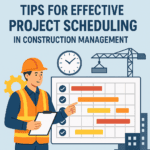
Develop a detailed project schedule that outlines all tasks, milestones, and deadlines. Use tools like Gantt charts for visualization. Break down larger tasks into smaller, manageable activities to facilitate tracking.
Case Study Example: In constructing a new hotel, the CPM created a Gantt chart that showed the overlap of tasks like foundation work and framing. This led to better resource allocation and effective tracking of the project’s progress, reducing delays by 20%.
Budgeting
Outline a detailed budget that includes costs for materials, labor, permits, and unforeseen expenses. Generate a cash flow forecast to ensure sufficient funds at every stage of the project. Continually update the budget as expenses arise.
🤑 Tool Recommendations: Consider utilizing construction project management tools like Procore or Buildertrend to help streamline budget management.
Identify Risk Management Strategies
Risk management in construction is essential. Conduct a risk assessment to identify potential issues such as delays due to weather, budget overruns, or safety violations. Develop strategies to avoid these risks or mitigate their impact.
Table 2: Common Risks and Management Strategies
| Risk | Management Strategy |
|---|---|
| Weather Delays | Schedule buffer days in project timeline. |
| Budget Overruns | Regular budget reviews and adjustments. |
| Labor Shortages | Maintain a list of reliable subcontractors. |
Communication Plan
Effective communication is key to project success. Create a communication plan that outlines who reports to whom, the frequency of meetings, and the channels through which information will flow. Ensure that all stakeholders are kept in the loop.
📞 Tip: Use platforms like Slack or Microsoft Teams for real-time communication.
Implement Quality Control Measures
Establish quality control processes to ensure that all work meets specified requirements. Conduct regular inspections and audits and utilize tools to track quality metrics.
📝 Example: During the construction of a new school building, implementing weekly quality checks led to a reduction in rework by 30%.
Documentation and Reporting
Keep meticulous records of all project documents, communications, and changes. Regular reporting helps you track progress and keeps everyone accountable. Make use of construction management software for efficient document storage and retrieval.
📂 Tool Options: Explore Smartsheet for document management tailored specifically for construction projects.
Evaluate and Adjust
Upon reaching project milestones, evaluate the overall project performance. Gather feedback from team members and stakeholders to see what worked well and what can be improved for future projects.
🔍 Reflection Example: After completing the hotel project, the team held a meeting to discuss challenges faced, leading to improved processes for future endeavors.
Wrap-Up and Continuous Improvement
Once the project is complete, create a final report summarizing achievements, challenges, and lessons learned. Use this report as a basis for future projects to ensure continuous improvement.
🏗️ Conclusion: Managing a construction project is complex and requires careful planning and execution. A well-developed CPM will help ensure that deadlines are met, budgets are adhered to, and quality standards are maintained.
Frequently Asked Questions (FAQs)
Q: What tools can aid in construction project management?
A: Tools like Procore and Buildertrend are excellent for managing various aspects of construction projects, from scheduling to budgeting.
Q: How do I handle project delays?
A: Identify the cause of the delay, communicate with stakeholders, and adjust the schedule accordingly, ensuring you have a contingency plan in place.
Q: What is the importance of a communication plan?
A: A communication plan ensures transparency and helps in managing stakeholder expectations, reducing misunderstandings.
Additional Resources
- Construction Project Management Services: Find Out More Here
- AI Services for Construction Management: Explore AI Tools
- AI Tools for Effective Management: Discover AI Tools
By following these steps, you can develop a robust construction project management plan that not only meets current needs but lays the groundwork for successful future projects. Effective management fosters trust, collaboration, and ultimate project success! 🚧