
Creating a risk management strategy in construction is vital for ensuring the smooth progression of projects. Construction projects have a unique set of challenges, and a well-thought-out risk management approach can significantly reduce unforeseen challenges.
Understand the Risks
The first step is to identify the specific risks tied to your project. These can include:
- Financial Risks: Budget overruns, material costs.
- Technical Risks: Design flaws or construction errors.
- Safety Risks: Accidents on-site, compliance regulations.
- Environmental Risks: Weather conditions, regulatory changes.
Engaging with project stakeholders, such as architects, engineers, and subcontractors, can help you in this risk identification process.
Risk Assessment
Once risks are identified, you need to assess them based on their likelihood and potential impact. Bringing everyone together for a brainstorming session can help in this phase. You could use a risk matrix like the one below:
| Risk | Likelihood (1-5) | Impact (1-5) | Total Score (Likelihood x Impact) | Action Plan |
|---|---|---|---|---|
| Weather Delays | 4 | 3 | 12 | Schedule weather contingencies |
| Labor Shortage | 3 | 4 | 12 | Build a diverse subcontractor list |
| Material Cost | 2 | 5 | 10 | Lock in prices early |
By assigning scores, you can prioritize which risks to focus on.
Develop a Response Plan
For each risk, develop a response plan. For example, if you’re worried about weather delays, consider adding buffer days into your schedule. Here’s a sample response plan for some common risks:
| Risk | Response Strategy | Responsible Party | Timeline |
|---|---|---|---|
| Weather Delay | Add buffer days | Project Manager | During scheduling |
| Labor Shortage | Create partnerships with multiple subcontractors | Human Resources | Before project kickoff |
| Material Cost | Negotiate fixed contracts | Procurement Officer | Initial procurement |
Monitor and Review Risks
Regularly review the risks. Consider setting bi-weekly meetings to discuss the current status of identified risks and uncover new potential threats. The landscape of construction can change daily, so keep communication lines open.
Involve Technology
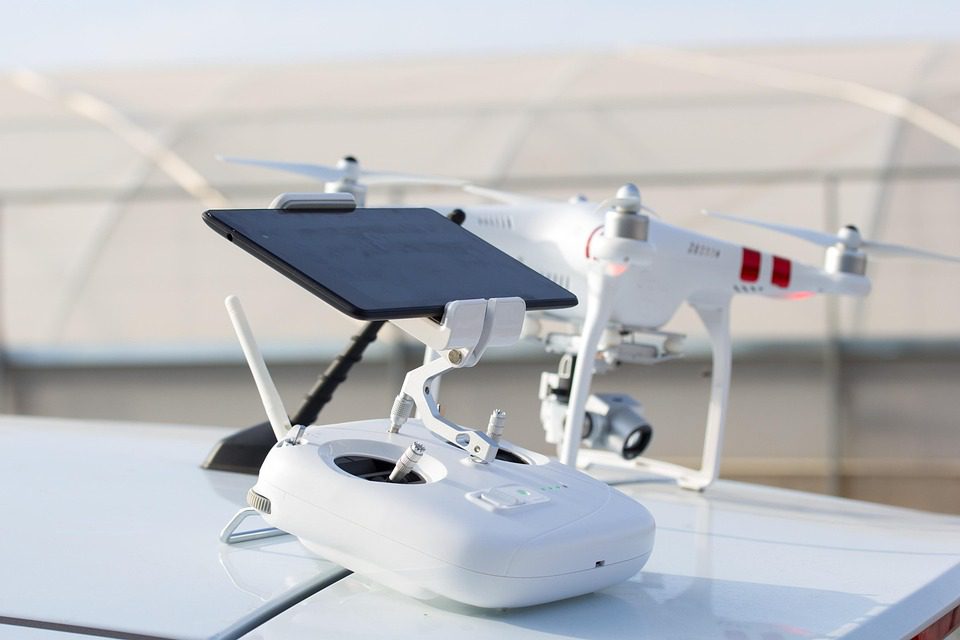
In 2026 and beyond, utilizing modern tools can significantly enhance your risk management strategy. You can consider AI-driven project management tools. These tools help predict risks based on historical data. Here are a few options:
- Procore: A robust construction management software that includes risk management features.
- PlanGrid: Helps in collaboration and communication.
- Uptake: Offers AI-driven insights for risk forecasting.
Embracing these tools can streamline processes. Here’s an example of how one construction firm used software to manage risks:
Case Study: Building Safe Haven Apartments
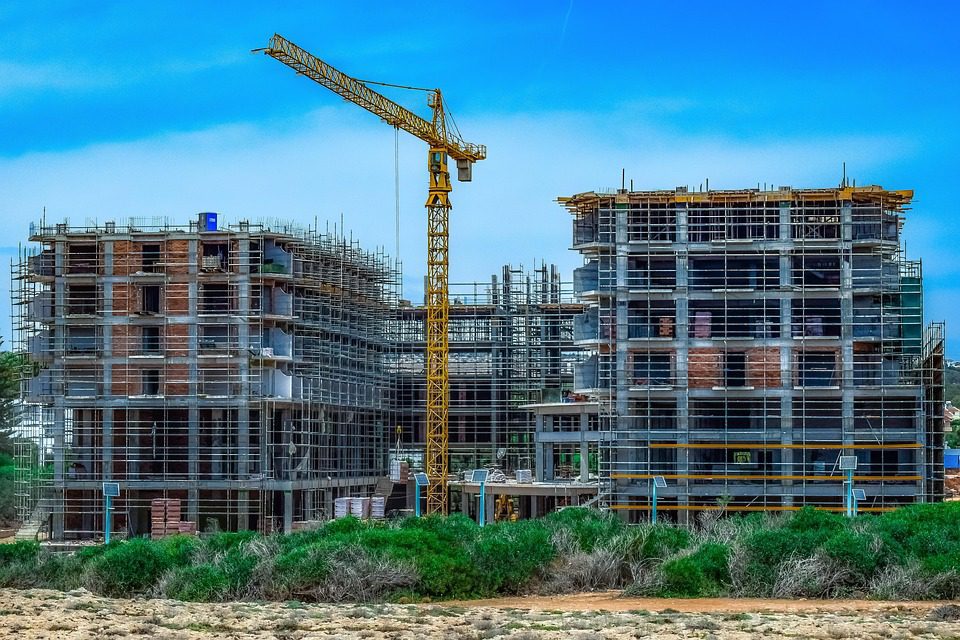
In 2026, a construction firm was tasked with building a large apartment complex. They faced multiple risks, including severe weather and labor shortages. They implemented a strategy using Procore to predict and manage these risks.
Through real-time data monitoring, they identified potential delays in labor availability two weeks before the actual dates. They adjusted their subcontractor strategy swiftly, averting a potential impact on the project’s timeline. As a result, the project was completed on schedule, earning positive feedback from stakeholders.
Communication is Key
Effective communication among all stakeholders is crucial. Regular updates and clarity on responsibility can prevent misunderstandings and missed deadlines. Utilize visual aids and dashboards to keep everyone on the same page. Consider holding weekly briefings to review any new risks and adjustments to strategies.
Training and Awareness
Ensuring that everyone involved in the project understands the risk management strategy enhances the chances of success. Conduct workshops or training sessions to educate team members about the risks identified and their roles in the response plan. Foster a culture of safety and vigilance on-site.
Execute the Plan
Once the strategy is developed and communicated, it’s time to execute the plan. Regularly utilize the tools mentioned to monitor progress and adapt as necessary. Adjust your approach based on real-time insights.
FAQs
Q: What is the most common risk in construction?
A: Labor shortages and unexpected weather conditions are often the most common risks.
Q: How frequently should risks be assessed?
A: It is advisable to assess risks at least bi-weekly to capture any new threats that may develop.
Q: Can technology eliminate construction risks?
A: While technology can help predict and manage risks, it cannot eliminate them entirely. Continuous assessment and adaptation are essential.
Q: What are the benefits of having a risk management strategy?
A: A well-defined strategy helps in minimizing delays, controlling costs, ensuring safety, and enables proactive management.
Final Thoughts
Developing a risk management strategy in construction is an ongoing process. It requires careful planning, monitoring, and dedication from all project stakeholders. By identifying risks, developing response plans, and utilizing technological tools, you can navigate the complex world of construction more effectively.
For more resources and management services in construction, check out Construction Project Management Services and explore various Construction Management Tools available.
🌟 Elevate your Construction Game!
Embrace the power of well-planned risk management and ensure your construction projects stay on track!