
Conducting effective meetings in the construction industry can be the cornerstone of a successful project. Given the complexity and the collaborative nature of construction projects, it’s vital that meetings are productive and focused. Here’s a guide packed with strategies and best practices to optimize your construction meetings.
Set Clear Objectives 🥅
Before any meeting, clarify its purpose. Are you making a decision, solving a problem, or informing the team? For example, if the goal is to finalize the design of an office building, ensure all necessary team members are present, and that everyone understands the mission of the meeting.
Prepare an Agenda 📑
Create and distribute a detailed agenda beforehand. Structuring your agenda with time slots helps keep discussions on track. An example agenda could look like this:
| Time | Topic | Responsible Person |
|---|---|---|
| 10:00 AM | Opening Remarks | Project Manager |
| 10:10 AM | Review of Last Meeting Notes | Site Coordinator |
| 10:30 AM | Safety Discussion | Safety Officer |
| 10:45 AM | Design Changes | Architect |
| 11:00 AM | Q&A Session | All Participants |
| 11:30 AM | Closing Remarks | Project Manager |
By sticking to this format, everyone knows what is expected and the meeting flows smoothly.
Designate a Facilitator 🌟
Having someone lead the meeting is crucial. A project manager or senior team member can drive discussions and keep conversations productive. For instance, if a disagreement arises about material selection, the facilitator can guide the discussion back to the agenda and encourage a quick resolution.
Encourage Participation 👥
Meetings should be inclusive. Send a reminder for team members to come prepared to share updates or ideas. You can foster engagement by going around the room and asking each participant for their input on key topics. This can sometimes unearth innovative solutions that might otherwise be overlooked.
Create a Welcoming Environment 🌼
Team members should feel comfortable sharing their thoughts. Try using icebreakers or casual openers to create a relaxed atmosphere. For example, start with a light conversation about weekend plans or ask about personal milestones. This relieves tension and enhances teamwork.
Use Visual Aids 📊
Visual tools like presentations, progress charts, and performance dashboards can help convey complex information. For example, using Gantt charts can illustrate project timelines effectively. When discussing safety metrics, a chart showing incident rates can illustrate the need for improvements and foster constructive dialogue.
Summarize Discussions 📋
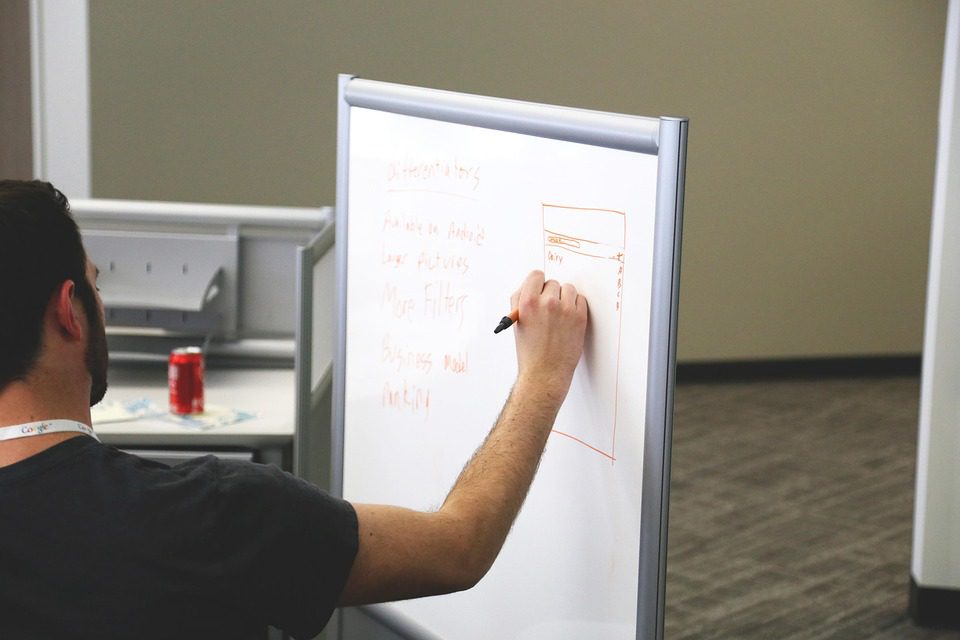
At the end of the meeting, take a moment to recap discussions and reiterate action items. Using a whiteboard to jot down key points can enhance retention. For example:
- Action Item 1: Review design proposals by Friday.
- Action Item 2: Conduct safety training next Thursday.
This ensures everyone leaves with a clear understanding of their responsibilities.
Follow Up 📧
Send out minutes or a summary of the meeting shortly after it concludes. This provides a reference for what was discussed and keeps everyone accountable. Include a timeline for when tasks should be completed. Not only does this keep the team on track, but it also serves as a reminder of commitments made during the meeting.
Incorporate Technology 💻
Utilizing construction project management tools can streamline the meeting process. Here are a few recommended platforms:
- Construction Project Management Software: Centralizes planning and documentation.
- AI Services for Construction Management: Optimizes task allocation and data analysis.
- Digital Collaboration Tools: Enhances communication among project stakeholders.
Choosing the right tool can significantly reduce time wasted in meetings.
Small Case Study: Successful Project Execution
Let’s consider a recent project involving the construction of a multifamily housing unit. Initially, the stakeholders struggled with miscommunication and unclear objectives, leading to delays in the project.
After implementing structured meetings with a clear agenda and facilitated discussions, the project team saw a remarkable improvement in productivity. Misunderstandings diminished, and timeline adherence improved as each member felt more accountable thanks to follow-ups. Within three months, they completed the project ahead of schedule and under budget.
Utilize Emoticons for Clarity 😊
Sometimes, a little levity goes a long way. Use emojis in your notes when appropriate to represent tone or urgency:
- 🚨 for urgent matters
- 💡 for new ideas
- ✅ for completed tasks
These fun symbols can simplify communication and prompt quick responses.
FAQs
Q: How often should construction meetings be held?
A: Ideally, weekly meetings can keep the team aligned, with additional meetings scheduled for urgent issues or decisions.
Q: What if a team member dominates the meeting?
A: The facilitator should gently steer the conversation, encouraging other voices to contribute to ensure a balanced discussion.
Q: How can I measure a meeting’s success?
A: Analyze if objectives were met, track action items on your project management tool, and gather feedback on the meeting structure from participants.
Q: What should be included in meeting minutes?
A: Include the date, attendees, discussion highlights, action items with deadlines, and any important decisions made.
In conclusion, effective meetings in the construction industry require strategy, preparation, and follow-up. By implementing these practices, you can enhance communication and project execution, leading to successful outcomes. For deeper insights into construction project management, explore our services or utilize specialized tools designed to optimize your workflows.