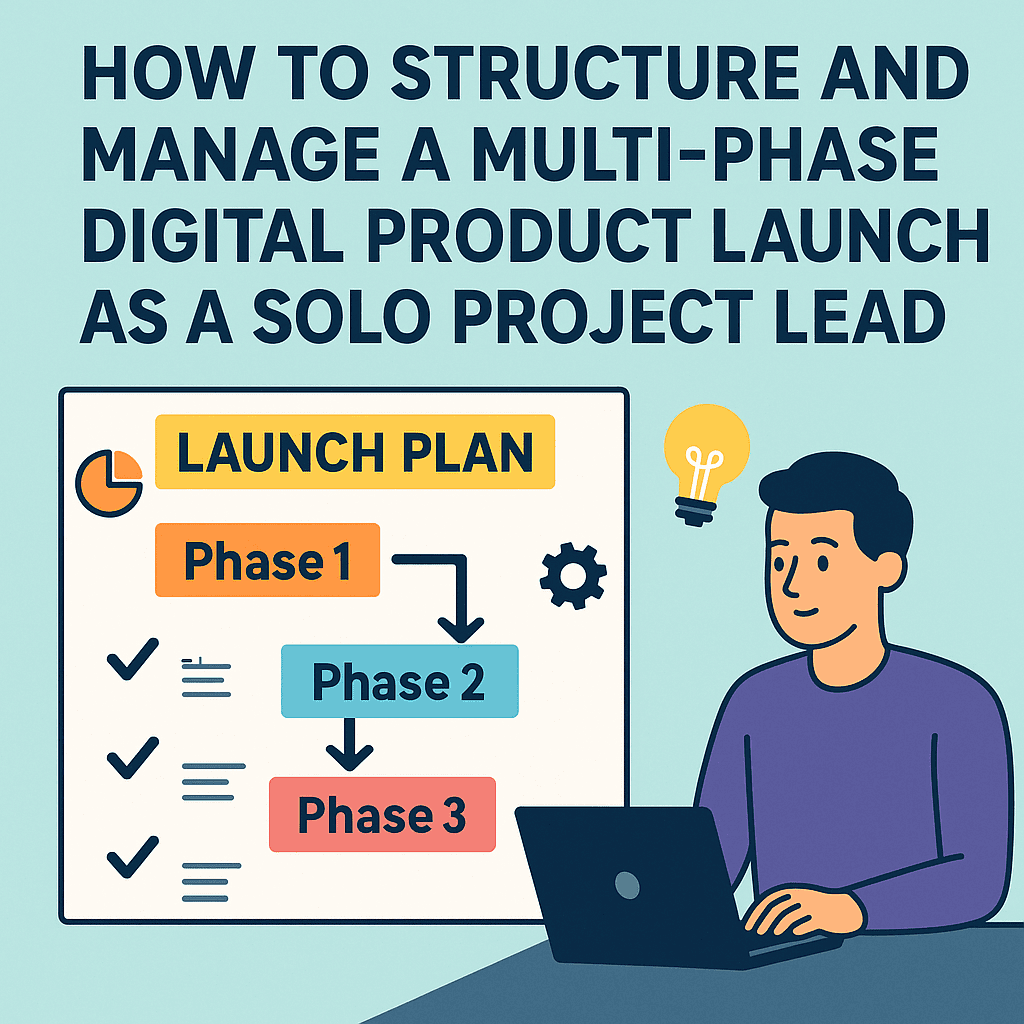



Project planning and scheduling are crucial for successful project completion. As a PMO manager, I’ve navigated many projects, which taught me essential skills to ensure seamless execution. Here’s how you can master these critical components.
Understanding the Basics of Project Planning
Project planning starts with a clear understanding of your project’s objectives. Define the scope, identify stakeholders, and gather requirements. This ensures you’re on the right path from the beginning.
Example: Consider a software development project. Start by defining the primary goal: enhancing user experience through new features. Gather input from users, stakeholders, and the development team to pinpoint their needs.
Creating a Detailed Project Schedule
Once the planning phase is complete, work on creating a robust schedule using tools such as Asana or Trello. These tools help organize tasks, set deadlines, and assign responsibilities.
Here’s an illustration of a sample project schedule:
| Task | Start Date | End Date | Responsibility |
|---|---|---|---|
| Requirement Gathering | March 1 | March 7 | PM & Team |
| Design Phase | March 8 | March 21 | Design Team |
| Development | March 22 | May 15 | Development Team |
| Testing | May 16 | May 31 | QA Team |
| Deployment | June 1 | June 3 | All Teams |
Effective Task Prioritization
Prioritize tasks based on their importance and the time needed to complete them. Use techniques like the Eisenhower Matrix to differentiate between urgent and important tasks.
Case Study Example: In a marketing project, we faced a tight deadline for a product launch. By prioritizing social media campaigns over less urgent tasks, we aligned our efforts for immediate impact.
Resource Allocation
Allocate resources wisely. Assess your team’s strengths and weaknesses. It’s important to match tasks with the right skill sets. For example, if someone excels in graphic design, assign them to design-related tasks.
| Resource | Strengths | Assigned Task |
|---|---|---|
| Alice | Graphic Design | Campaign Materials |
| Bob | Market Research | Target Audience Analysis |
| Charlie | SEO Optimization | Website Ranking Improvement |
Keeping Track of Progress
Track progress using Gantt charts or Kanban boards. You can visualize tasks, dependencies, and overall project health. Regular check-ins, like weekly team meetings, ensure everyone is on the same page.
Using tools like Microsoft Project can help here, providing comprehensive tracking features.
Communication is Key
A frequently overlooked part of project management is communication. Use collaborative tools like Slack for real-time updates and discussions. Schedule regular updates with stakeholders to keep them informed.
Managing Risks
Every project faces risks. Create a risk management plan addressing potential issues before they arise. For instance, if you’re launching new software, the risk of technical bugs can be mitigated by thorough testing phases built into your schedule.
Develop a risk register to document and track identified risks, responsible parties, and mitigation strategies.
Embracing Agile Methodologies
Consider adopting Agile methodologies for flexibility in planning. It allows you to adjust to changes swiftly and promotes continuous improvement. Working in sprints enables the team to focus efforts while allowing for regular feedback.
Example: In a recent e-commerce project, using Agile allowed us to incorporate customer feedback after the first sprint, leading to greater satisfaction with the final product.
Utilizing AI in Project Planning and Scheduling
Dive into the world of AI-driven tools that can optimize your project planning. Platforms like Monday.com and Wrike use AI to help streamline workflows, predict project risks, and enhance collaboration.
Conclusion
Mastering project planning and scheduling is a continuous journey. Incorporate these strategies and tools to ensure seamless project execution.
FAQs
1. What is the most critical element of project planning?
The most critical element is understanding the project’s objectives. Clear, defined goals set the groundwork for the entire project.
2. Which tools can I use for project scheduling?
Tools like Asana and Microsoft Project provide robust features for effective scheduling.
3. How do I handle changes in project scope?
Implement a change management process. Assess the impact of changes on the project schedule and communicate with all stakeholders before making adjustments.
4. Why is risk management important?
Risk management is vital to foresee potential issues and create strategies to mitigate them, ensuring smoother project execution.
5. Can AI improve project planning and scheduling?
Absolutely! AI can help streamline workflows, predict project risks, and enhance real-time collaboration. Explore services like ProjectManager for AI-enhanced features.
Embrace these techniques and watch your project management skills thrive! 😊