

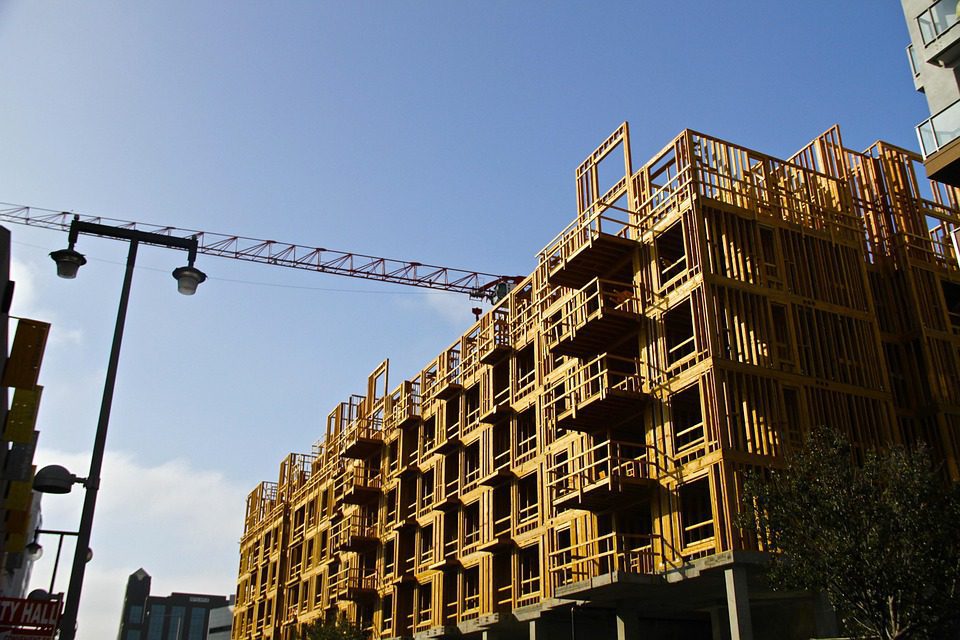
Engaging local communities in construction projects is crucial for fostering goodwill, ensuring smoother project execution, and addressing community concerns effectively. Here’s how to go about it.
Community engagement starts with understanding the community itself; their needs, worries, and aspirations shape how you communicate and plan.
Understand Community Needs
Before any construction begins, it is essential to understand what the community stands for. Every neighborhood has its unique identity and set of values. This requires:
-
Surveys and Interviews: Conduct surveys or hold interviews with community members. Ask open-ended questions to gather insights about what they value the most.
-
Local Meetings: Organize town hall meetings where community members can express their views, concerns, and expectations.
Example: A construction manager for a new residential project in a vibrant urban area organized a series of informal coffee meet-ups at a local café. This effort helped gather genuine feedback and made the locals feel included from the onset. ☕
Transparency is Key
Being open about project plans, timelines, and potential disruptions is vital. Transparency builds trust.
-
Regular Updates: Use newsletters and social media platforms to keep the community informed about milestones, challenges, and changes to the project.
-
Visual Aids: Create visual representations of the construction process, allowing the community to visualize changes over time.
Example: A construction project in a suburban neighborhood created a dedicated project website, featuring regular updates, 3D visuals of the final outcome, and a feedback section which saw significant community involvement. 🌐
Create Partnerships with Local Businesses
Building relationships with local businesses can foster a sense of belonging and mutual benefit.
-
Hiring Locally: Prioritize hiring local subcontractors and laborers. This not only stimulates the local economy but shows community support.
-
Sponsorships: Sponsor local events or initiatives, further embedding the project within community life.
Case Study: In a small town, a construction firm partnered with a local bakery to supply refreshments during community meetings. This effort not only enhanced attendance but also strengthened community ties. 🍰
Address Environmental Concerns
Local communities often have concerns about the environmental impact of construction projects. Address these proactively.
-
Sustainability Practices: Showcase green building practices, such as using eco-friendly materials, minimizing waste, and implementing noise reduction strategies.
-
Community Workshops: Host workshops on sustainability, encouraging community involvement in environmental planning associated with the project.
Comparison Table – Sustainability Benefits
| Practices | Environmental Benefits | Community Benefits |
|---|---|---|
| Green Materials | Reduced carbon footprint | Healthier living environments |
| Waste Management Systems | Less landfill waste | Recycling initiatives and educational programs |
| Community Green Spaces | Enhanced biodiversity | Spaces for recreation and community gathering |
Interactive Feedback Mechanisms
Creating a feedback loop can help in fine-tuning project management and improve community relations.
-
Surveys: Post-construction surveys to gauge the community’s perception of new developments.
-
Feedback Platforms: Implement online platforms or apps where community members can voice concerns or suggestions at any time.
Example: A housing project utilized an app that allowed residents to submit issues directly related to construction, enabling the project team to address them in real-time. 🛠️
Involve Local Schools and Organizations
Engaging with local educational institutions and community organizations creates shared value.
-
Educational Programs: Collaborate with schools to develop educational programs about construction trades, providing students with valuable insights and potentially fostering future careers in construction.
-
Community Projects: Engage local non-profits in community-focused projects, reinforcing the idea that construction projects can have positive societal impacts.
Example: A construction company worked with a local school to create a garden project, helping students learn about plants while beautifying the workspace around the construction site. 🌱
Conflict Resolution Strategies
Conflicts are inevitable, but how you handle them can dictate the success of community engagement.
-
Open Forums: Regularly scheduled open forums provide a safe space for locals to voice disputes and discuss them with the construction team.
-
Mediation: Identify community liaisons who can mediate disputes and maintain communication between residents and the construction team.
Advantages of Open Communication
| Advantages | Impact on Project Completion |
|---|---|
| Builds Trust | Faster problem resolution |
| Reduces Resistance | Easier access to local insights |
| Enhances Project Reputation | Improved community relations |
Celebrate Milestones Together
Celebrate milestones of the construction project with the community.
-
Invite Community Members: Host celebrations or ground-breaking ceremonies that invite community members to share in the journey.
-
Commemorative Acts: Consider creating a community art project—like a mural or monument—that reflects the essence of the community, paralleling the project’s completion.
Example: A recent commercial development celebrated its grand opening by inviting local residents for a special preview, incorporating local art and live performances, dramatically enhancing community engagement. 🎉
Utilizing Modern Technology in Engagement
In the age of technology, the use of digital tools can enhance engagement efforts.
-
Virtual Reality Tours: Use VR to provide a sneak peek of completed projects, allowing community members to ‘walk through’ the spaces before they are built.
-
Social Media Campaigns: Create engagement campaigns where community members can share their thoughts, memories, or aspirations regarding the project.
Conclusion
Effective community engagement in construction projects is a goal that demands commitment, creativity, and above all, genuine interaction. Local communities are more than just stakeholders; they are partners and advocates in the construction journey.
FAQs
Q: How can communities voice their concerns?
A: Communities can voice concerns through surveys, community meetings, and dedicated feedback platforms.
Q: Why is hiring local essential?
A: Hiring locally stimulates the economy and builds goodwill within the community.
Q: What is the best way to keep the community informed?
A: Regular updates via newsletters, social media, and a dedicated project website are effective.
Q: What role do schools play in community engagement?
A: Collaborating with schools can provide educational opportunities for students and create a positive community image.
Q: How do I address conflicts as they arise?
A: Open forums for dialogue and employing mediators can effectively address and resolve conflicts.
For more in-depth construction project management tools and expert services, check out links like construction project management services and AI tools tailored for construction management. These resources can aid in streamlining processes and enhancing community engagement efforts.