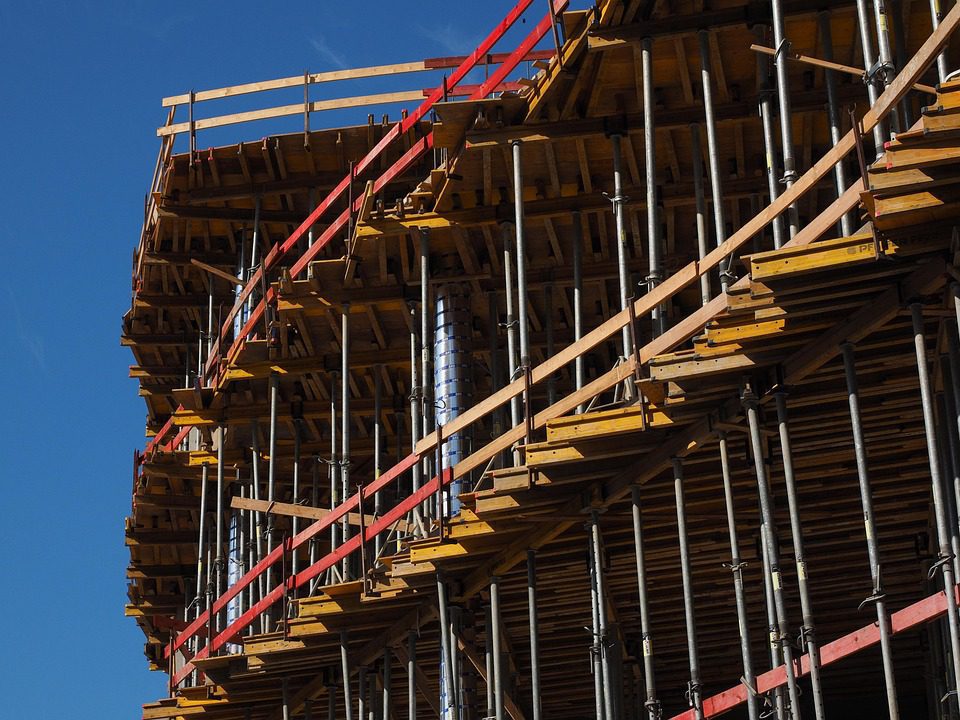



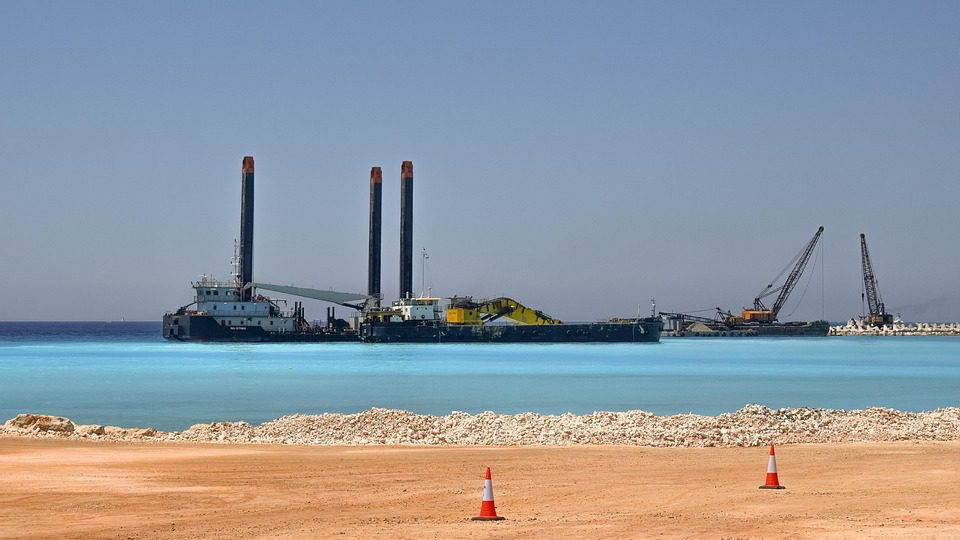
Achieving zero waste in construction is not just a goal, but a necessity for a sustainable future. It’s all about rethinking how we manage materials and resources on-site. Let’s dive into effective strategies to make this happen while ensuring that everyone involved understands their part in the process.
Understanding the Concept of Zero Waste
Zero waste means designing and managing resources so that all products are reused. This philosophy minimizes waste, which means less ends up in landfills and more is recycled or composted. In construction, it involves managing materials meticulously throughout the project lifecycle. 🌍
Example: Take the case of a commercial building project that managed to cut its waste in half by re-evaluating its material sourcing and disposal processes. Instead of sending scraps to landfills, they repurposed materials for other projects, earning recognition in the community.
Detailed Material Management
1. Planning and Design Phase
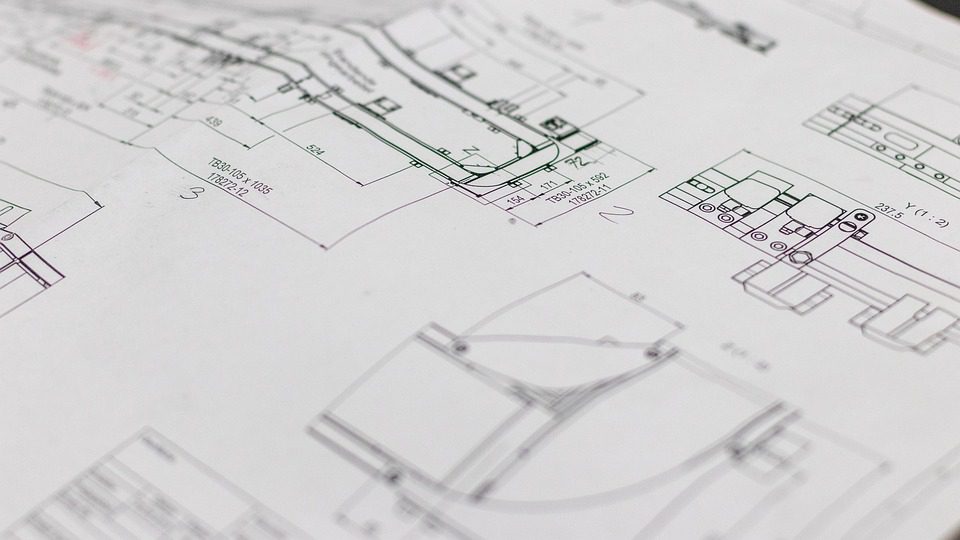
Start with an effective plan. Use Building Information Modeling (BIM) to evaluate how materials can be utilized more efficiently. It offers a visual representation of your project, allowing you to optimize material flow and reduce excess.
2. Source Sustainable Materials
Choose materials that are either recycled or sustainably sourced. Not only do they minimize waste, but they also reduce your project’s carbon footprint.
Material Comparisons:
| Material | Recycled Content | Carbon Footprint Reduction | Reusability Option |
|---|---|---|---|
| Steel | 70% | 30% | High |
| Concrete | 40% | 25% | Medium |
| Wood | 50% | 20% | High |
Efficient Use of Resources
3. Optimizing Material Usage
When constructing, consider using prefabricated components. These are produced in a controlled environment, reducing waste compared to on-site fabrication.
Case Study: A mid-sized residential project switched to prefabricated wall panels. This resulted in a 30% waste reduction on-site. By off-site fabrication, they also minimized labor costs and improved installation speed.
Waste Management Strategies
4. On-Site Waste Sorting and Recycling
Set up designated areas for sorting materials on-site. Educate workers on the importance of separating recyclables from other waste.
5. Partner with Local Recyclers
Identify local recycling facilities before the project begins. Having a partnership ensures that materials are processed correctly and contributes to your zero-waste goal.
Engaging the Team
6. Training and Awareness
Foster a culture of sustainability among your team. Conduct workshops on the importance of zero waste and practical methods to achieve it. Engage workers by giving them responsibility over specific areas of waste management.
Monitoring and Improving
7. Regular Assessment
Evaluate the waste management system frequently. Regular audits can identify gaps or areas requiring improvement. Use tools like construction project management software to track waste metrics.
Software Suggestions:
| Tool | Features | Website |
|---|---|---|
| PlanGrid | Streamlined collaboration | Visit PlanGrid |
| Procore | Comprehensive project management | Visit Procore |
| Autodesk BIM 360 | BIM management | Visit Autodesk BIM 360 |
Community Engagement
8. Collaborate with Local Communities
Involve the community in your projects. Engage them in recycling efforts or educational workshops. This builds goodwill and can create unexpected partnerships that benefit everyone.
Example: Collaborating with local schools to create educational campaigns on sustainable construction can foster community support and minimize misunderstandings.
Embracing Innovation
9. Implementing Technology
Utilize AI and machine learning tools that help predict waste generation. For example, AI can analyze past projects to identify potential pitfalls in material usage.
AI Tools:
| AI Service | Purpose | Website |
|---|---|---|
| BuildAI | Predictive analytics for construction | Visit BuildAI |
| Smart Construction | Real-time data analytics | Visit Smart Construction |
Celebrating Success
10. Recognize Achievements
Celebrate milestones to reinforce the importance of your zero waste goals. Share successes with team members, clients, and the wider community through reports or social media.
Emoji Celebration: 🎉👏
FAQs
Q1: What materials are most commonly wasted in construction?
A1: Materials like wood, drywall, and concrete often contribute to significant waste due to improper estimation and cutting.
Q2: How can I engage subcontractors in zero waste practices?
A2: By incorporating zero waste goals into contracts and holding regular training sessions, subcontractors will feel more connected to the project’s sustainability initiatives.
Q3: Are there financial benefits to achieving zero waste?
A3: Absolutely! Waste reduction leads to cost savings in disposal fees and can also attract environmentally conscious clients.
Q4: How do I handle hazardous wastes?
A4: Work with licensed hazardous waste management companies. Ensuring proper disposal is crucial for safety and regulatory compliance.
Q5: What role does technology play in achieving zero waste?
A5: Technology streamlines processes, enhances material tracking, and provides data for better decision-making.
By adopting a comprehensive approach to achieving zero waste in construction projects, you’ll create not only a sustainable environment but also a successful project. 🌟