


Communication and Collaboration
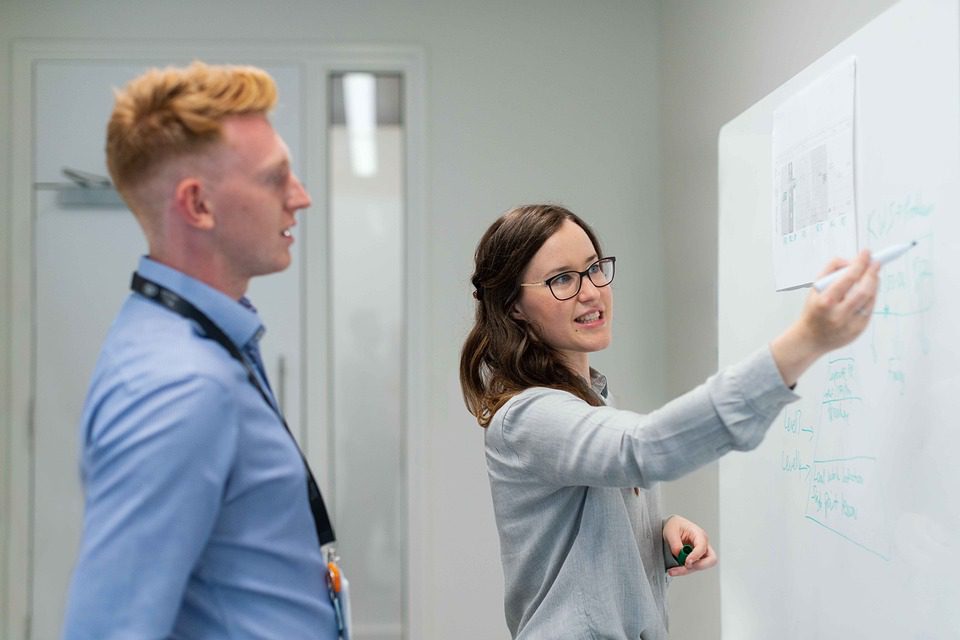
Effective communication is the backbone of successful construction management. Daily briefings and regular check-ins keep the team aligned. Use collaborative tools like Slack or Microsoft Teams to facilitate real-time communication. Establishing a solid communication protocol ensures that everyone involved stays on the same page.
Consider a scenario where a subcontractor delays the delivery of materials. If the project manager doesn’t communicate promptly, it may lead to significant downtime. On the contrary, quick communication allows everyone to adjust their schedules, minimizing delays.
Case Study: The Red Brick Project
In 2026, a mid-sized contractor faced delays in their Red Brick Project due to miscommunication among subcontractors. To tackle the issue, they implemented a daily morning briefing that involved all teams. They also started using project management software, which allowed real-time updates on progress and issues.
By fostering open communication, the Red Brick Project team reduced delays by 30%, demonstrating how collaboration streamlines workflows.
Proper Planning
Meticulous planning is essential to prevent delays. Utilize tools like Gantt charts to lay out the timeline of the project. Break down tasks and set clear deadlines. This provides visibility into each component of the project, ensuring no aspect is overlooked.
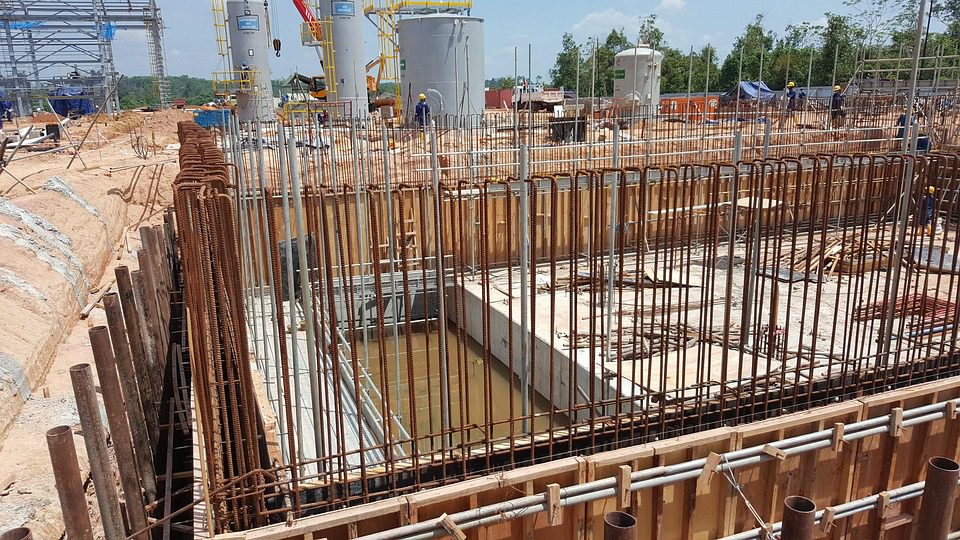
For instance, during the groundwork phase of a project, if the team knows exactly when the concrete will be poured and when inspections must occur, they can coordinate effectively, avoiding conflicts and unplanned setbacks.
Utilizing Technology
Modern construction management heavily relies on technology to enhance efficiency. Use construction project management tools like Procore or Buildertrend to track progress, manage budgets, and communicate effectively. Embracing AI-driven services, such as Autodesk Construction Cloud, can help analyze data for better decision-making.
An example of technology saving time can be seen in a water pipeline project where drones were employed to survey the land. This approach cut down surveying time by 50%, providing crucial data faster than traditional methods.
Human Resource Management
Skilled labor is vital for timely project completion. Invest in continuous training for workers. Well-trained employees work faster and reduce the chance of errors that could cause delays.
Consider a scenario where a carpentry team is familiar with the latest tools and techniques. Their ability to work efficiently can ripple through the project, resulting in timely completion.
Risk Management
Identify potential risks ahead of time and develop contingency plans. This involves regular site evaluations and monitoring for potential hazards. For example, weather patterns can significantly impact construction timelines.
In this context, a construction manager may allocate buffer days in the schedule to account for rainy weather. If there are no delays, this extra time can be utilized for quality checks or further planning, ensuring that the project stays on track.
Budget Management
Ensure that the budget includes allowances for unexpected expenses. In construction, unforeseen circumstances often arise, whether it’s a delay in material delivery or faulty equipment. By allocating a percentage of the budget for emergencies, you can manage the financial aspect more effectively.
Let’s say your project has a total budget of $1 million. If you reserve 10% for unforeseen issues, then you have $100,000 to pull from without disrupting the entire project flow.
Regular Monitoring and Reporting
Create a system for continual monitoring of project progress. Weekly reports enable you to catch potential delays early. Use project management software to generate these reports, giving you quick insights into the status of each task.
Imagine in a large building project, the electrical work is lagging. Early detection through weekly reports allows you to allocate more resources to meet the original deadline.
Stakeholder Engagement
Keeping stakeholders informed can minimize delays. Regular updates allow stakeholders to voice concerns early and provide valuable input. This engagement paves the way for smoother operations.
For instance, in a residential building project, homeowners might want changes that can extend timelines. Involving them early ensures that whatever modifications are made won’t lead to significant surprises later.
Table of Advantages of Timely Project Completion
| Advantages | Description |
|---|---|
| Increased Client Satisfaction | On-time delivery meets client expectations and builds trust. |
| Cost Savings | Avoids financial penalties and reduces overhead costs. |
| Enhanced Reputation | Successful projects enhance the company’s market image. |
| Greater Efficiency | Timely completion improves resource management and workflow. |
| Repeat Business | Happy clients are likely to return for future projects. |
Emojis to Express Project Management
- ⚙️ Construction Tools
- 📈 Growth and Progress
- 🤝 Collaboration
- 📅 Timeliness
- ✅ Completion Success
Conclusion and Future Outlook
In construction management, the pathway to success is paved with effective communication, thorough planning, and the right use of technology. While challenges will arise, being prepared keeps projects flowing smoothly. The future of construction, especially post-2026, will rely increasingly on AI technologies and integrated systems for timely project completion.
For more on construction project management, consider checking out reputable services and tools:
- Construction Project Management Services
- Construction Project Management Tools
- AI in Construction Management Services
- AI Tools for Construction Management
FAQ Section
Q1: What are the main factors affecting timely project completion in construction?
A: Effective communication, proper planning, skilled labor, risk management, and stakeholder engagement are crucial.
Q2: How can technology improve project completion times?
A: Technology facilitates collaboration, streamlines processes, and helps identify issues early through data analysis.
Q3: How important is risk management in construction projects?
A: Extremely important. Anticipating risks allows for better planning and contingency measures, minimizing delays.
Q4: What tools can help with construction project management?
A: Tools like Procore, Buildertrend, and Autodesk Construction Cloud are highly effective.
Q5: How does budget management impact project timelines?
A: Proper budget management allows for handling unforeseen expenses without disrupting the project flow, ensuring timely completion.
By focusing on these strategies and methodologies, construction managers can significantly enhance their chances of completing projects on time while fostering a collaborative and efficient working environment. 💪🏗️