
Implementing effective project controls is essential for ensuring the success of any construction project. These controls help manage time, budget, and resources while maintaining quality. Here’s a practical guide on how to achieve this.
Understanding Project Controls
Project controls encompass the processes, tools, and techniques used to monitor and control project performance. They give project managers insights into potential risks and help maintain focus on project objectives.
Establishing Clear Objectives
First and foremost, it’s crucial to establish clear project objectives. This is where the project scope gets defined. You should always keep your clients’ expectations in alignment with what is feasible. 💡
Example: If you’re constructing a bridge, the objectives might include completing the project within 12 months, staying within a budget of $5 million, and ensuring minimal disruption to local traffic.
📊 Table: Advantages of Defined Objectives
| Advantage | Explanation |
|---|---|
| Clarity | Everyone knows what they are working towards. |
| Accountability | Easy to assign roles and responsibilities. |
| Performance Measurement | Track progress against specific targets. |
Using Technology for Project Controls
Utilizing construction project management tools is vital. Tools like Procore or Buildertrend offer robust features for tracking project progress, budgets, and timelines.
Case Study: A mid-sized construction company, ABC Builders, implemented Procore across their projects. They noticed a 30% reduction in project overruns and improved communication among team members. This technology allowed them to use real-time data, which dramatically enhanced their decision-making processes.
Budget Tracking
Effective budgeting is one of the cornerstones of project control. Allocate funds wisely and continuously track expenses. Use spreadsheets or specialized software to record every transaction.
Example: Let’s assume your budget for materials in the bridge project is $2 million. As you purchase materials, update the software to reflect current spending, ensuring you don’t exceed this allocation.
📈 Table: Budget Tracking Tools Comparison
| Tool | Features | Price Range |
|---|---|---|
| QuickBooks | Expense tracking, invoicing | $25 – $150/month |
| Microsoft Excel | Customizable spreadsheets | $7/month (Office 365) |
| Sage 300 | Advanced accounting | $700+/year |
Schedule Management
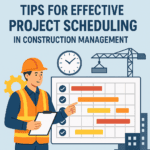
Managing your project schedule is crucial. Create a timeline with milestones and deadlines. Gantt charts are popular tools for visualizing progress.
Interactive Example: You might set a milestone for foundation completion in three months. Mark it on the Gantt chart and regularly review progress. 🌟
Risk Management
Identify potential risks early. Create a risk management plan outlining possible issues and their corresponding solutions. Regularly update this plan.
Example: If weather disruptions are a possibility, set aside contingency time and budget, ensuring you can manage those risks efficiently.
🌧️ Table: Common Risks in Construction Projects
| Risk Type | Impact Level | Mitigation Strategy |
|---|---|---|
| Weather delays | High | Build in buffer time |
| Material shortages | Medium | Create relationships with multiple suppliers |
| Safety incidents | High | Conduct regular safety training |
Performance Monitoring
Regularly review project performance against set objectives. This will help you identify areas for improvement.
Example: After six months, evaluate the cost incurred versus the initial budget. If you’re overspending, re-evaluate your purchasing strategy.
📊 Table: Performance Metrics
| Metric | Description |
|---|---|
| Cost Performance Index | Measure of cost efficiency. |
| Schedule Performance Index | Measure of time efficiency. |
| Quality Assessment | Frequency of defects or rework needed. |
Communication is Key
Keep all stakeholders informed. Schedule regular meetings to discuss project status and address concerns.
Effective Tools: Platforms like Slack and Microsoft Teams facilitate communication. They provide an interactive platform for team collaboration.
Building a Strong Team
Ensure that your team is skilled and well-trained. Invest in their professional development.
Example: Organize workshops on new construction technologies or tools to keep the team updated. A well-informed team is crucial for implementing efficient controls.
Continuous Improvement
After project completion, conduct a post-mortem meeting. Discuss what worked and what didn’t. Document lessons learned for future projects.
Service Links:
- For comprehensive construction project management services, check out Construction Project Management Services.
- Explore effective construction project control tools like Construction Project Control Tools.
- Consider AI-driven construction services at AI Construction Services for enhanced efficiency.
FAQs
Q: What are the key components of effective project control?
A: The key components include budget tracking, schedule management, risk management, communication, and performance monitoring.
Q: How can technology improve project controls?
A: Technology can automate data collection, enhance communication, and provide real-time visibility into project performance.
Q: What is a Gantt chart used for?
A: A Gantt chart is used to visualize project schedules, showing tasks and their timelines, which helps in tracking progress.
Q: Why is risk management critical in construction?
A: Effective risk management helps identify potential issues early, allowing for mitigation strategies to be put in place, reducing disruptions and costs.
By following these guidelines, you can implement effective construction project controls that will lead your projects toward success. Remember, the aim is not just to meet the objectives but to ensure that the process is efficient and smooth at every stage. Good luck! 🚀