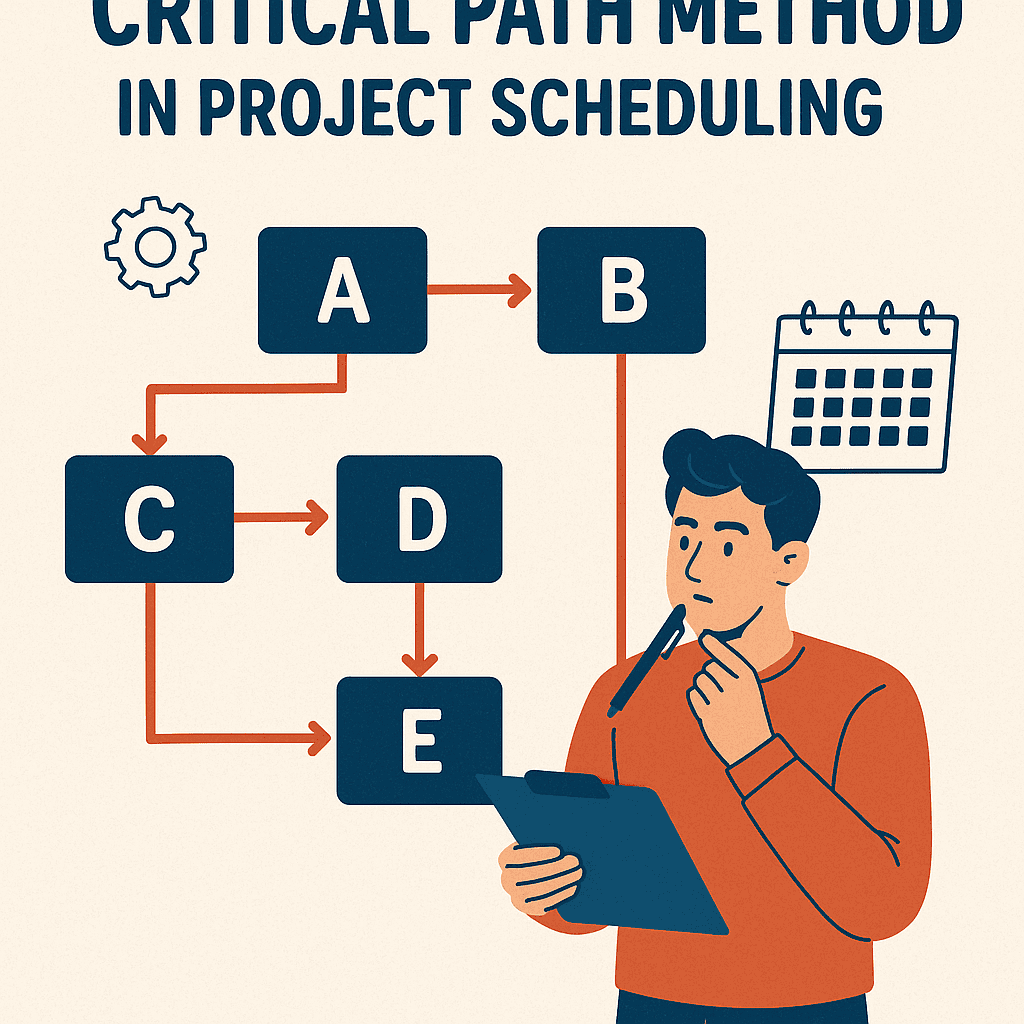





In today’s fast-paced business environment, effective project planning and scheduling are crucial for project managers seeking successful outcomes. Whether you’re leading a small team or managing a large-scale project, here are strategies to help you optimize your planning and scheduling approach.
Understand Project Requirements
First off, having a clear understanding of your project’s goals is essential. Gather all necessary documentation, stakeholder input, and requirements. A project kickoff meeting can also be beneficial to align everyone’s vision.
Create a Comprehensive Work Breakdown Structure (WBS)
A Work Breakdown Structure (WBS) breaks down the project into manageable sections. This method prevents overwhelm by allowing you to focus on smaller tasks rather than the project as a whole. For instance, if you’re launching a new product, your WBS might include phases like research, design, marketing, and production.
| Phase | Task | Assignee |
|---|---|---|
| Research | Market Analysis | Alice |
| Design | Prototype Development | Bob |
| Marketing | Campaign Strategy | Carol |
| Production | Quality Assurance | David |
Use Project Management Software
Leveraging technology can substantially improve project planning. Consider using project management software tailored to your needs, such as Trello, Asana, or Microsoft Project. These tools offer task management, set deadlines, and enable real-time collaboration.
Example: A team using Trello can organize tasks on a board, allowing members to move tasks through different stages, from “To Do” to “Done”, enhancing visibility and accountability.
Establish a Realistic Timeline
Set achievable milestones and deadlines for each task. Use Gantt charts to visualize timelines. Tools like Smartsheet can help you create Gantt charts effortlessly.
Case Study: A tech company implemented Gantt charts for a software development project. By breaking the project timeline into weekly sprints, they enhanced their workflow efficiency, leading to a 25% faster release time!
Prioritize Tasks Effectively
Identify tasks based on urgency and importance. The Eisenhower Matrix can help categorize tasks to distinguish between what’s urgent, important, both, or neither.
| Importance/Urgency | Urgent & Important | Not Urgent & Important | Urgent & Not Important | Not Urgent & Not Important |
|---|---|---|---|---|
| Task | Project Deadline | Long-term Planning | Email Notifications | Team Bonding Activities |
Ensure Team Collaboration
A project is only as strong as its team. Establish clear communication channels, like Slack or Microsoft Teams, to facilitate effective interaction. Regular check-ins and team meetings ensure everyone is aligned and motivated.
Monitor Progress and Make Adjustments
Using performance metrics can help you monitor project progress. Tools like Monday.com offer dashboards that track KPIs in real-time. If you notice a task falling behind, don’t hesitate to adjust responsibilities or deadlines.
Example Adjustment: If Bob isn’t meeting his assigned deadlines on prototype development, consider reallocating resources or providing additional support to get the project back on track.
Embrace Agile Methodologies
Incorporating Agile methodologies allows for flexibility and quick adaptation to change. Scrum is an excellent example where teams work in short cycles called sprints, facilitating a dynamic project environment.
Benefit: Companies using Scrum report improved product delivery timelines and increased customer satisfaction.
Learn from Past Projects
Evaluate previous projects to identify areas for improvement. Conducting post-mortem analyses will enable the team to learn from mistakes and successes, providing valuable insights for future projects.
Foster a Positive Work Environment
Motivated teams are more productive. Encourage team bonding and provide positive reinforcement to keep morale high. Simple team-building activities can go a long way in cultivating a supportive atmosphere.
Utilize AI Tools for Efficiency
Artificial Intelligence tools can streamline aspects of project planning and scheduling. AI-driven tools such as LiquidPlanner or ClickUp can automate task allocations, predict project durations based on historical data, and analyze workloads.
Benefit: By using AI to predict potential delays, project managers can take proactive measures to stay ahead.
Optimize Resource Allocation
Effectively managing resources ensures that each task is adequately supported. Use resource management tools to track availability and workload, granting a clear view of who’s assigned to what and how to utilize talent best.
Conduct Regular Stakeholder Meetings
Keeping stakeholders informed is vital for project success. Regular updates can provide assurance, garner support, and even offer additional resources when necessary.
Example: A construction project team holds bi-weekly meetings with stakeholders to discuss progress, challenges, and future actions. This practice led to increased transparency and stronger relationships.
Conclusion
Optimizing project planning and scheduling involves multiple interconnected strategies. By integrating clear communication, robust planning tools, Agile methodologies, and continuous evaluation, you can position your projects for success. Remember, it’s not just about meeting deadlines; it’s about achieving quality results that align with your organization’s goals.
FAQs:
What is a Work Breakdown Structure (WBS)?
A WBS is a visual representation of a project’s tasks, broken down into smaller components for easier management.
How can I choose the right project management software?
Consider your team size, project complexity, and required features like collaboration, task management, and reporting to select the appropriate software.
What are the benefits of Agile methodologies?
Agile allows for flexibility, quicker response to changes, and improved team collaboration, leading to better project outcomes.
What is the role of AI in project scheduling?
AI tools can automate scheduling tasks, predict durations, and manage resources more efficiently, enhancing overall project management processes.
For further assistance, consider exploring project planning and scheduling services or check out this list of project planning and scheduling tools. If you’re interested in using AI, look at these project planning and scheduling AI services and tools to enhance your efficiency.
Feel free to reach out for more tips and insights on effective project management strategies!