
Understanding the Landscape of Construction Risks
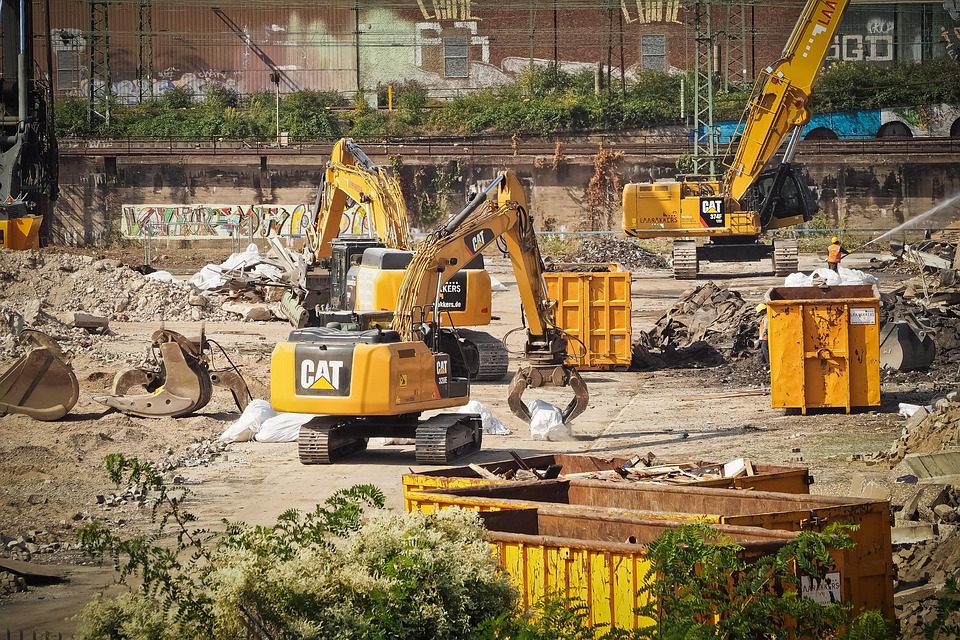
When managing a construction project, understanding the risks involved is crucial. The construction industry is inherently risky due to fluctuating variables like weather, labor disputes, and equipment failure. Effective risk assessment can save you time, cost, and, most importantly, lives.
Step 1: Identify Risks
Start with a brainstorming session involving team members, subcontractors, and stakeholders. This interactive approach encourages input from those who might perceive risks differently.
Example: For instance, if you’re building a high-rise, consider both structural risks, like the integrity of materials, and environmental risks, such as potential flooding in the area.
Table 1: Common Risks in Construction Projects
| Category | Examples |
|---|---|
| Safety Risks | Falls, equipment accidents |
| Environmental | Weather disruptions, soil quality |
| Financial | Budget overruns, delays in payment |
| Regulatory | Permitting issues, code violations |
Step 2: Analyze Risks
Once you identify the risks, evaluate their impact and likelihood. Here’s an interactive way to prioritize risks using a simple matrix.
Table 2: Risk Assessment Matrix
| Risk | Likelihood (1-5) | Impact (1-5) | Total Risk Score |
|---|---|---|---|
| Heavy Rain | 3 | 4 | 12 |
| Equipment Failure | 2 | 5 | 10 |
| Labor Strike | 1 | 5 | 5 |
A scoring system helps you determine which risks need immediate attention.
Step 3: Develop a Response Plan
Once risks are prioritized, create a response plan.
- Avoidance: Change the project plan to eliminate the risk.
- Mitigation: Reduce the impact or likelihood.
- Transfer: Shift risk to another party, such as through insurance.
- Acceptance: Acknowledge the risk and prepare for it.
Case Study: A construction manager faced severe weather delays while building a shopping mall. By engaging with local meteorologists, they adjusted timelines and material scheduling, thus avoiding a significant budget increase.
Step 4: Monitor and Review
Risk assessment is not a one-time task. Regularly review the risk assessment as the project progresses.
- Weekly Meetings: Use these to catch new risks and evaluate existing ones.
- Documentation: Keeping a risk log is vital. This helps in identifying patterns over time and ensuring accountability.
Tools and Technologies
Utilizing tools can streamline your risk assessment process. Here are some recommended options:
-
Construction Project Management Services:
-
Risk Management Tools:
- Primavera Risk Analysis
- RiskWatch
-
AI Services for Construction:
These tools can help automate the tracking of risks and alerts based on real-time data.
Communication is Key
Cultivating a culture of safety and communication is essential. Consider implementing an anonymous reporting tool where workers can report unsafe conditions or near misses without fear.
Example: Post-incident reviews are crucial. If a near-miss occurs, conduct a meeting to discuss it, identify what went wrong, and share lessons learned to prevent similar issues in the future.
Conclusion: Embracing Risk Management
Effective risk management is an ongoing process that demands attention from all project stakeholders. When risks are identified, assessed, and monitored properly, you not only protect your investment but also ensure the safety and well-being of everyone involved in the project.
FAQs
1. What is the primary purpose of risk assessment in construction management?
The primary purpose is to identify potential risks and develop strategies to mitigate or manage them, ensuring project safety and financial viability.
2. How often should I conduct a risk assessment?
You should review your risk assessment regularly—ideally at the beginning of each phase of a project or whenever significant changes occur.
3. Can technology help in managing construction risks?
Yes, various construction management tools and AI services can assist in identifying, assessing, and monitoring risks more efficiently.
4. What are the common challenges in risk management?
Common challenges include the dynamic nature of the construction environment, inadequate communication among stakeholders, and underestimating the likelihood or impact of certain risks.
5. How can I engage my team in the risk management process?
Encourage participation through meetings and brainstorming sessions where everyone can voice their concerns and suggestions regarding potential risks.
With these strategies, your approach to risk assessment can become a defining feature of your construction project management success! 🏗️✨