


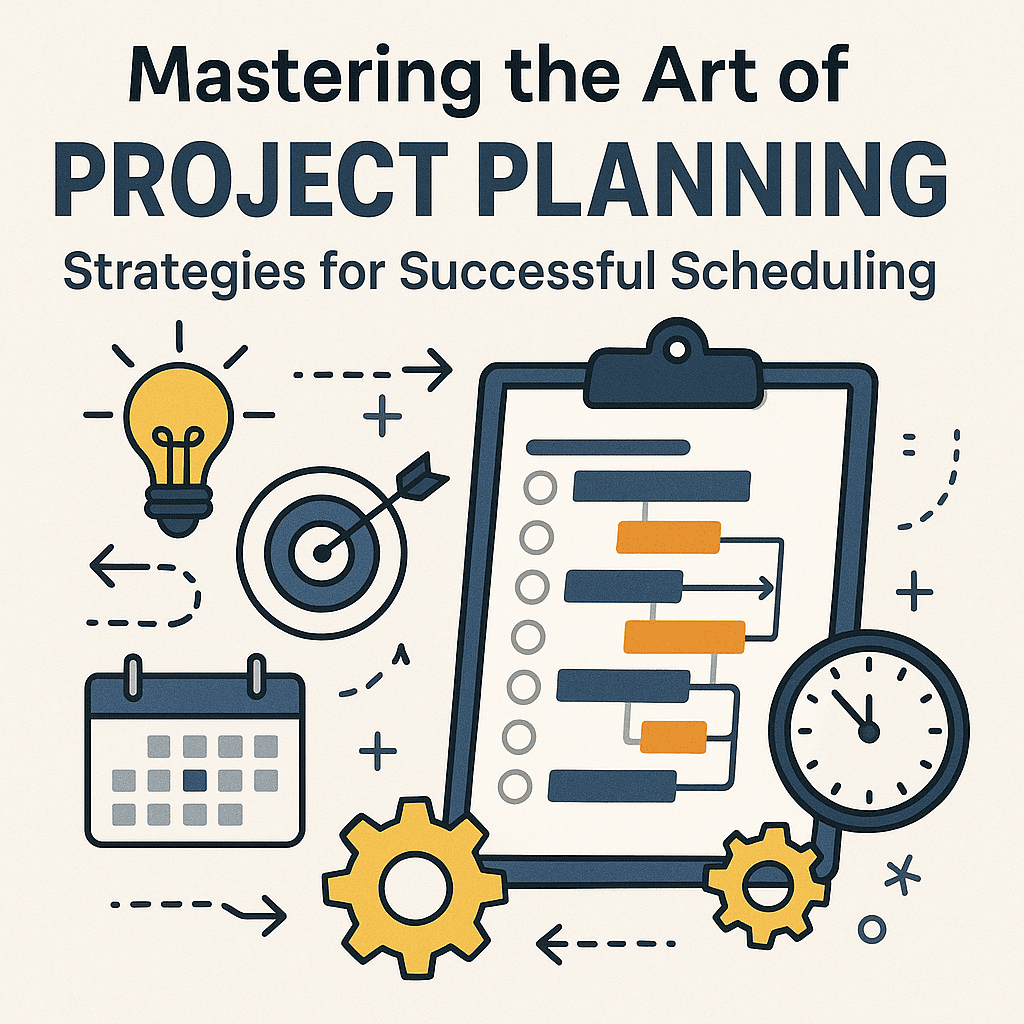
Mastering the Art of Project Planning: Strategies for Successful Scheduling
When you dive into project planning, it’s crucial to focus on a structured approach that ensures your project stays on track. Let’s discuss some effective strategies to enhance your project scheduling, making the process less overwhelming and more rewarding.
The first step in any successful project is to have a clear understanding of its goals. Imagine you’re leading a project to redesign a website for a small business. You should sit down with your team and the clients to define what success looks like. Will it be the launch of the new website by a specific date? Increased user engagement? Defining these goals will help guide your scheduling process. 🎯
Next, engaging stakeholders early on can boost the chances of your project’s success. Their insights are invaluable. For instance, if you’re developing a new software tool, getting input from end-users about their needs and perspectives can reshape your project scope positively. This will help in creating a more effective timeline with realistic deadlines.
Creating a Detailed Project Timeline
Creating a project timeline requires breaking down the project into tasks and phases. Let’s say you have a project involving three critical phases: Planning, Execution, and Closure. Each phase has different tasks associated with it. You can create a simple table to visualize this:
| Phase | Task | Duration | Responsibility |
|---|---|---|---|
| Planning | Requirement Analysis | 2 weeks | Project Manager |
| Resource Allocation | 1 week | Team Leads | |
| Schedule Development | 2 weeks | Project Manager | |
| Execution | Task Implementation | 4 weeks | Development Team |
| Testing | 2 weeks | QA Team | |
| Closure | Final Evaluations | 1 week | Project Manager |
| Project Documentation | 1 week | Documentation Team |
Remember, detailed tasks lead to realistic timelines. You can use project management tools like Asana or Trello to track tasks and responsibilities. These tools help with visual scheduling, making it easier for the team to see what needs to be done and who is doing it.
Resource Allocation
Successful project planning involves proper resource allocation. Resources aren’t just about budget; they include personnel, equipment, and even time. For instance, if you know your project requires specific software licenses, ensure you account for that in your planning.
Consider a case study where a team allotted two developers for six weeks to build a mobile app. However, they neglected to consider that one of their developers was also assigned to another project simultaneously. This overlap caused delays as tasks remained uncompleted. Properly identifying and prioritizing resources up front can avoid this pitfall. 🛠️
Time Management Techniques
In project scheduling, time is of the essence. There are techniques like the Critical Path Method (CPM) and Gantt charts that can help visualize task timelines. A Gantt chart allows you to see the start and finish dates of the various tasks involved in the project.
For example:
| Task | Start Date | End Date |
|---|---|---|
| Requirement Analysis | 01/01 | 15/01 |
| Development | 16/01 | 15/02 |
| Testing | 16/02 | 01/03 |
| Documentation | 02/03 | 10/03 |
This table clarifies how tasks overlap. The Gantt chart would visually represent this information, providing you and your stakeholders with a clear overview of the project timeline.
Incorporating Flexibility
Flexibility is vital in project scheduling. As changes occur, whether due to stakeholder feedback or unexpected issues, having a buffer in your timeline can keep the project on track. For example, if the development phase takes longer than expected, having flexibility in your schedule allows you to adjust other tasks without derailing the project.
Implementing agile methodologies can grant you that flexibility. In an Agile project, work is divided into small increments, allowing teams to adapt to changes quickly. For instance, instead of planning a full app launch, you might release a Minimum Viable Product (MVP), gather user feedback, and iterate. This approach focuses on delivering value rather than sticking rigidly to a set plan.
Regularly Review and Update
Scheduling is not a one-and-done situation. You should consistently review and update your project plan. Weekly or bi-weekly check-ins can keep the team aligned and encourage open communication about any roadblocks.
When using tools like Smartsheet, you can set up automatic updates. This ensures everyone has the latest information and can adjust their work accordingly.
Conclusion
Mastering project planning takes practice and a willingness to adjust strategies as needed. By setting clear goals, engaging stakeholders early, creating detailed timelines, allocating resources effectively, incorporating flexibility, and reviewing plans regularly, you’ll set your project up for success. Keep these strategies in your back pocket and watch your projects thrive. 🚀
FAQs
1. What tools can I use for project planning and scheduling?
You can use tools like Asana, Trello, and Monday.com for efficient project tracking and scheduling.
2. What is the Critical Path Method?
The Critical Path Method is a project management technique used to identify the longest sequence of dependent tasks, determining the shortest time to complete the project.
3. How often should I review my project schedule?
Regular reviews, ideally weekly or bi-weekly, can help keep the project on track and make adjustments as necessary.
4. What should I do if a project task is delayed?
Communicate with your stakeholders, assess the impact of the delay, and adjust the project plan accordingly. Consider adding buffer time for future tasks if necessary.
5. How do I handle stakeholder feedback during the project?
Involve stakeholders early on and maintain open channels for communication. Regular updates and check-ins can make it easier to incorporate their feedback without major disruptions.
By following these guidelines, you can enhance your project planning efforts and pave the way for successful project outcomes!