


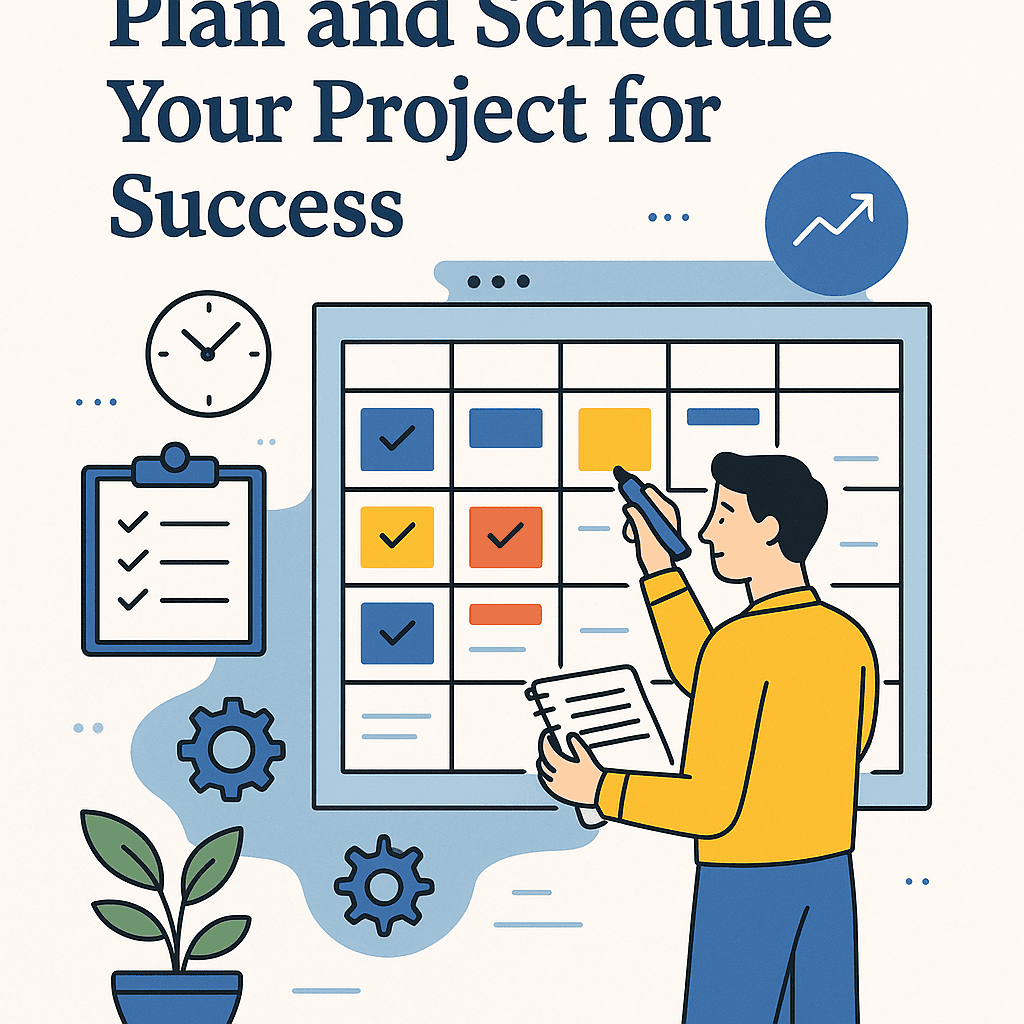
How to Effectively Plan and Schedule Your Project for Success
Planning and scheduling a project isn’t just about creating timelines or checking off tasks; it’s about setting your team up for success. As an experienced PMO manager, I’ve seen various approaches, and I can assure you that the right methods can make a world of difference. Here’s how to ensure you navigate your project with clarity and efficiency.
Define Your Project Objectives
First things first, you need to clearly define what your project aims to achieve. Without well-defined objectives, your planning can feel aimless.
For example, let’s say you’re launching a new marketing campaign. Instead of vaguely stating, “We want to increase brand awareness,” specify it like this:
“Increase social media engagement by 25% within the next three months through targeted content and customer interactions.”
Table 1: Objective Comparison
| Vague Objective | SMART Objective |
|---|---|
| Increase sales | Increase sales by 20% in six months through new marketing strategies. |
| Improve customer satisfaction | Achieve a customer satisfaction score of 90% in quarterly surveys. |
Identify Project Tasks
Once your objectives are clear, break down the project into manageable tasks. This phase can utilize work breakdown structures (WBS) to create a visual representation of tasks and subtasks.
For instance, in our marketing campaign example, tasks might include:
- Content Creation: Blogs, social media posts, graphics.
- Promotional Activities: Email newsletters, paid ads.
- Engagement Tracking: Monitor metrics on various platforms.
Example: Content Creation Breakdown
| Task | Duration | Responsible Team Member |
|---|---|---|
| Brainstorm ideas | 1 week | Marketing Specialist |
| Draft content | 2 weeks | Content Creator |
| Review and Edit | 1 week | Editor |
| Final Approval | 3 days | Project Manager |
Develop a Schedule
A good project schedule is a balance of flexibility and structure. Use tools like Trello or Asana to help visualize timelines.
Mile Stoning: Create milestones to track major deliverables. For example, if your final objective is to launch the campaign in four months, set milestones at the completion of the following:
- Content Creation: Week 3
- Ad Launch: Week 6
- Campaign Evaluation: Week 12
Case Study: Successful Campaign Planning
Let’s take a closer look at a hypothetical case study of an organization called “TechSavvy.” They had the goal of increasing their newsletter subscriptions. Here’s how they mapped out their project:
- Objective: Increase newsletter subscriptions by 50% in three months.
- Tasks:
- Conduct audience research
- Redesign newsletter template
- Develop a lead magnet (like an eBook)
- Promote on social media and through existing channels
- Schedule: They used a Gantt chart via Smartsheet to visualize their tasks against the timeline.
Resource Allocation
Resource management is critical to ensure your team is not overworked. Assign tasks based on team members’ skills and availability. Make sure to communicate openly about workloads and timelines to prevent bottlenecks.
Table 2: Team Allocation
| Team Member | Availability | Assigned Tasks |
|---|---|---|
| Alex (Designer) | Full-time | Graphics & Visuals |
| Jamie (Copywriter) | Part-time | Blog Posts & Leads |
| Morgan (Manager) | Full-time | Overall Project Oversight |
Monitor Progress
Regular check-ins and updates can help keep the team aligned and motivated. Use weekly meetings or tools to track progression.
- Status Reports: Use simple dashboards to summarize current progress versus the planned schedule.
Example Update: “We completed 70% of our tasks, with content creation on track but social media promotion lagging due to unforeseen challenges.”
Risk Management
Identify potential risks in advance and develop contingency plans. Regularly review risks throughout the project to adapt as necessary.
Common Risks
| Risk Type | Mitigation Strategy |
|---|---|
| Resource Overload | Cross-train team members for flexibility. |
| Scope Creep | Regularly revisit project objectives. |
| Technology Issues | Have backup systems and processes in place. |
Celebrate Success
Once you reach the conclusion of your project, take the time to celebrate your achievements! Recognition boosts morale and paves the way for future collaborations.
Conclusion
Effective project management relies on good planning and scheduling techniques. From defining clear objectives to regular monitoring, each step is essential for steering your project toward success. Remember, it’s a collective effort, so keep communication open and encourage feedback.
FAQs
Q: What tools can I use for project planning?
A: Tools like Trello, Asana, and Smartsheet are excellent for planning and tracking tasks.
Q: How often should I check on project progress?
A: Weekly check-ins are generally recommended, but adjust based on project needs and team dynamics.
Q: What if my project goes off-schedule?
A: Identify the reasons for the delay, communicate with your team, and adjust the schedule while ensuring project objectives still align.
Q: Is it necessary to stick to my initial plan?
A: Flexibility is key in project management. Adapt your plan as necessary while keeping your project goals in sight.
Q: How do I manage team collaboration?
A: Use collaborative tools like Slack to facilitate easy communication and project updates.
Implementing the above strategies will not only help in planning and scheduling effectively but also push your project to succeed! 🚀