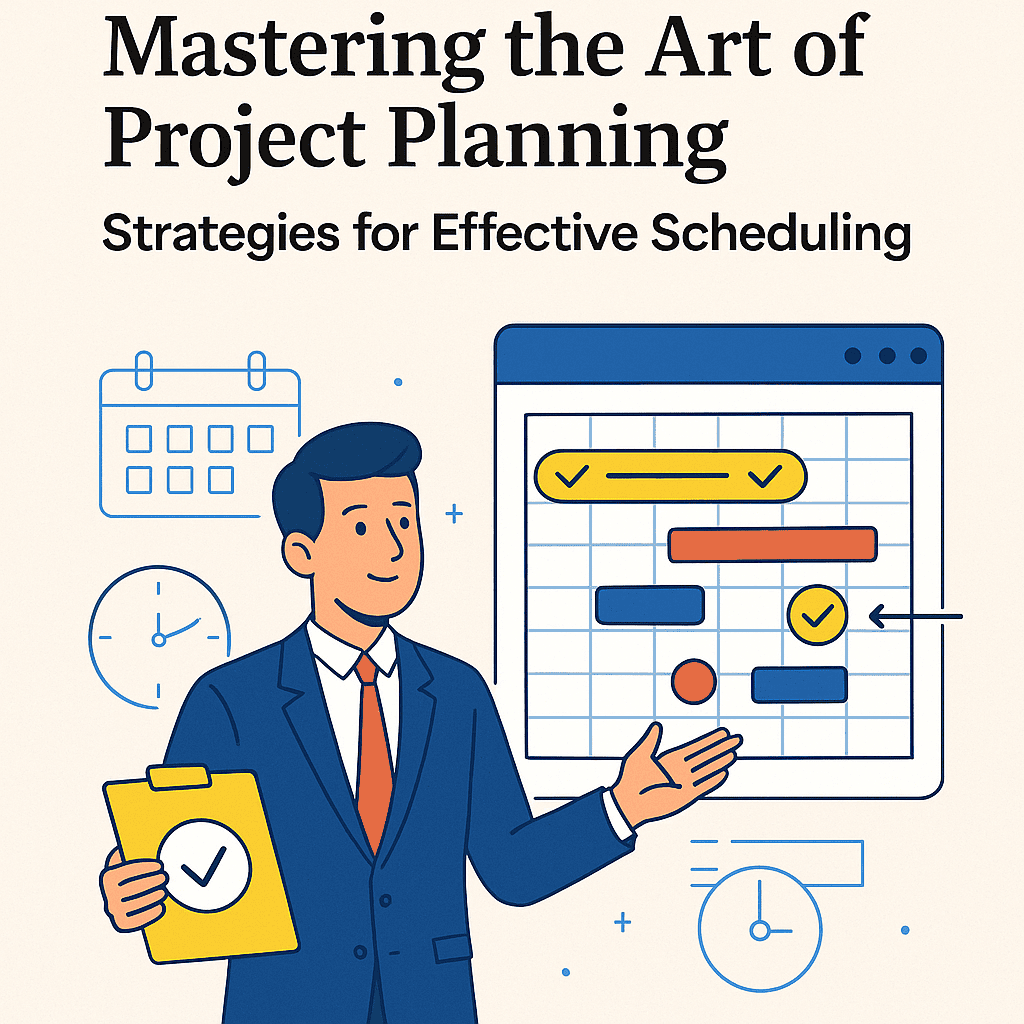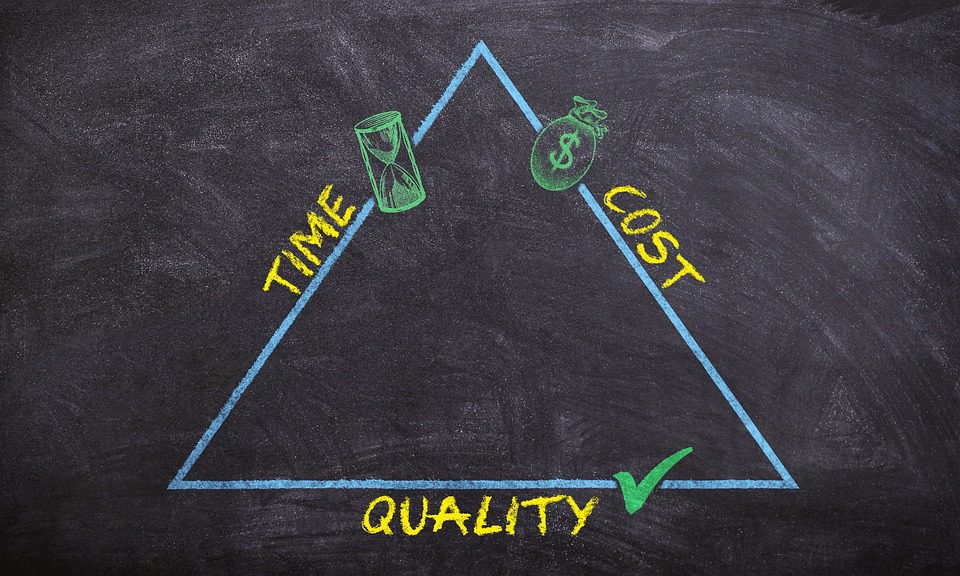




Effective project planning and scheduling are cornerstones for achieving success in any project, regardless of its size or complexity. It can mean the difference between timely completion and costly overruns. Here’s a guide on how to enhance your project planning and scheduling process.
Understand Your Project Scope
Start by defining the scope clearly. Understand the objectives, deliverables, and specific requirements of your project. For example, let’s say you’re working on launching a new product. Your project will likely involve design, testing, marketing, and distribution stages.
Example:
In a recent project aimed at launching a new app, we spent almost two weeks gathering requirements and formulating a detailed scope. This clarity helped us avoid scope creep later on, which can often derail timelines.
Create a Detailed Work Breakdown Structure (WBS)
Once the scope is clear, break down the project into manageable tasks. A Work Breakdown Structure (WBS) is crucial in organizing tasks hierarchically. This allows you to see the big picture while also diving into specifics.
Example:
For our app launch, the WBS included phases like Research, Design, Development, and Deployment, each broken down into sub-tasks like “Create wireframes” and “Conduct usability testing.”
| Phase | Tasks |
|---|---|
| Research | Market Analysis, Competitor Review |
| Design | Wireframes, Prototypes |
| Development | Coding, Testing |
| Deployment | Launch, Post-launch Review |
Establish a Realistic Timeline
Time is often your most limited resource. Use your WBS to create a timeline that outlines when each task should start and finish. Make sure to consider holidays, weekends, and potential contingency periods.
Tools:
Platforms like Microsoft Project and Trello can help visualize your project timeline effectively.
Utilize Scheduling Software
Employing project management software can streamline the planning and scheduling experience. Using tools tailored for project planning not only offers you visual aids but also helps keep your team on track.
Use Best Practices for Resource Allocation
Resource allocation can be tricky. Make sure to assign the right people to the right tasks based on their skills and availability. Consider using Gantt charts for a clear representation.
Case Study:
I once managed a team where we had a resource allocation issue. Using software, we discovered one designer was overbooked while another was underutilized. By reallocating tasks, we reduced overtime and completed the project a week early! 💪
Monitor Progress Regularly
Regular monitoring is vital for successful project execution. Use weekly check-ins or daily stand-ups. Tools like Asana provide dashboards to visualize progress with ease.
Manage Risks Proactively
Every project comes with its set of risks. Identifying potential risks in advance and developing mitigation strategies can keep your project on track.
| Risk Type | Impact Level | Mitigation Strategy |
|---|---|---|
| Resource Unavailability | High | Have backup resources in place |
| Scope Creep | Medium | Maintain a strict change management process |
Foster Communication
Effective communication is critical among team members. Set clear channels for updates and feedback, maybe through Slack channels or regular team meetings.
Tip:
Encourage open dialogue. An open culture fosters transparency, preventing misunderstandings that can slow down work.
Gather Feedback and Iterate
Once a milestone is reached, gather feedback. It can provide valuable insights into the areas needing improvement. Conduct retrospectives to analyze what went well and what didn’t.
Celebrate Milestones
Don’t forget to celebrate your milestones! Recognizing achievements boosts morale and keeps the team motivated.
Example:
We marked the completion of our app prototype with a small celebration. This note of appreciation kept the team motivated for the next development phase!
Stay Flexible
Even the best-laid plans can go awry. Be prepared to adapt your schedule as needed and communicate any changes to your team promptly.
Evaluate Performance Post-Project
After your project is completed, conduct a post-mortem evaluation to analyze performance and learn from successes and shortcomings.
FAQs
Q: What tools can help with project planning and scheduling?
A: Tools like Trello, Asana, and Microsoft Project are excellent for managing projects effectively.
Q: How can AI benefit project planning?
A: AI tools can help analyze data, predict project outcomes, and optimize resource allocation, such as those offered by Monday.com and Wrike.
Q: What should I do if my project is falling behind schedule?
A: Reassess your resources and tasks. Communication is key—talk to your team about any challenges and brainstorm solutions together.
By consistently refining your project planning and scheduling processes, you can increase your chances of success. Remember, flexibility and constant communication with your team can make a significant difference. Good luck with your next project! 🚀