


Mastering the Art of Project Planning: Strategies for Effective Scheduling
Effective project planning is not just a task; it’s an artistry that combines precision, foresight, and adaptability. In today’s fast-paced environment, mastering project scheduling can mean the difference between success and failure. Let’s dive into strategies that will elevate your project planning skills.
Understanding the Basics of Project Scheduling
Project scheduling is essentially the backbone of project management. A well-structured schedule lays the foundation for smooth execution. Whether you’re managing a small team or orchestrating a large initiative, every project benefit from a clear timeline.
Example:
Imagine you’re planning a community event. If you start with a detailed schedule, allocating time for venue bookings, marketing activities, and participant engagement, it sets the tone for a successful event.
Setting Clear Objectives and Milestones
Before diving into scheduling, it’s essential to identify clear project objectives. What does success look like? What are the critical milestones? A project without clear objectives is like a ship without a destination.
Case Study: Community Event Planning
In a recent community initiative aimed at promoting local businesses, we defined milestones such as:
- Vendor Sign-Up: To be completed within two weeks.
- Marketing Launch: Initiate one month prior.
- Event Day: The culmination of weeks of work.
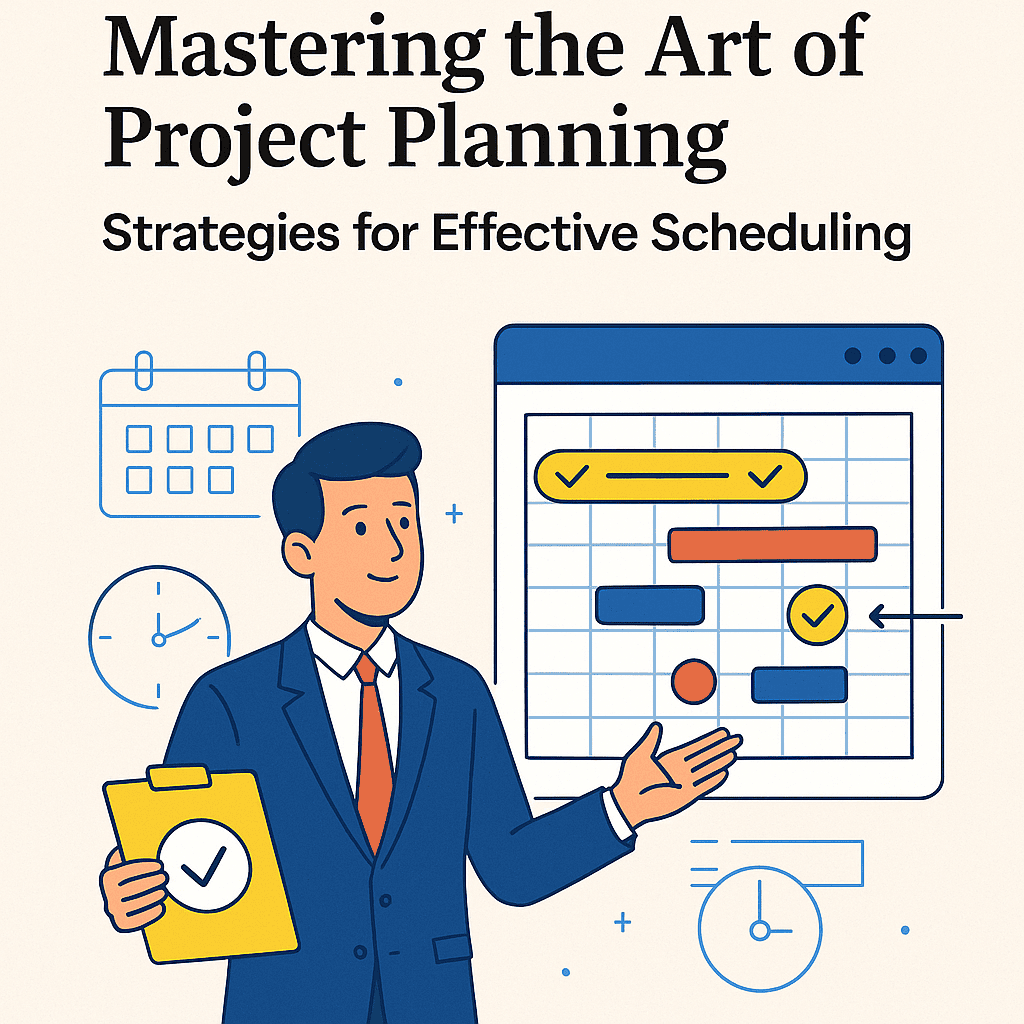
Let’s look at a simplified Gantt chart for this project:
| Task | Start Date | End Date | Status |
|---|---|---|---|
| Vendor Sign-Up | March 1 | March 15 | ✔️ Completed |
| Marketing Launch | March 16 | April 15 | 🚦 In Progress |
| Event Day | April 20 | April 20 | ❌ Pending |
This level of detail makes for better monitoring and helps to stay on track.
Utilizing Project Management Tools
In today’s tech-savvy world, various tools can help streamline your project scheduling. Utilizing software like Trello, Asana, or Microsoft Project can automate many scheduling tasks, which allows you to focus on strategic elements.
Quick Tip: Choose a tool that your team is comfortable with and that aligns with your project needs.
Here’s a comparison of popular tools:
| Tool | Best For | Features |
|---|---|---|
| Trello | Visual Task Management | Boards, Lists, Cards |
| Asana | Team Collaboration | Task Assignments, Timelines |
| Microsoft Project | Comprehensive Planning | Gantt Charts, Resource Management |
Prioritizing Tasks Effectively
Prioritization is crucial in project planning. Not all tasks hold equal weight; some must be completed before others can even begin. This is where techniques like the Eisenhower Matrix can come handy.
Using the Eisenhower Matrix
The Eisenhower Matrix divides tasks into four categories:
- Urgent and Important
- Important but Not Urgent
- Urgent but Not Important
- Neither Urgent nor Important
This helps in making impactful decisions quickly and efficiently.
| Category | Action | Example |
|---|---|---|
| Urgent and Important | Do immediately | Addressing a failing vendor |
| Important but Not Urgent | Schedule for later | Creating promotional content |
| Urgent but Not Important | Delegate | Answering emails |
| Neither Urgent nor Important | Eliminate or delay | Non-critical meetings |
Communicate and Collaborate
Effective communication within your team fosters collaboration, ensuring that everyone is on the same page. Regular check-ins can help to make sure that the team can address any obstacles that may emerge early in the process.
💬 Example: Weekly team stand-ups can provide the platform for discussing progress, roadblocks, and upcoming tasks, ensuring that the project stays on track.
Monitoring Progress and Making Adjustments
Once the project is underway, it’s important to constantly monitor progress. Regular reviews help in identifying any areas where the project is lagging behind. Adjustments can then be made accordingly.
Example:
Imagine a scenario where the marketing launch doesn’t garner the anticipated interest. Regular monitoring will allow you to pivot your strategy on the fly. Maybe you integrate social media promotions or engage with local influencers to boost the event’s visibility.
Case Study: Adjusting Scheduling on-the-Go
In our community event planning, we realized midway that vendor participation was below expectations. We had initially planned to promote the event two weeks before the day. After evaluating the situation, we adjusted our marketing strategy to increase outreach by adding a social media blitz, thereby improving vendor engagement leading up to the event.
Know When to Seek Help
Sometimes, managing a project can become overwhelming, and seeking assistance can be a strategic decision. Consider leveraging professional project planning services if your project needs expertise beyond your team’s capabilities.
🚀 Explore Project Planning and Scheduling Services
The Aftermath: Reviewing and Learning
Once the project concludes, it’s crucial to review the outcomes. What went well, and what could improve? Lessons learned from each project should be documented and shared within your team for future reference.
A Quick Recap:
- Establish clear objectives.
- Utilize effective tools.
- Emphasize collaboration.
- Monitor and adjust as needed.
- Review post-completion for growth.
FAQs
Q: What’s the best software for project scheduling?
A: It depends on your needs! Tools like Trello and Asana are great for visual management, while Microsoft Project is more suited for detailed project planning.
Q: How often should I update my project schedule?
A: Regular updates are key. Aim for weekly check-ins or bi-weekly reviews to maintain accuracy and keep the team aligned.
Q: What should I do if my project is falling behind schedule?
A: Re-evaluate your tasks, communicate with your team, and adjust priorities. Sometimes, task delegation can lend much-needed support.
Q: Should client feedback be incorporated during the planning phase?
A: Absolutely! Involving clients early can ensure that the project aligns with their expectations, minimizing changes down the line.
Q: How does effective scheduling impact overall project success?
A: Good scheduling minimizes confusion, ensuring that tasks are completed on time while allowing the team space to adapt if unforeseen issues arise.
By incorporating these strategies, you can elevate your project planning efforts, ensuring efficient, effective project scheduling. Happy planning! 🌟