


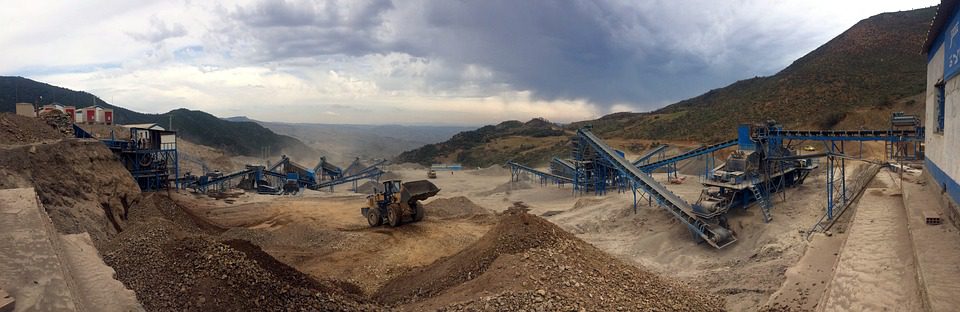
Balancing quality and cost in construction is a crucial aspect of project management that determines the overall success of any project. Here’s how to navigate this delicate balance effectively.
Quality Focus
Quality in construction is not just about meeting specified requirements; it’s about delivering a product that stands the test of time. High-quality materials and skilled labor can significantly enhance the durability and performance of the construction project.
Example: A contractor might choose premium-grade concrete for a bridge instead of standard-grade concrete. While the initial cost is higher, the long-term savings on maintenance and repairs are substantial.
Cost Consideration
In the realm of construction, cost refers to more than just monetary expenditure; it also includes time and resources. The project manager must consider how delays, labor costs, and material procurement fit into the budget.
Case Study: Imagine a mid-sized office complex where the initial budget was $1 million. After a few revisions and changes, costs soared to $1.5 million. The project manager had to make tough decisions to find savings without compromising quality.
Approaches to Balance Quality and Cost
Effective Communication
Open lines of communication with stakeholders are crucial. Regular meetings can help identify concerns early and adjust the project’s scope, ensuring quality does not slip while managing costs.
Tools: Utilizing construction project management software like Procore or PlanGrid can facilitate this communication, allowing team members to document issues in real-time.
Strategic Procurement
Choosing the right suppliers can make a difference. For instance, local suppliers may offer lower shipping costs and faster delivery times. Building relationships with suppliers can also lead to better pricing on materials as the project progresses.
Comparison Table:
| Supplier Type | Pros | Cons |
|---|---|---|
| Local Suppliers | Reduced shipping costs | Limited material options |
| National Suppliers | Wide range of materials | Higher costs |
Scenario: A project manager opted to source timber from a local supplier for a residential building. The decision resulted in cost savings and quicker delivery, enabling the project to stay on schedule.
Quality Control Processes
Implementing quality control processes can prevent costly reworks later in the project. Regular inspections and site audits can catch quality issues early before they escalate.
Example: An experienced project manager uses a checklist during inspections to ensure that all aspects of construction meet the standards before the next phase begins.
Utilizing Technology
AI tools can assist in forecasting costs and assessing quality. Construction project management software like BIM 360 can provide real-time data on project progress, costs, and quality metrics.
Advantages of AI in Project Management:
| Advantage | Details |
|---|---|
| Cost Estimation | AI can analyze historical data to project costs accurately |
| Quality Assurance | Real-time monitoring of construction quality |
Insight: An AI tool predicted delays due to material shortages, allowing the project manager to take preventive measures, thus preserving quality without incurring additional costs.
Training and Development
Investing in training for project managers and site workers can improve quality and cost efficiency. Skilled labor is less likely to make costly mistakes and can contribute to higher standards of work.
Example: A construction firm organized workshops for its crew on the latest building techniques, resulting in fewer errors and increased quality of workmanship.
Stakeholder Involvement
Engaging stakeholders from the project’s inception can lead to better decision-making on what aspects of quality are non-negotiable and where cost savings can be achieved.
Case Study: In a recent project to build a community center, regular input from local residents helped prioritize quality in key areas like safety, while allowing for cost-effective alternatives in others, such as landscaping.
Risk Management
Identifying risks early can help manage both quality and cost. A thorough risk assessment process allows project managers to allocate resources wisely and mitigate potential issues before they arise.
Scenario: A project manager identified potential weather delays early in a construction schedule. By ordering materials in advance, they avoided additional costs related to unforeseen delays.
Sustainable Practices
Incorporating sustainable building practices can sometimes lead to increased initial costs but result in long-term savings, making it a viable strategy for balancing quality and cost.
Example: Using sustainable materials like recycled steel may increase upfront costs but reduce waste and energy consumption, ultimately saving money later.
Feedback Loop
Creating a feedback loop where the team can discuss what is working and what is not can foster a culture of continuous improvement. This will help in adjusting strategies for balancing quality and cost throughout the project lifecycle.
Insights: At the end of each phase, the team gathers for a review meeting. Issues identified in the last phase are discussed, leading to solutions that enhance both quality and cost efficiency for the next.
FAQs
-
How can I ensure quality without overspending?
Focusing on strategic procurement, quality control processes, and utilizing project management software can help maintain quality while keeping costs manageable. -
What role does communication play in balancing quality and cost?
Effective communication ensures that all stakeholders are aligned on goals and expectations, preventing misunderstandings that might lead to increased costs or compromised quality. -
Are there specific tools recommended for construction project management?
Yes, tools like Procore, PlanGrid, BIM 360, and various AI tools specialized for construction can enhance project management and help balance quality and cost effectively. -
How can AI be utilized in construction project management?
AI can assist in cost estimating, forecasting risks, and ensuring quality through real-time monitoring of project data. Its predictive analytics capabilities can help in proactive decision-making. -
What are sustainable practices, and do they affect costs?
Sustainable practices may initially raise costs but lead to long-term savings through efficiency and reduced waste, contributing positively to both quality and cost management.
Navigating the balance between quality and cost in construction project management is a challenging but rewarding endeavor. By implementing effective strategies, leveraging technology, and maintaining open communication, you can achieve outstanding results that satisfy both stakeholders and project goals. 💼🏗️