
Implementing effective construction project controls is crucial for the successful delivery of any construction project. It helps manage time, cost, quality, and scope, ensuring all stakeholders are on the same page. Below, I’ll share a detailed approach based on real-world experience in managing construction projects.
Understanding Project Controls
At its core, project control involves monitoring project progress, managing changes, and ensuring alignment with the project plan. It includes processes, tools, and techniques to ensure that the construction project remains on track.
Table 1: Key Components of Project Controls
| Component | Description |
|---|---|
| Planning | Establishing concrete goals and objectives, as well as timelines and budgets. |
| Monitoring | Tracking project performance through KPIs and regular assessments. |
| Reporting | Communicating progress, issues, and changes to stakeholders. |
| Change Management | Assessing, controlling, and documenting changes to project scope or plans. |
Step 1: Develop a Robust Project Plan
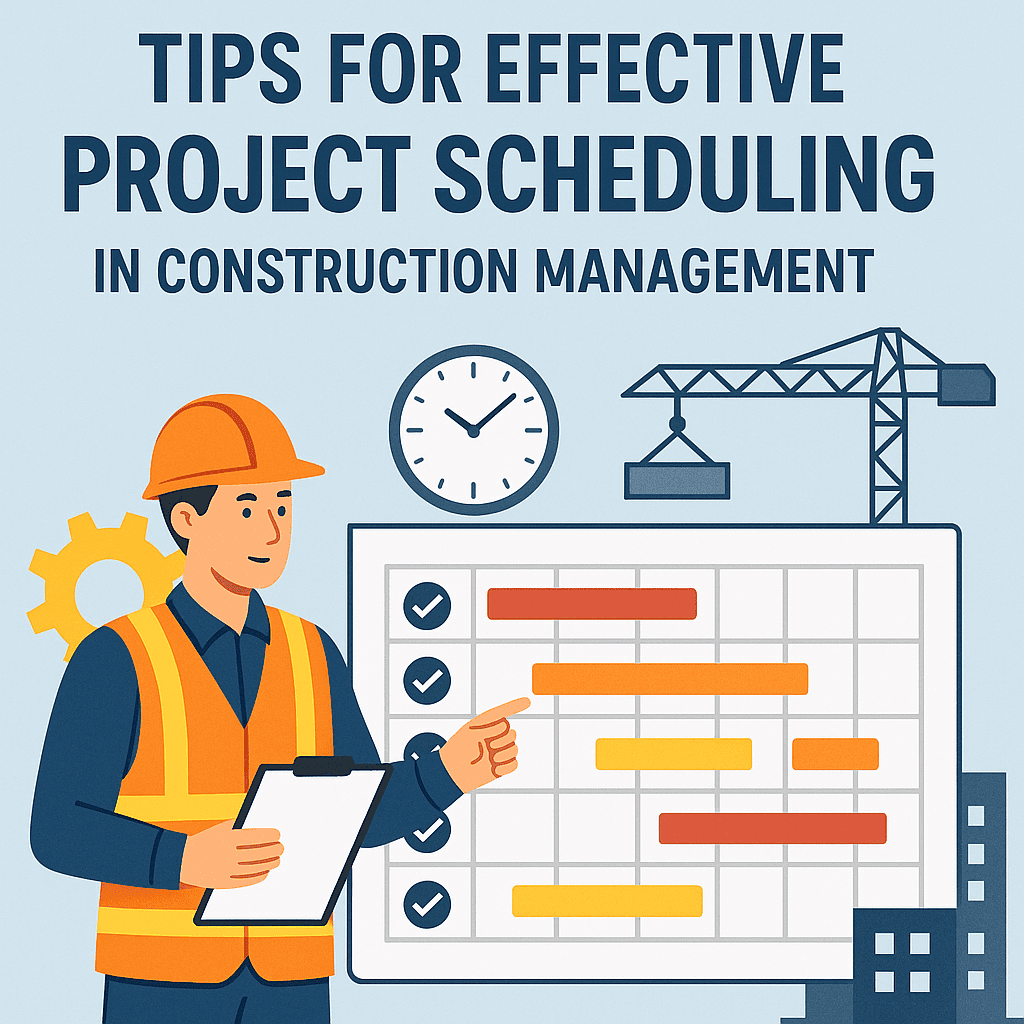
Start with a well-defined project plan that clearly outlines scope, timelines, and resources. Create a Work Breakdown Structure (WBS) to break down tasks into manageable components. This can be visualized with Gantt charts or flowcharts.
Example:
In a recent residential project, a WBS was used to manage tasks ranging from site preparation to final inspections. This focused the team on deadlines and accountable parties.
Step 2: Choose the Right Tools
Using the right project control tools simplifies tracking and reporting. Here are some recommended construction project control tools:
- Microsoft Project: Great for scheduling and resource allocation.
- Primavera P6: Ideal for large, complex projects.
- Smartsheet: Offers versatility and user-friendly interfaces.
- Procore: Combines project management with project controls seamlessly.
You can explore construction project control services here to find more solutions tailored to your needs.
Table 2: Comparison of Project Control Tools
| Tool | Best For | Cost | Key Features |
|---|---|---|---|
| Microsoft Project | Small to medium projects | $$ | Gantt charts, resource management |
| Primavera P6 | Large projects | $$$ | Advanced scheduling tools |
| Smartsheet | Team collaboration | $$ | Real-time updates, templates |
| Procore | All-in-one platform | $$$$ | Reporting, budgeting, scheduling |
Step 3: Establish Key Performance Indicators (KPIs)
Defining KPIs is essential to measure project performance effectively. Common KPIs in construction include:
- Schedule Variance (SV): Difference between planned and actual progress.
- Cost Performance Index (CPI): Measure of cost efficiency.
- Quality Metrics: Number of defects or rework required.
Example:
For a commercial building project, the team monitored schedule variance every week. If SV fell below a certain threshold, it triggered a review meeting to address issues immediately.
Step 4: Regular Monitoring and Reporting
Implement a structured approach to monitor progress. Weekly reports can provide insights into how well projects align with KPIs. Engage in regular team meetings, allowing open communication about challenges or changes needed.
Sample Weekly Report Format
| Week # | Task Completed | Planned vs. Actual Completion Date | Variance | Issues Faced |
|---|---|---|---|---|
| 1 | Foundation | Planned: 01/05 – Actual: 01/06 | 1 day | Weather delay |
| 2 | Framing | Planned: 01/12 – Actual: 01/15 | 3 days | Supply issues |
Step 5: Change Management Process
Change is inevitable in construction. Your team should have a clear process for managing changes, including documentation and impact analysis. Ensure all changes are formally approved and communicated to all stakeholders.
Case Study:
In a recent infrastructure project, unplanned changes to the design led to cost overruns. By applying a strict change management protocol, we were able to document the scope changes, analyze impacts on budget and schedule, and present our findings transparently to stakeholders.
Step 6: Leverage AI in Project Control
Artificial intelligence is transforming project controls by providing predictive analytics, automating routine tasks, and enhancing decision-making capabilities. Explore solutions such as AI-driven budgeting tools and predictive scheduling.
You can find various construction project control AI services here to integrate into your workflow.
Conclusion
Implementing effective construction project controls requires a combination of planning, the right tools, monitoring, and proactive change management. By following these steps, you can significantly enhance the likelihood of project success.
FAQs
Q1: What is a WBS?
A Work Breakdown Structure (WBS) is a hierarchical decomposition of a project into smaller components, providing a structured approach to planning and execution.
Q2: How do I choose the right project control tool?
Consider the size, complexity, and specific needs of your project. Evaluate features, user interface, and budget.
Q3: What are common KPIs in construction project control?
Schedule Variance (SV), Cost Performance Index (CPI), and quality metrics are common KPIs used to measure performance.
Q4: How can AI help in project control?
AI can automate routine tasks, provide predictive insights, enhance data analysis, and improve decision-making.
By implementing these strategies effectively, you’ll be set to bring your construction projects to successful completion!