
Tips for Effective Construction Project Control Management
Managing a construction project effectively is like juggling multiple balls in the air. Each element requires attention, coordination, and precise timing. As an experienced construction project manager, I can share insights into project control management that can make your journey smoother, ensuring that timelines are met and quality is maintained.
Clarity in Communication
Effective communication is key. All stakeholders—clients, contractors, and subcontractors—need to be on the same page. Using project management software tools can facilitate this. For example, platforms like Procore or PlanGrid can keep everyone updated in real-time.
Example
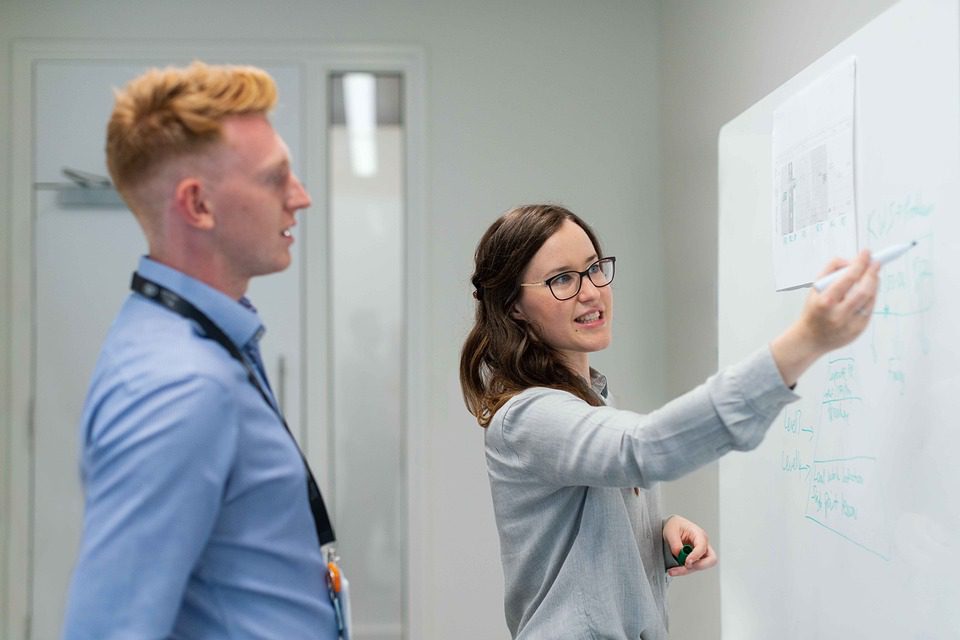
In a recent project, we set up weekly video calls with all parties involved. This not only clarified objectives but also fostered a collaborative environment. We used a simple agenda to keep discussions focused, making it easier to track progress and resolve issues promptly.
Tracking Performance with KPIs
Key Performance Indicators (KPIs) serve as invaluable metrics in assessing the project’s health. By setting clear, measurable KPIs, you can get a better sense of where things stand.
| KPI | Description | Target |
|---|---|---|
| Cost Performance | Measure of how much work is completed for the budget | <= 100% |
| Schedule Variance | Assess differences between planned and actual progress | <= 0% |
| Quality Metrics | Number of defects reported per phase | <= 5 defects per month |
For example, in a recent high-rise building project, we established a cost performance index (CPI) that allowed us to identify cost overruns early, enabling corrective actions before it escalated.
Change Management Processes
In construction, changes are inevitable. Whether due to revisions in design or unforeseen site conditions, having a robust change management process can save time and money. Adopt a clear process that includes documenting changes, assessing implications, and obtaining necessary approvals.
Case Study
On a commercial warehouse project, we faced a major design change two months in. We swiftly documented the change request, held an impact assessment meeting, and communicated promptly with all stakeholders. This proactive approach minimized delays and avoided costly setbacks.
Resource Allocation and Management
Resource allocation affects project efficiency significantly. Ensure the right resources—be it labor or materials—are available and allocated effectively. Use tools like Microsoft Project to visualize resource allocation and adjust as needed.
Interactive Example
Imagine you have a team of ten workers, but five are skilled and five are not. Assigning the skilled workers to critical tasks may lead to better outcomes. Creating a skills matrix helps recognize strengths and weaknesses among your team, optimizing task assignments.
Engage with Technology
Leverage the power of technology in project control management. From Building Information Modeling (BIM) to drones for site surveys, technology can help streamline processes. Tools like Vico Office integrate various project data, allowing real-time tracking and management.
Emotional Touch
The first time we implemented drones to survey our construction sites, the entire team was amazed. They helped us visualize the project scale better than ever, enhancing both planning and execution phases.
Regular Audits and Assessments
Conducting regular assessments is vital for maintaining oversight. Schedule project audits that focus on financial health, compliance with safety standards, and quality checks.
Quick Tip
Use a checklist during audits to cover all essential aspects. This can include:
- Current expenditure vs. budget
- Pending tasks and their deadlines
- Safety protocol adherence
Foster a Positive Work Environment
A motivated team can significantly impact productivity. Create an environment where team members feel valued and are encouraged to provide feedback. This leads to improvements in both processes and morale.
Illustrative Example
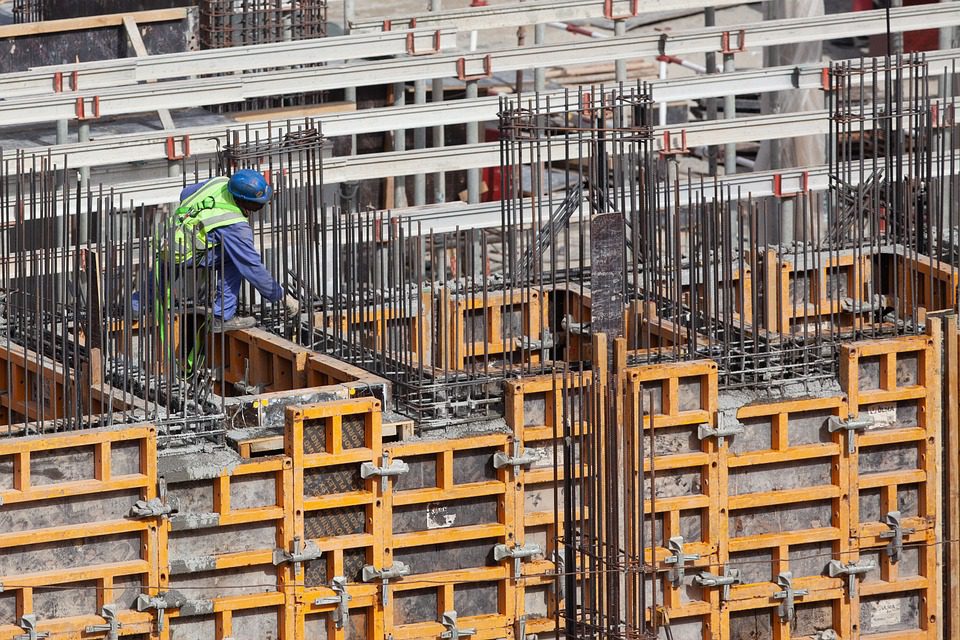
For a concrete pouring project, we held a small celebration after meeting our deadlines. Recognizing achievements, big or small, builds a positive culture and enhances long-term commitment.
Stakeholder Engagement
All stakeholders should be engaged throughout the project lifecycle. Providing timely updates and seeking input can increase buy-in and reduce resistance to changes. Using project dashboards can visually represent progress for stakeholders, making it easier to keep them informed.
| Stakeholder Type | Engagement Method |
|---|---|
| Clients | Monthly project review meetings with visual project dashboards |
| Contractors | Weekly progress calls and direct messaging for quick queries |
| Community | Information sessions to address concerns and updates |
In one residential project, we set up community forums where local residents could voice concerns and receive updates on construction developments. This helped foster goodwill and reduced complaints.
Documentation and Feedback Loops
Proper documentation is critical. Recording decisions, changes, and challenges keeps essential information accessible, aiding future projects. Additionally, create feedback loops that allow teams to share lessons learned throughout the project lifecycle.
Simple Strategy
After project completion, conduct a retrospective meeting. Discuss what worked well and what didn’t, and document those insights. This practice can lead to improved processes in future projects.
Final Thoughts
Effective project control management hinges on clear communication, real-time tracking, and active stakeholder engagement. As we navigate through the complexities of construction, leveraging technology and fostering a positive team environment can make all the difference.
FAQs
Q: What are the essential tools for construction project control?
A: Tools like Procore, MS Project, and Vico Office are excellent for tracking progress, managing resources, and facilitating communication.
Q: How often should I conduct audits on my project?
A: Regular audits should be scheduled monthly or bi-weekly, depending on project scale and complexity.
Q: What is the importance of KPIs in construction projects?
A: KPIs help assess the project’s health and inform decision-making by providing measurable data on cost, schedule, and quality.
Q: How can I engage stakeholders effectively?
A: Regular updates, feedback sessions, and inclusive decision-making processes can enhance stakeholder engagement and buy-in.
Q: What role does technology play in construction project management?
A: Technology streamlines processes, enhances communication, and provides real-time data for better decision-making.
Feel free to explore construction project control services tailored to fit your project needs and discover innovative construction project control tools that can elevate your management practices! 🏗️