

Creating a comprehensive construction schedule is crucial for ensuring your project runs smoothly. As an experienced construction project manager, I’ve learned that a well-structured schedule is the backbone of successful projects. Here are some detailed steps to help you create an effective construction schedule.
Understand Project Scope
Before you start scheduling, you need a clear understanding of the project scope. This involves knowing all the tasks, deliverables, and the timeline for completing them. A good method is to break down the project into smaller phases. Let’s take a small case study as an example:
Case Study: Mini-Retail Outlet Construction
For a mini-retail outlet, the project scope may include:
| Task | Duration |
|---|---|
| Site Preparation | 2 weeks |
| Foundation Work | 3 weeks |
| Structural Framing | 4 weeks |
| Interior Finishing | 5 weeks |
| Exterior Work | 3 weeks |
| Final Inspection | 1 week |
By detailing each task, you create a clear picture of what needs to be done.
Identify Dependencies
Understanding the dependencies between tasks can help you avoid bottlenecks. Some tasks can only begin when others are completed. For example, in our retail outlet case, you cannot start interior finishing until the structural framing is done. Here’s a simple dependency table:
| Task | Dependencies |
|---|---|
| Site Preparation | None |
| Foundation Work | Site Preparation |
| Structural Framing | Foundation Work |
| Interior Finishing | Structural Framing |
| Exterior Work | Structural Framing |
| Final Inspection | Interior Finishing, Exterior Work |
By mapping these dependencies, you’ll have a clearer view of the project flow.
Use Scheduling Tools
Utilizing scheduling tools can significantly enhance your scheduling process. Tools like Microsoft Project, Primavera, and even AI-driven solutions such as PlanGrid or Smartsheet offer features that allow for easy updates and real-time collaboration. Here’s a small comparison table to guide your choice:
| Tool | Advantages | Disadvantages |
|---|---|---|
| Microsoft Project | Comprehensive features | Can be complex for beginners |
| Primavera | Robust for large projects | Expensive |
| PlanGrid (AI Tool) | Mobile-friendly, great for field | Limited advanced features |
| Smartsheet (AI Tool) | User-friendly interface | May require internet connectivity |
Draft the Schedule
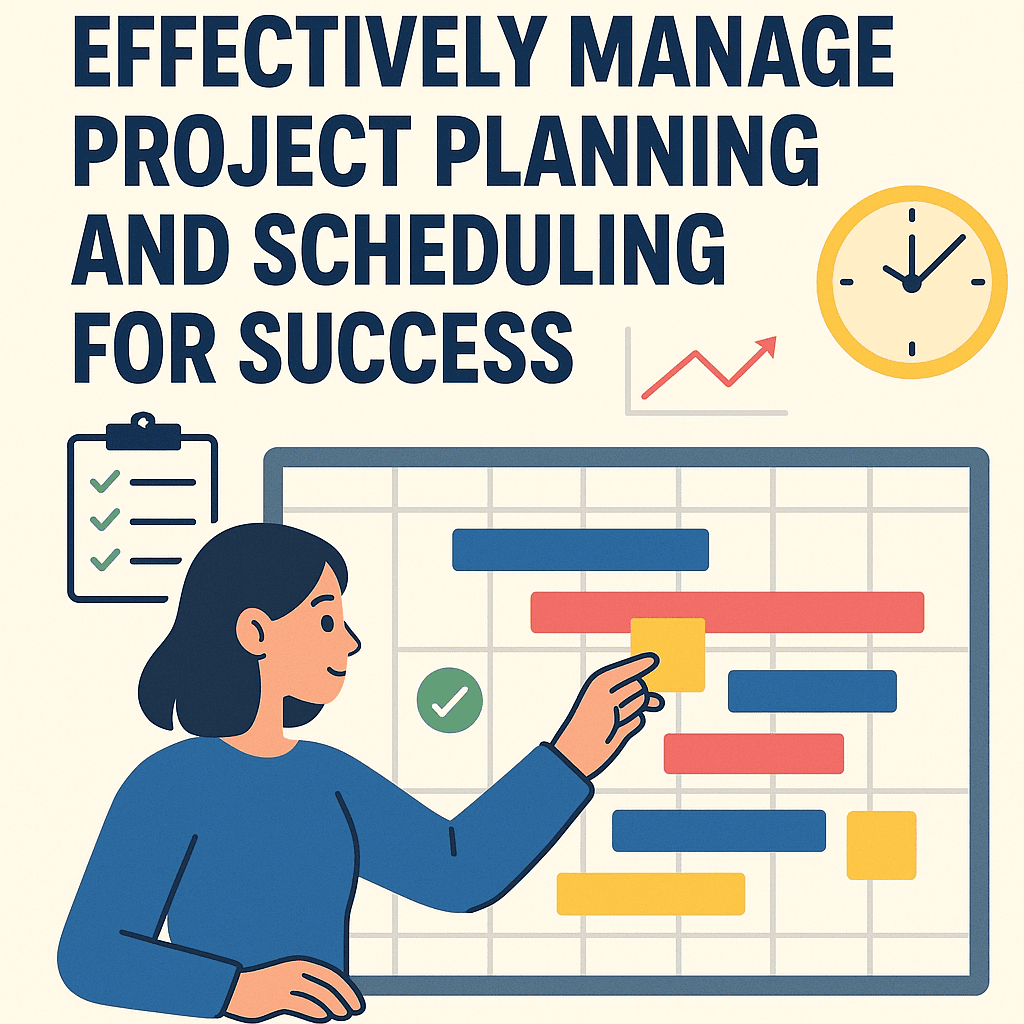
Now, using your project scope and dependencies, start drafting your schedule. Break down your tasks by weeks or even days if necessary. For instance, the initial three weeks for site preparation could look like this:
| Week | Task | Notes |
|---|---|---|
| 1 | Clearing Site | Remove debris, clear vegetation |
| 2 | Grading | Ensure the site is leveled |
| 3 | Excavation | Digging for the foundation |
This level of detail helps the team understand their roles better.
Review and Adjust
Once you have a draft, it’s crucial to review it with all stakeholders. This ensures everyone is on the same page and can provide input. Sometimes, you might need to make adjustments based on resource availability or unforeseen challenges. 💭
Include Time Buffers
Unexpected delays can happen in construction. It’s smart to include time buffers for critical tasks. For example, if your structural framing takes longer than anticipated, having a buffer can help avoid cascading delays.
| Task | Estimated Duration | Buffer Time | Total Duration |
|---|---|---|---|
| Structural Framing | 4 weeks | 1 week | 5 weeks |
Monitoring & Updates
As the project progresses, regularly monitor the schedule. Tools like Trello and Asana can help track progress and make adjustments in real-time. This is essential for catching delays early on so you can address them promptly.
Engaging the Team
Make sure to engage your team throughout the project. Regular meetings 📅 to discuss the schedule, accomplishments, and obstacles will keep everyone aligned. This fosters a sense of responsibility and ownership among team members, which can improve productivity.
Final Review Before Completion
As you approach the final stages of your project, conduct a final review of the schedule. Ensure that all tasks are on track for completion and any pending items are addressed. This step is essential to deliver the project on time. ⚡
Conclusion
Creating a comprehensive construction schedule is an iterative process that thrives on collaboration and clarity. Through understanding project scopes, identifying dependencies, utilizing the right tools, and ensuring ongoing communication, you can set your project up for success.
FAQs
Q: What is the primary purpose of a construction schedule?
A: A construction schedule serves as a roadmap for the entire project, outlining tasks, timelines, and responsibilities to ensure timely completion.
Q: How often should I update the schedule?
A: Regular updates are necessary—at least weekly or bi-weekly—to reflect progress and any changes in the project.
Q: What if a task takes longer than expected?
A: If a task takes longer than anticipated, assess the impact on subsequent tasks and adjust your schedule accordingly, utilizing any pre-allocated time buffers.
Q: Can I use free tools for scheduling?
A: Yes, tools like Trello, Asana, and Google Sheets can be effective for simpler projects or smaller teams.
Q: Where can I find construction project management services?
A: You can explore sites like ConstructionProjectManagement.com for a range of services.
Q: What are the best AI tools for construction management?
A: Some reputable AI tools include SmartRank and PlanGrid for task automation and scheduling.
If you stay proactive and organized, even large construction projects can be managed effectively, resulting in successful and timely outcomes. Happy constructing! 🏗️