
In the construction industry, project controls serve as the backbone of successful project management. Without a solid framework, projects can easily go off-track, leading to severe budget overruns and timeline delays. Here’s a comprehensive guide to implementing effective construction project controls for achieving project success.
Establish Clear Objectives 📋
Before kicking off any project, it’s crucial to set explicit objectives. These goals should be Specific, Measurable, Achievable, Relevant, and Time-bound (SMART). By defining your objectives clearly, you provide a roadmap for your team, keeping everyone aligned from the start.
For example, suppose you’re managing a project involving the construction of a new office building. Your objectives might include:
- Complete the structure within 12 months.
- Stay within the budget of $2 million.
- Achieve sustainability certifications.
Develop a Detailed Project Plan 🗺️
A project plan is not merely a checklist; it’s a visual representation of how the construction will unfold. This plan should include a timeline, resource allocations, and milestones.
Imagine a small case study where a regional contractor was hired to construct a community park. The project plan they developed displayed:
| Task | Duration (Days) | Responsible Person | Start Date | End Date |
|---|---|---|---|---|
| Site Preparation | 14 | John Doe | 01-03-2026 | 15-03-2026 |
| Foundation Laying | 20 | Jane Smith | 16-03-2026 | 04-04-2026 |
| Structure Framing | 30 | Michael Brown | 05-04-2026 | 05-05-2026 |
| Finishing Touches | 10 | Sarah Lee | 06-05-2026 | 16-05-2026 |
Integrate Project Control Tools 🔧
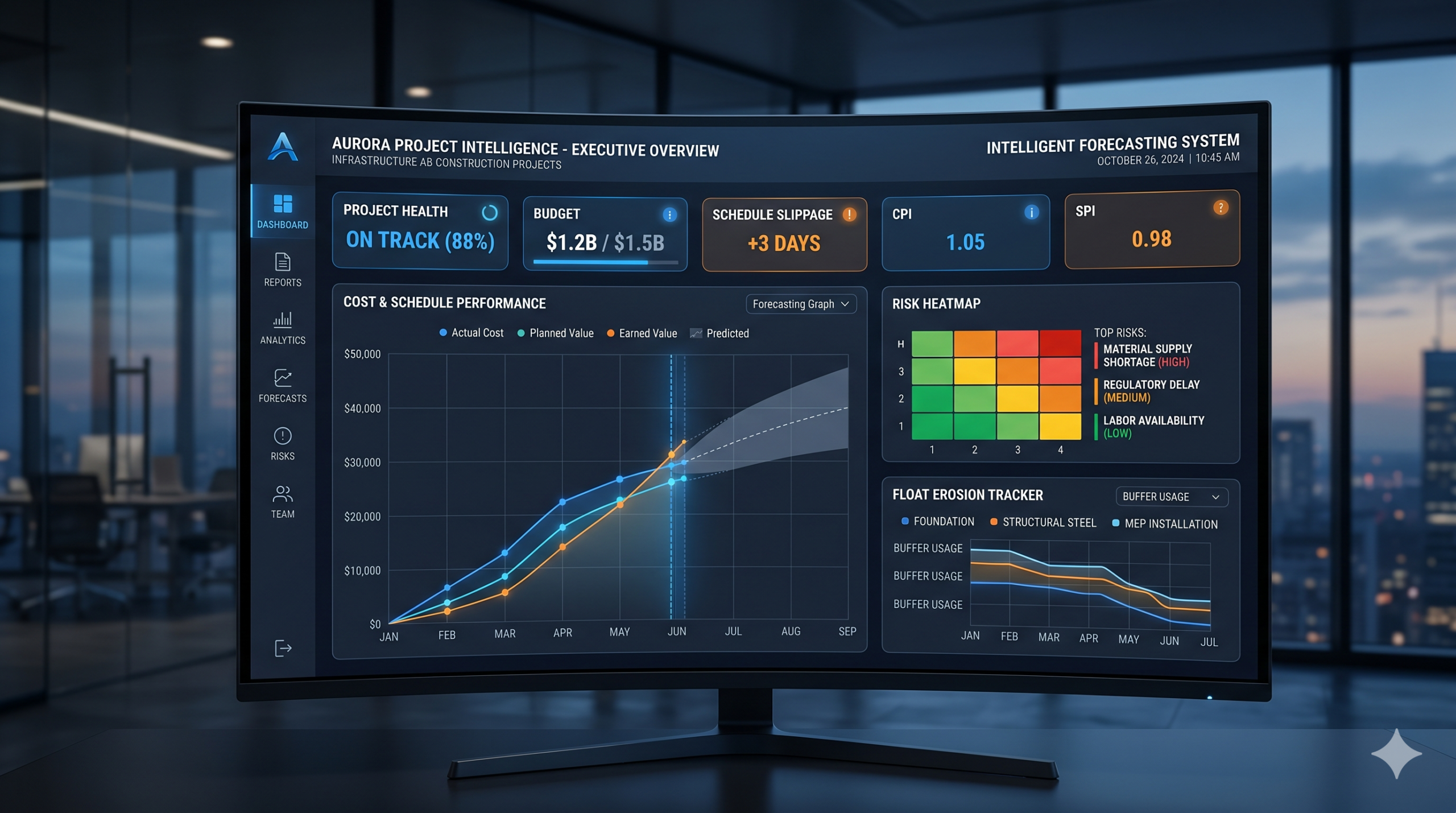
Using the right tools can make project control seamless. There are various construction project control software packages available, like Procore, Microsoft Project, and Primavera P6. Implementing these tools allows project managers to track progress in real time, anticipate roadblocks, and adjust plans as needed.
Example of an Integrated Tool
Consider using Smartsheet, a customizable tool that accommodates multiple project types. When the aforementioned community park project was tracked using Smartsheet, valuable insights were gained, like identifying that the time allocated for landscaping was underestimated, allowing for adjustments before severe impacts occurred.
Monitor and Control Resources 📊
Effective resource management is vital for successful project control. This includes everything from labor and materials to equipment and finances. Regular monitoring should cover:
- Cost tracking
- Labor efficiency
- Material usage
By maintaining a close eye on these elements, project managers can quickly identify issues. For instance, if a contractor notices that labor costs are exceeding expectations, they might decide to conduct a workforce analysis to find out why.
| Resource Type | Budgeted Cost | Actual Cost | Variance | Status |
|---|---|---|---|---|
| Labor | $500,000 | $450,000 | -$50,000 | Under Budget |
| Materials | $300,000 | $350,000 | +$50,000 | Over Budget |
| Equipment | $200,000 | $180,000 | -$20,000 | Under Budget |
Communicate Effectively 📞
Communication is key across all stages of construction. Establish open lines of communication among all stakeholders, including contractors, suppliers, and clients. Regular updates and meetings ensure that everyone is on the same page, which helps in mitigating risks before they escalate.
One effective method used in the park project was a weekly “stand-up” meeting among stakeholders. During these short gatherings, they reviewed project progress and discussed any immediate concerns, leading to faster problem resolution.
Use Predictive Analytics and AI 📈
In recent years, leveraging artificial intelligence and predictive analytics has transformed how project managers can make decisions. AI tools can analyze historical data and predict potential outcomes, helping teams decide where to allocate resources or whether to adjust timelines.
Imagine using a tool like BuiltRobot to analyze past projects. You can enhance cost estimation accuracy, as the AI can predict future trends based on like-for-like projects.
Continuous Improvement 🛠️
Finally, once the project reaches completion, make sure to conduct a thorough review. This should include what worked well and what didn’t. Collect feedback from all team members to identify improvement areas for future projects.
Document these lessons learned, and share them within your organization. This practice not only fosters a culture of continuous improvement but also ensures that your next construction project will benefit from the insights gained.
FAQs
What are construction project controls?
Construction project controls are processes and tools used to guide and manage a construction project’s scope, time, and cost aspects.
Why are they important?
They ensure that projects stay on track, reducing the risk of cost and time overruns.
What tools can help with project control?
Tools like Procore, Microsoft Project, and Smartsheet are popular in the industry. For AI services, BuiltRobot is a noteworthy example.
How can I communicate effectively among stakeholders?
Regular meeting schedules, open communication platforms, and project management software that allows for updates can enhance stakeholder interaction.
Is continuous improvement necessary?
Yes, it helps in identifying weaknesses in your processes and making adjustments, leading to better performance in future projects.
Implementing effective project controls may seem daunting, but by following these steps, you can greatly increase your chances of project success! 🚀