
How to Enhance Efficiency in Construction Project Controls for Sustainable Success
In the fast-paced world of construction, managing projects efficiently while ensuring sustainable practices can be a significant challenge. However, implementing better project controls can ease this burden, improving both outcomes and sustainability. Below, you’ll discover some effective methods to enhance efficiency in construction project controls.
Understanding Project Controls
Project controls provide a structured approach to delivering projects in line with specified criteria—typically scope, time, and cost. Having proficient project controls contributes to enhanced efficiency, risk management, and the achievement of project objectives.
Optimizing Planning and Scheduling
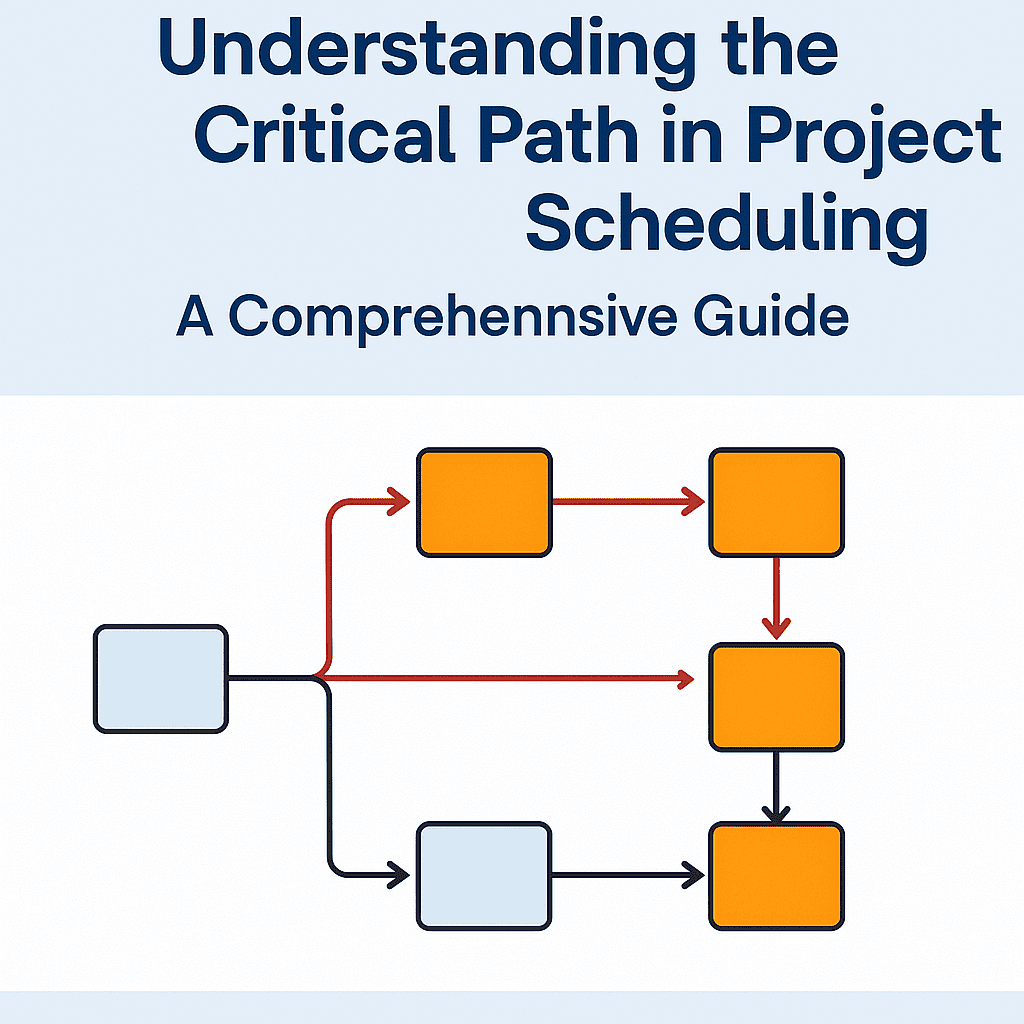
Effective planning and scheduling lay the groundwork for achieving project success. To make your planning more efficient:
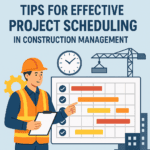
- Utilize software solutions like Primavera P6 or Microsoft Project. These tools offer comprehensive scheduling features that allow for real-time updates and adjustments. Imagine having your entire project timeline visually accessible; this can help you spot potential delays before they become critical.
For example, let’s consider a recent project where the team implemented a Gantt chart. By visually tracking task progress, they managed to complete the project a week early, saving both time and money.
Visibility:
| Planning Tool | Advantages |
|---|---|
| Primavera P6 | Advanced scheduling, resource management |
| Microsoft Project | User-friendly interface, integration options |
Incorporating AI and Automation
Adopting AI-driven tools enhances efficiency tremendously by automating mundane tasks. These AI tools can analyze vast amounts of data—offering insights that humans may overlook. Services like ConstructAI and PlanRadar help in predicting project risks based on historical data.
For a more engaging take, let’s say you had a project where weather data was analyzed by an AI tool. By predicting weather-related delays weeks in advance, the team was able to adjust project timelines proactively, keeping the project on track.
Improving Communication and Collaboration
Navigating construction projects involves many stakeholders, from contractors to clients. Leveraging tools like Slack or Microsoft Teams can facilitate better communication. Real-time updates, shared document access, and collaboration channels streamline discussions.
Imagine you’ve got a dedicated channel set for a large project, where all stakeholders can give updates and voice concerns. By fostering a culture of open communication, project issues can be identified and resolved faster.
Continuous Training and Development
Investing in your team through training is crucial. The construction landscape is constantly evolving, and continuous education keeps your team skilled and ready to tackle new challenges.
Let’s say a construction firm regularly sends project managers to workshops on the latest sustainable practices. They found that post-training, productivity increased by 15% on projects that implemented these practices. Training not only empowers your team but also directly correlates with project efficiency.
Emphasizing Effective Resource Management
Efficient resource management ensures that you get the most out of your materials and labor. Employing project management software that provides real-time data can help monitor resource utilization.
For example, during a project to build affordable housing, a project manager used a resource allocation tool that monitored material usage. It revealed that a particular supplier’s materials were being underutilized, which led to renegotiating supplier contracts and resulted in a 20% cost savings.
Resource Management Benefits:
| Resource Tool | Benefits |
|---|---|
| Smartsheet | Real-time tracking, resource optimization |
| ProCore | Mobile access for field teams, integration |
Instilling a Culture of Accountability
Establishing clear roles and responsibilities encourages accountability. When team members know what is expected of them, project tasks get done without constant oversight, freeing project managers to focus on higher-level strategy.
For instance, in a major infrastructure project, each team member had specific KPI goals. Meetings focused on discussing progress against these KPIs led to a 30% increase in task completion rates.
Implementing a Feedback Loop
Setting up a feedback loop enables teams to learn from each project. Post-project reviews should include what worked and what didn’t—allowing continuous improvement.
For example, after a renovation project, a feedback session revealed that daily updates improved project transparency. This led to implementing the same practice in future projects, which resulted in a more cohesive team effort.
Sustainability Practices
Integrating sustainable practices into your project controls not only fulfills corporate responsibility but can also enhance efficiency. Using recycled materials, implementing energy-efficient processes, and minimizing waste can lead to cost savings while boosting the company’s reputation.
Suppose a firm focused on using recyclable materials and renewable energy in a new building project. By closely monitoring these sustainable choices through project controls, they achieved a LEED certification, attracting more clients who prioritize sustainability.
Utilizing Construction Project Control Tools
There are numerous construction project control tools available. Utilizing them effectively can lead to significantly better project outcomes. Here are some popular tools:
| Tool Name | Description |
|---|---|
| Asta Powerproject | Ideal for project planning and scheduling. |
| CoConstruct | Great for budgeting and communication. |
| Procore | All-in-one solution for project management. |
To explore various construction project control services, click here. Check out some advanced AI services at this link.
Case Study: Efficiency Enhanced Through Integrated Controls
Project Overview: A multi-million dollar commercial complex involved numerous contractors and timelines.
- Challenge: Frequent project delays due to poor communication between stakeholders.
- Solution: Implementation of a centralized project control tool (Procore).
Outcome: With all parties using the same platform, communication improved significantly. The project finished two months ahead of schedule, with a final cost well below budget. Stakeholders were pleased, resulting in future referrals.
Conclusion
Enhancing efficiency in construction project controls leads not just to successful project outcomes but also promotes a culture of sustainability and continuous improvement. With the right tools, training, and practices, project managers can navigate the complexities of modern construction effectively.
FAQs
-
What are construction project controls?
- Construction project controls involve methods and tools used for planning, monitoring, and managing construction projects to ensure they stay on track in terms of time, cost, and scope.
-
How can AI enhance project controls?
- AI can analyze data, predict risks, optimize schedules, and automate routine tasks, making the overall process more efficient and less prone to human error.
-
What tools do you recommend for project controls?
- Tools like Procore, Microsoft Project, and Asta Powerproject are popular choices that can help with planning, communication, and resource management.
-
How important is team training?
- Training is crucial as it keeps the team updated on the latest tools and practices, ultimately leading to improved efficiency and project success.
-
Why integrate sustainability into project controls?
- Integrating sustainability not only meets corporate responsibilities but can reduce costs and enhance the company’s reputation, leading to more business opportunities.
By adopting these strategies, you’ll set your construction projects on the path to greater efficiency and sustainable success. 🌱🏗️