



Understanding the Critical Path in Project Scheduling: A Comprehensive Guide
Project scheduling can feel like an intricate puzzle where every piece must fit perfectly together for success. One of the cornerstones of effective project management is understanding the Critical Path. This essential concept helps in determining the minimum project duration and identifying what tasks are crucial for keeping everything on track. Let’s dive into the significance of the Critical Path, how to identify it, and the impact it can have on project management.
What is the Critical Path?
The Critical Path is the longest duration of dependent tasks in a project that determines the shortest time to complete the project. If any task on this path is delayed, the whole project will be postponed. This makes it crucial for project managers to monitor these tasks closely.
Imagine you’re hosting a large event. You might have tasks like booking a venue, sending invitations, and organizing catering. If the venue booking is delayed, everything else might have to shift, leading to a late event. 🕰️
Example Scenario
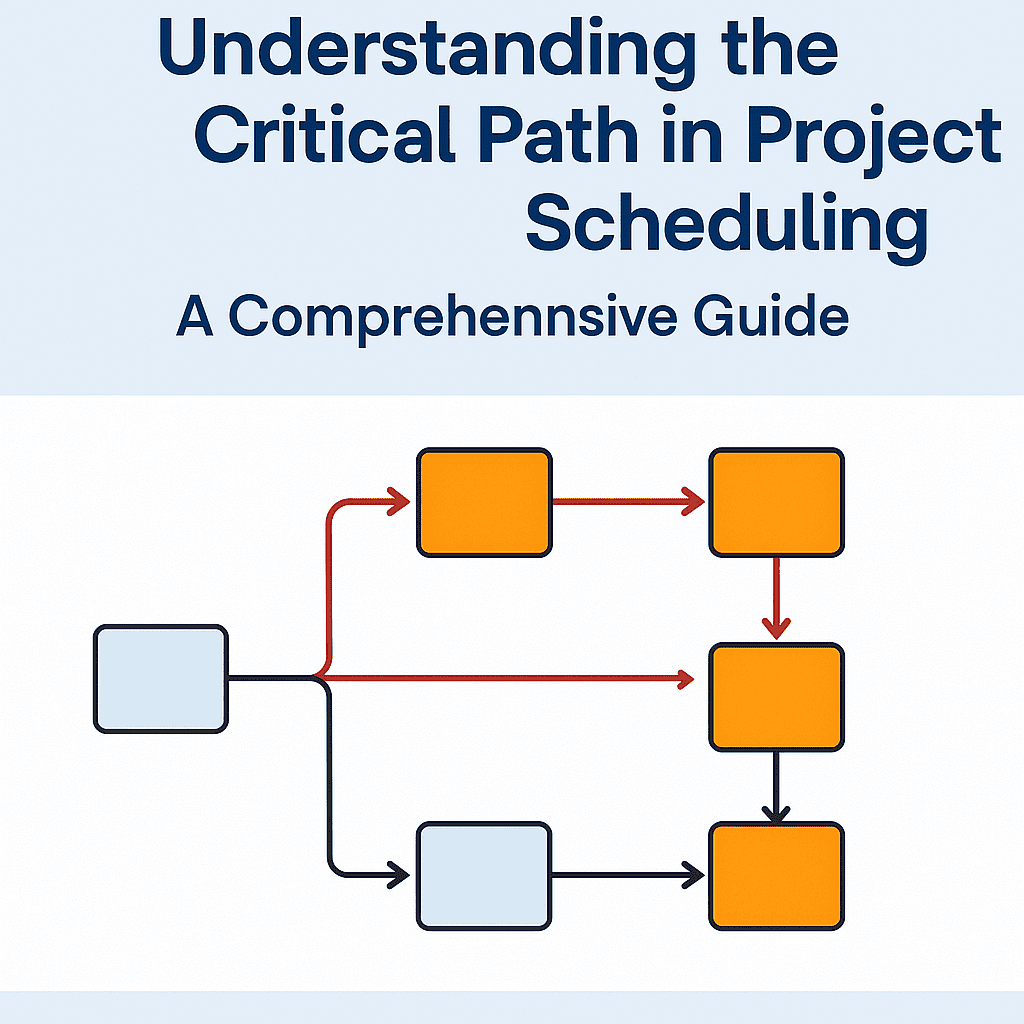
Let’s consider a simple project of organizing a small charity event. Below is a visual representation of the tasks involved:
| Task | Duration (days) | Dependencies |
|---|---|---|
| Book Venue | 3 | – |
| Send Invites | 2 | Book Venue |
| Arrange Catering | 4 | Book Venue |
| Set Up Venue | 1 | Send Invites, Arrange Catering |
| Event Day | 0 | Set Up Venue |
Steps to Identify the Critical Path
To identify the Critical Path, you typically follow these steps:
- List all Activities: Break down the project into tasks.
- Estimate Duration: Determine how long each task will take.
- Identify Dependencies: Understand which tasks depend on others.
- Create a Network Diagram: Visualize the tasks and their connections.
- Calculate Early Start and Finish: For each task, define when it can start and finish.
- Calculate Late Start and Finish: Work backward from the project’s end date.
- Determine Slack Time: This is the difference between early and late starts/finishes. Tasks with zero slack time belong to the Critical Path.
Utilizing the Critical Path Method (CPM)
The Critical Path Method is a project management technique used to determine the longest stretch of dependent activities and measure the time needed to complete them from start to finish.
For the charity event mentioned earlier:
-
Draw a Network Diagram: This will aid in visualizing dependencies:
[Book Venue] –> [Send Invites]
|
v
[Arrange Catering] –> [Set Up Venue] –> [Event Day] -
Calculate the Critical Path: Tasks involved in the Critical Path:
- Book Venue (3 days)
- Send Invites (2 days)
- Arrange Catering (4 days)
- Set Up Venue (1 day)
The total duration of the Critical Path is 10 days. 🗓️
Effects of Delays on the Critical Path
When tasks on the Critical Path are delayed, the entire project timeline gets affected, leading to potential financial losses and strained relationships with stakeholders. If, for instance, the “Book Venue” task is delayed by 2 days, the entire event will face a setback of the same duration.
Tools for Project Scheduling
Utilizing project planning tools can vastly improve your efficiency in managing projects. Here are a few services you may consider exploring for help with project planning and scheduling:
These tools often come with features that allow for visualizing the Critical Path, tracking tasks, setting deadlines, and much more.
Case Study: Tech Product Launch
In a recent project for launching a tech product, a project manager faced challenges while managing tasks involving software development, marketing, and logistics. By creating a detailed network diagram and identifying the Critical Path, the PM discovered that the software testing phase, which was the longest and had no slack time, was on the Critical Path.
Upon realizing this, the team focused on ensuring this task was prioritized. Additional resources were allocated to avoid any potential delays. As a result, the product was launched successfully within the planned timeframe, leading to increased market shares and positive customer feedback. 📈
Conclusion
Understanding the Critical Path is vital for effective project management. It aids in properly scheduling tasks, allocating resources, and keeping timelines in check. By learning how to identify and manage these critical tasks, you’ll set yourself (and your projects) up for success!
FAQs
What happens if a task on the Critical Path is delayed?
If a task on the Critical Path is delayed, the entire project timeline will also be delayed, as these tasks are interdependent.
How do you calculate slack time?
Slack time (or float) is calculated by subtracting the early start date from the late start date, or the early finish from the late finish. If the result is zero, the task is on the Critical Path.
Can the Critical Path change during a project?
Yes, as tasks are completed, and changes are made to dependencies or durations, the Critical Path may shift. Continuous monitoring is crucial.
What tools can help manage the Critical Path?
There are various project management tools like Asana, Microsoft Project, and Smartsheet that can help visualize and manage the Critical Path effectively.
Which method is best for determining the Critical Path?
The Critical Path Method (CPM) is widely recognized as one of the best approaches due to its structured nature and effectiveness in planning project timelines.
Incorporating these principles into your project management approach will transform your scheduling strategies and ensure on-time project deliveries. Let’s keep the conversation going! If you have more questions, feel free to ask! 🗨️