




Effective resource allocation is key to the success of any construction project. Having the right mix of labor, materials, and equipment ensures that projects run smoothly, stay on schedule, and remain within budget. Here’s how experienced construction project managers optimize resource allocation to achieve maximum efficiency.
Understand Your Project’s Needs
Before diving into resource allocation, take the time to analyze your project’s specific needs. Gather input from team members, subcontractors, and suppliers to gain a comprehensive understanding of materials and labor required. For example, if you’re constructing a commercial building, the materials for the foundation will differ significantly from those needed for the roof.
A site like Construction Project Management Services can provide insights into what resources are typically needed for various project types.
Implement Advanced Planning Techniques
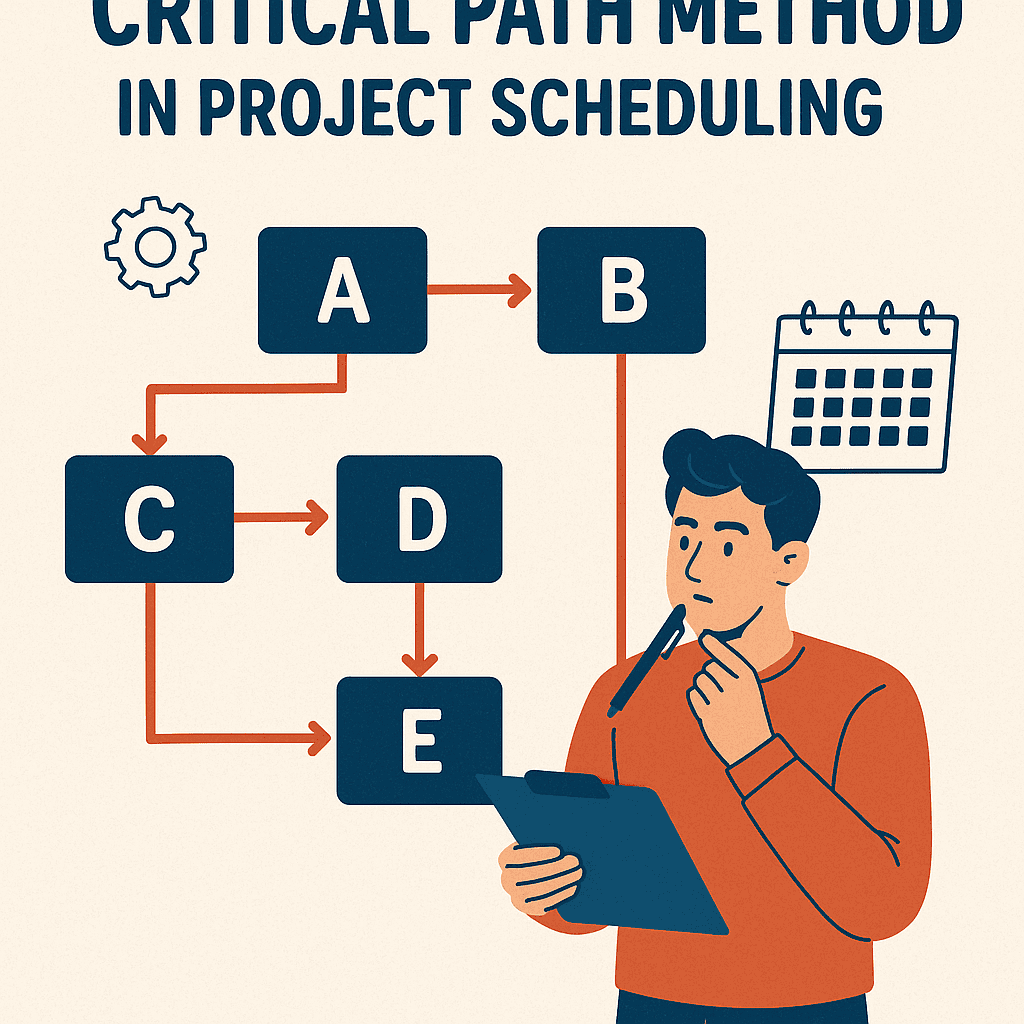
To properly allocate resources, utilize advanced planning techniques. Tools like Gantt charts can visually break down your project timeline and resource requirements. By clearly identifying where and when each resource is needed, you can avoid overlaps and delays.
Consider this snapshot of a Gantt chart:
| Task | Start Date | End Date | Resources Required |
|---|---|---|---|
| Site Preparation | 2026-01-01 | 2026-01-15 | Excavators, Trucks |
| Foundation Laying | 2026-01-16 | 2026-02-15 | Concrete, Labor |
| Superstructure Build | 2026-02-16 | 2026-03-30 | Steel, Labor |
Using a platform like Construction Project Management Tools can simplify this planning phase.
Use Technology to Your Advantage
In the modern construction landscape, technology plays a huge role in optimizing resource allocation. Construction management software can streamline scheduling, material ordering, and budgeting. For instance, using tools like Procore or PlanGrid allows project managers to have real-time data on resource usage, which can be analyzed to forecast future needs more accurately.
Monitor Progress and Adjust Resources
Once your project is underway, continuously monitor the progress. Check if your resource allocation aligns with the initial plan. If certain tasks are lagging, identify which resources can be shifted without disrupting other areas. For example, if the framework is ahead of schedule, consider reallocating some labor to finish interior work.
Foster Team Collaboration
Effective communication is crucial for optimizing resource allocation. Use daily stand-up meetings or digital collaboration tools like Slack or Microsoft Teams to ensure everyone is on the same page. Encourage team members to report any resource shortages or delays immediately, so adjustments can be made promptly.
Analyze Past Projects
Review past projects to understand which resource allocation strategies worked and which didn’t. Utilizing data analytics can help you predict which resources are frequently needed and when delays might occur.
Case Study
Consider a residential project where initial planning allocated 70% of the labor resources to the first half of construction. However, historical data revealed that the finishing phases often lagged due to resource shortages. By adjusting the allocation to 60% for the first half and 40% for the latter phases, they managed to meet deadlines without inflating costs. They used construction management software to visualize these shifts effectively and adjust plans as needed.
Factor in External Influences
Be aware of external factors, such as weather conditions or supply chain disruptions. For instance, if a storm is forecasted, program labor to focus on projects that can be completed before any adverse weather impacts the schedule. Have contingency plans in place to switch resources as necessary, ensuring that delays affect the project minimal.
Optimize Inventory and Supply Chain
Maintain optimal inventory levels to prevent wastage or shortages. Use just-in-time (JIT) procurement strategies to ensure materials arrive exactly when needed, avoiding excess storage costs. For example, if your project relies heavily on concrete, schedule deliveries according to your construction stages, rather than stockpiling materials on site.
| Advantages of JIT Procurement |
|---|
| Reduces waste |
| Minimizes storage costs |
| Improves cash flow |
| Increases project adaptability |
Train and Develop Your Team
Invest in training for your team to improve their efficiency and capabilities. Well-trained workers can use resources more effectively, reducing waste and increasing productivity. Consider workshops on time management, collaborative tools, and new construction methods.
Leverage AI and Machine Learning
Incorporating AI into construction management enhances resource allocation. AI tools can analyze data to predict resource requirements and identify potential delays before they occur. Resources like Construction Project Management AI Services and AI-driven tools can automate tasks such as scheduling and inventory management, allowing for more precise planning.
Feedback and Continuous Improvement
Finally, always seek feedback from your team after project completion. What worked well? What could be improved? Use these insights for continuous improvement in future projects. Apply lessons learned in your next resource allocation strategy.
FAQs
Q: How often should I review resource allocation during a project?
A: Regular check-ins, ideally weekly or bi-weekly, help stay on track and allow for timely adjustments based on project conditions.
Q: What are some effective tools for resource allocation?
A: Platforms like Procore and PlanGrid offer robust features for managing resources, timelines, and budgets.
Q: How can I estimate manpower needs accurately?
A: Historical data from similar projects, combined with thorough task analysis, can yield accurate labor estimates.
Q: Is AI necessary for resource optimization?
A: While not necessary, AI can significantly enhance forecasting and decision-making in resource allocation.
Q: How can I involve my team in the resource allocation process?
A: Encourage open communication during planning meetings and solicit feedback throughout the project to foster a collaborative environment.
By optimizing resource allocation in construction project management, you’ll not only improve project efficiency but also elevate overall team performance. Implement these strategies, and watch your projects transition from plans on paper to successful real-world endeavors! 🚧👷♂️
For more information on construction project management, visit Construction Project Management Services and explore the latest in AI-driven tools for enhanced efficiency!