

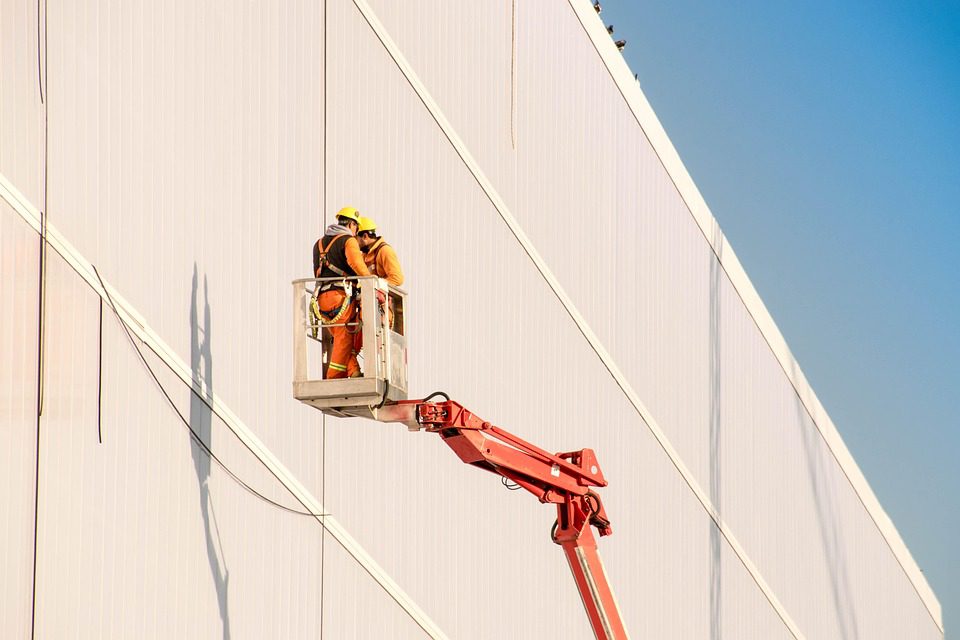
Effective communication in construction project management isn’t just about talking; it’s about creating a symphony of collaboration, ensuring everyone is synchronized. Here’s how to streamline this vital aspect for project success.
Establish Clear Channels of Communication
Creating designated channels for different types of communication simplifies the process. For example, use instant messaging apps for quick questions, emails for formal communication, and project management software for task tracking.
Example: In a past project, the team employed Slack for everyday conversations and used Asana for project tracking. This separation helped keep communications organized and tasks clear. 👍
| Communication Type | Tool Used | Purpose |
|---|---|---|
| Quick Updates | Slack | Instant communication |
| Formal Reports | Record-keeping | |
| Task Management | Asana | Project tracking |
Foster a Culture of Openness
Encouraging an environment where team members feel comfortable sharing ideas or concerns reduces misunderstandings and fosters collaboration. Setting up regular team meetings where everyone can voice opinions creates a robust feedback loop. 🎤
Case Study: When managing a residential construction project, holding bi-weekly open forums led to the identification of potential risks early. One small problem, a shipping delay, was flagged by a team member, allowing for alternative solutions to be put in place. This proactive approach saved both time and money.
Use Visual Tools for Clarity
Often, a picture is indeed worth a thousand words. Utilize diagrams, flowcharts, and other visual aids in your project management tools. Programs like Trello and Basecamp can host such visuals which can help clarify instructions and expectations.
Example: For a highway construction project, using Gantt charts to show timelines allowed all parties to clearly understand progress and deadlines, enabling proactive adjustments.
| Tool | Purpose |
|---|---|
| Gantt Charts | Timeline visualization |
| Kanban Boards | Task management |
| Flowcharts | Process clarification |
Implement Regular Check-Ins
Routine check-ins help maintain alignment. Scheduling these at the start of the project keeps everyone informed of the current status and next steps. Whether they’re daily, weekly, or bi-weekly, these meetings should be a space for updates and problem-solving.
Example: During a commercial build project, we implemented a daily 15-minute stand-up meeting. This simple habit brought the team together, fostering quick problem-solving and alignment. It became a cherished routine rather than a chore! ⏰
Leverage Technology Tools
Embrace modern technology to enhance communication efficiency. Tools like Procore, Monday.com, and Microsoft Teams provide significant advantages in organizing and tracking communication, tasks, and timelines.
| Tool | Advantages |
|---|---|
| Procore | Comprehensive project management |
| Monday.com | Customizable workflows and boards |
| Microsoft Teams | Integrated communication platform |
Example in action: In a large scale renovation project, using Procore’s centralized platform allowed everyone—from architects to subcontractors—to access the same data, reducing instances of misinformation and maintaining a single source of truth. 📊
Promote Cross-Department Collaboration
Cross-department communication ensures all stakeholders understand each other’s roles and responsibilities. For instance, invite engineers to planning meetings where general contractors share insights on scheduling.
Small Case Study: On a hospital construction, we invited facilities management into planning sessions. Their insights led to decisions incorporating future maintenance needs, saving time and money down the line. The collaboration improved our timeline and resulted in a stronger final project.
Encourage Documentation
Ensure all discussions and decisions are documented. This can prevent conflicts about what was discussed and agreed upon. Use shared drives or cloud-based project management tools for easy access to these documents.
| Documentation Type | Tool | Purpose |
|---|---|---|
| Meeting Minutes | Google Docs | Record of discussions |
| Contracts | Dropbox | Easy access for all stakeholders |
| Project Changes | SharePoint | Track modifications and updates |
Feedback Loops
Gathering feedback regularly allows teams to learn and adjust. Establish anonymous surveys or suggestion boxes to encourage honest feedback without fear of reprisal. Excel at adapting based on real experiences!
Example: After completing a commercial project, we conducted a feedback survey. Responses led to an adjustment in our communication protocol that ultimately enhanced workflow efficiency on subsequent projects.
Conclusion
Streamlining communication in construction project management enhances project success and team satisfaction. By fostering a culture of openness, leveraging technology, and documenting regularly, we can successfully navigate the complexities of construction.
FAQs
Q1: What tools can help with construction project management?
A1: There are various tools, including Procore, Monday.com, and Asana that aid in communication and task management.
Q2: How often should we hold communication check-ins?
A2: It depends on the project size and complexity. Daily stand-ups or weekly meetings are commonly effective.
Q3: Why is fostering a culture of openness important?
A3: An open culture encourages team members to voice concerns and ideas, improving overall project health and communication flow.
Q4: What are some examples of visual tools?
A4: Gantt charts, Kanban boards, and flowcharts are excellent for project visualization and clarity.
By taking these steps, we can engage our teams, mitigate risks, and drive projects to success! Let’s keep communicating and building future successes together! 🏗️