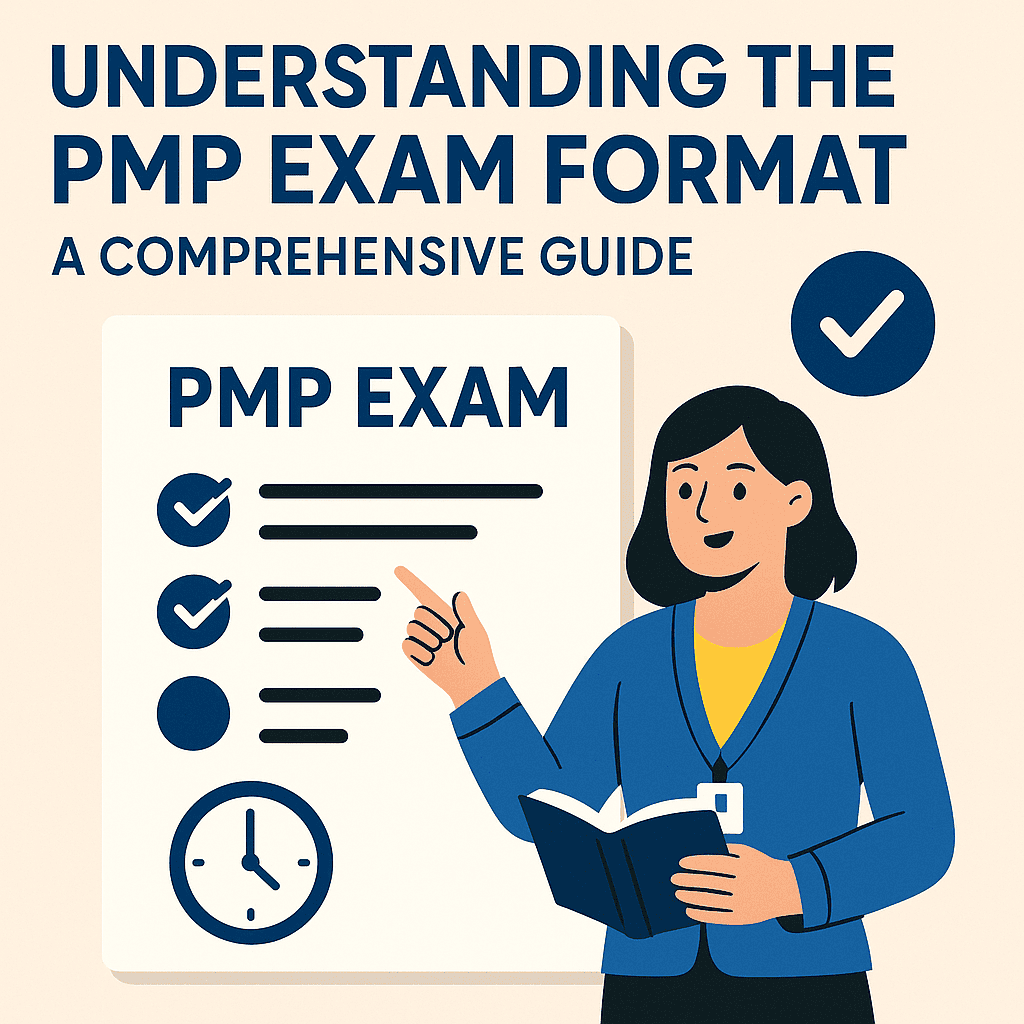
Understanding the PMP Exam Format: A Comprehensive Guide
Navigating the PMP exam can feel like a daunting task. With a plethora of information available, it’s crucial to grasp the exam format thoroughly to boost your chances of success. This guide breaks down the components of the PMP exam and shares practical insights.
Exam Structure
The PMP exam consists of 180 questions, which may seem overwhelming, but understanding how these questions are distributed can alleviate some pressure. Here’s a quick breakdown:
| Section | Number of Questions | Percentage of Exam |
|---|---|---|
| People | 42 | 50% |
| Process | 30 | 25% |
| Business Environment | 28 | 15% |
| Tools and Techniques | 20 | 10% |
Types of Questions
The type of questions you can expect in the PMP exam primarily falls into three categories:
- Multiple Choice: Select the best answer.
- Multiple Responses: Choose two or more correct answers.
- Fill-in-the-Blank: Complete the sentence with the correct term.
Here’s an example of a multiple-choice question:
What is the primary purpose of the project charter?
A) To authorize the project
B) To report on project status
C) To manage stakeholder expectations
D) To analyze risk
(Answer: A)
Scoring and Results
All questions are scored equally, contributing to your overall score. To pass the exam, you often need a score of around 61%. It’s important to know that you won’t receive a score immediately after completing the exam. Instead, you’ll receive a pass/fail notification, with a detailed report sent later.
Case Study: Real-Life Application
To illustrate, let’s consider a small case study involving a project manager named Maria, who prepared for the PMP exam. Maria embraced a structured study approach. She enrolled in a PMP exam prep course that provided access to high-quality practice questions and interactive simulations.
With a focus on the ‘People’ section, Maria utilized a flashcard app for memorization of key terms and concepts. For the ‘Processes’ and ‘Business Environment’ sections, she created a study group with peers. They discussed case scenarios, like handling conflict in teams or budgeting issues. This not only solidified her understanding but also made studying less monotonous and more engaging.
After weeks of dedicated preparation, Maria approached the exam with confidence. By the end of her testing session, she felt reassured by her competencies and passed on her first attempt! 🎉
Exam Day Tips
On exam day, your approach can significantly impact your performance. Arriving early allows for a smooth check-in process. Bring necessary identification and keep in mind the rules regarding personal items.
Once in the exam room, take a moment to familiarize yourself with the interface. You’ll have an on-screen calculator; make sure you know where it is. Pace yourself – while three hours may seem like plenty of time, the clock ticks down faster than you might expect. If you encounter a challenging question, don’t dwell. Mark it for review and move on.
Resources
For effective preparation, consider utilizing the following resources:
- PMP Exam Services: Platforms that offer structured courses and workshops.
- PMP Exam Tools: Software that includes flashcards and exam simulators.
- PMP Exam Practice: Access to vast question banks.
When selecting resources, evaluate reviews and feedback from past participants to ensure quality.
Interaction and Community
Engaging with others on forums and social media can enhance your training. Websites like PMI (Project Management Institute) provide networking opportunities and valuable insights from experienced professionals. Participating in study groups, whether physically or online, can also add a layer of accountability to your preparation.
Frequently Asked Questions
Q1: How long is the PMP exam?
A: The exam lasts for about 230 minutes, allowing sufficient time to address all questions.
Q2: What resources do you recommend for practice questions?
A: There are several reputable platforms such as Rita Mulcahy’s PMP Exam Prep and PMTraining that many candidates find beneficial.
Q3: Are practice exams similar to the actual PMP exam?
A: While they may vary, many quality practice exams closely mimic the format and style of the actual test.
Q4: What happens if I fail the exam?
A: If you fail, you can retake it. Familiarize yourself with PMI’s retake policy, including waiting periods and fees.
Q5: How can I improve my study habits?
A: Incorporate various learning styles—reading, watching videos, and group discussions—to enhance retention.
Conclusion
Understanding the format of the PMP exam is fundamental in your preparation journey. By familiarizing yourself with the structure, types of questions, and by utilizing resources effectively, you can approach your study with confidence. Remember, the key is not just hard study but smart preparation! Keep engaging with fellow PMP aspirants, harness available tools, and stay committed. You got this! 🚀
It’s not just about passing the exam, but about becoming a capable project manager ready to tackle challenges in the real world. Good luck!