
Setting Clear Objectives
Start by defining clear and measurable project objectives. Everyone on the project team needs to understand what success looks like. Use the SMART criteria—Specific, Measurable, Achievable, Relevant, and Time-bound—to ensure clarity. For example, instead of saying “complete the project on time,” specify “finish the groundworks phase by March 30, 2026.”
Mapping Out the Project Schedule
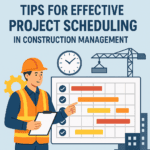
Develop a detailed project schedule that outlines every task needed to achieve your objectives. Employ tools like Gantt charts to visualize timelines.
For instance, if you’re constructing a commercial building, break down the project into phases: design, groundwork, structure, roofing, and interior fit-out. Each phase should have assigned tasks, deadlines, and responsible parties. Utilize software like Microsoft Project to help you set up your schedule effectively.
Budgeting Accurately
Creating a detailed budget is vital. Itemize all costs, including materials, labor, permits, and unexpected expenses.
| Item | Estimated Cost | Actual Cost | Variance |
|---|---|---|---|
| Materials | $50,000 | $48,000 | -$2,000 |
| Labor | $30,000 | $32,000 | +$2,000 |
| Permits | $5,000 | $4,500 | -$500 |
| Total | $85,000 | $84,500 | -$500 |
Regularly compare the estimated costs to the actual expenditures. If expenditures exceed the budget, reassess your spending and adjust accordingly.
Quality Control Processes
Implement quality control checkpoints throughout the project. For example, after the concrete is poured, conduct a strength test before proceeding. Regular inspections ensure that work is done to specification, reducing costs later due to rework.
Consider a case study where a contractor overlooked a quality check on insulation materials. The result was severe heat loss, spurring complaints that led to expensive re-insulation. By ensuring that quality control measures were in place, this could have been avoided.
Communication Plans
Set up a robust communication plan. Regular updates ensure everyone is on the same page. Hold weekly team meetings to discuss progress, roadblocks, and any changes.
For instance, a project manager might send out a weekly report summarizing completed tasks, upcoming tasks, and any concerns. Tools like Slack can facilitate instant communication. Visual tools, like color-coded dashboards, can help visualize project health at a glance.
Change Management Process
No project is immune to changes. Establish a formal change management process. When someone proposes a change, assess its impacts on the schedule, budget, and quality beforehand.
For example, if a client wants to add more windows, review the engineering implications, adjust the budget, and update timelines accordingly. Document these changes, as they become vital for future reference.
Risk Management
Identify potential risks during the planning phase and develop mitigation strategies. Use a risk matrix to categorize risks based on their probability and impact.
| Risk | Probability | Impact | Mitigation Strategy |
|---|---|---|---|
| Material price increase | High | High | Lock in prices with suppliers |
| Weather delays | Medium | High | Schedule buffer days |
| Safety incidents | Low | Very High | Enhanced safety training |
In a recent commercial project, delays due to unexpected weather were mitigated by scheduling equipment procurement earlier than usual. This saved time and resources.
Performance Monitoring
You can utilize KPIs (Key Performance Indicators) to evaluate the project’s health. Some KPIs include timelines, costs, and quality metrics. Track these indicators regularly and adjust your strategies as needed.
Use construction project control tools like Primavera P6 or Smartsheet for monitoring progress effectively. They provide dashboards that display real-time data about project performance.
Documentation and Reporting
Maintain thorough documentation throughout the project lifecycle. This encompasses contracts, change orders, communications, and inspection reports. Regular reporting keeps the stakeholders informed, and it provides a record for future projects.
Consider using a cloud-based storage solution, like Google Drive, to facilitate easy access to documents for everyone involved.
Lessons Learned Sessions
Once the project is complete, conduct a lessons-learned session. Gather insights from team members about what went well and what could be improved in future projects. This practice consolidates your team’s knowledge and enhances their performance in subsequent projects.
For example, if your team found that using prefabricated materials saved time, consider incorporating that method into future projects.
Utilizing Technology
Modern construction projects can greatly benefit from AI tools and advanced software solutions. Services like PlanGrid help with document management and field collaboration, while AI-driven platforms like BuildSmart offer insights based on real-time data, making it easier to make informed decisions.
| Tool | Features | Benefits |
|---|---|---|
| PlanGrid | Document management, field collaboration | Streamlined communication |
| BuildSmart | AI-driven analytics | Data-driven decision-making |
| Procore | Comprehensive project management | All-in-one solution |
Implementing these technological advancements will not only save time but will also enhance project control.
FAQs
-
What are project controls?
Project controls are processes that help project managers plan, monitor, and manage projects to ensure they meet their objectives. -
Why is risk management important in construction?
Risk management helps identify potential issues before they become major problems, saving time and resources. -
What tools are recommended for construction project controls?
Some recommended tools include Primavera P6, Microsoft Project, and Procore. -
How often should performance be monitored?
Performance should be monitored consistently, with regular assessments to address any discrepancies immediately. -
What is the role of communication in project control?
Clear communication keeps all stakeholders informed and ensures alignment in project goals and challenges.
By implementing these practices effectively, you can enhance your construction project outcomes, leading to successful and timely project completions. 🌟