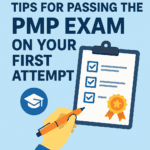
Understanding the PMP Exam Format: Questions, Duration, and Passing Score
The Project Management Professional (PMP) exam is a significant step for many aspiring project managers. Having worked extensively in the field, I’ve seen several candidates navigate this rigorous assessment. Let’s delve into the details of the exam format, focusing on the types of questions, duration, and the passing score, and how you can prepare effectively.
The Structure of the PMP Exam
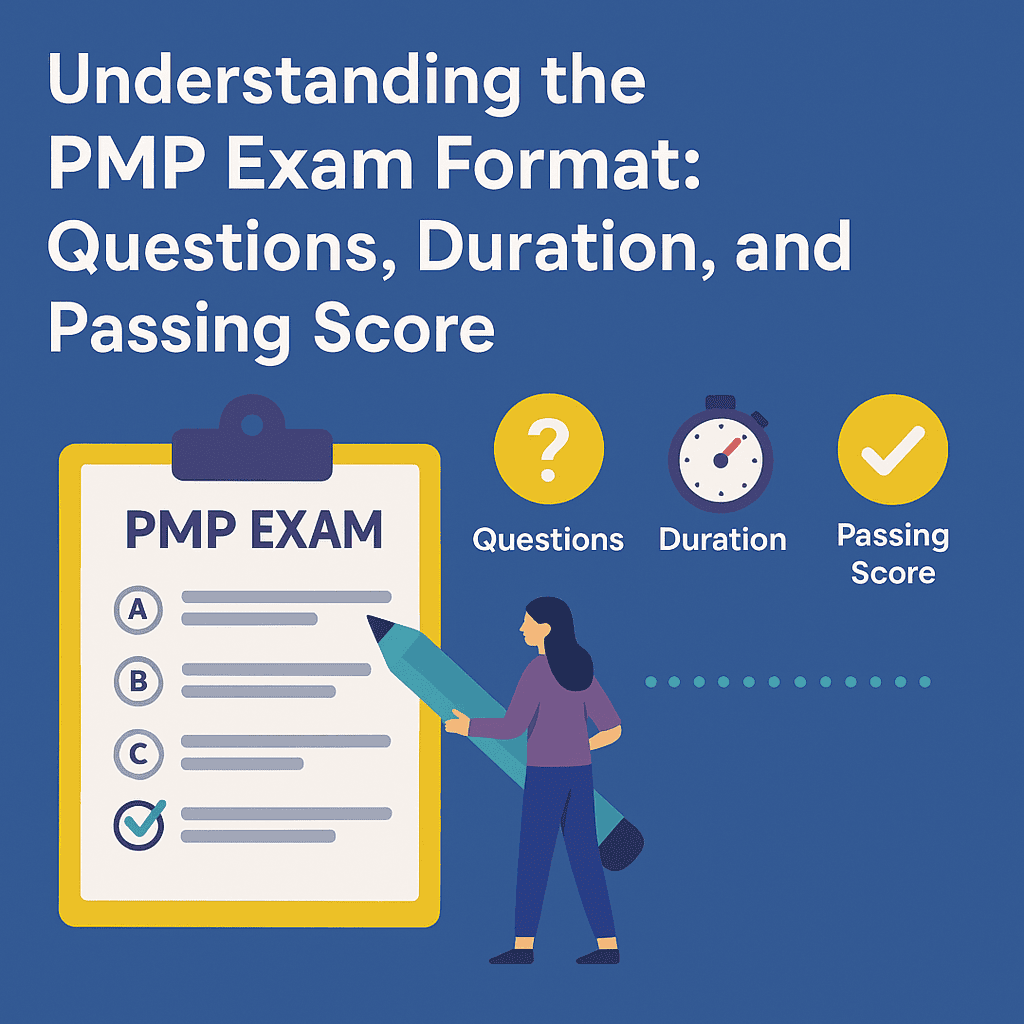
First things first, the PMP exam consists of 180 questions that assess your understanding and application of project management principles. Unlike traditional multiple-choice exams, the PMP has a variety of question types:
- Multiple Choice – Choose one correct answer from four options.
- Multiple Responses – Select two or more correct answers from a given set.
- Fill-in-the-Blank – Complete a statement based on your knowledge.
It’s important to be familiar with these different formats since they can change the dynamics of your answers. For example, if you come across a fill-in-the-blank question, take a moment to think about the key concepts before arriving at your answer.
Duration of the Exam
You’ll have 230 minutes to complete the PMP exam, which may seem daunting at first. To break this down:
- Review Time: There’s a designated period for reading the instructions and questions before the timer starts.
- Breaks: While breaks are not officially built into the exam duration, the computer-based format allows you to take a break if needed. However, keep in mind that the clock keeps ticking!
This structure places an emphasis on time management. Practice sharing your time wisely across the questions. For instance, if you allocate about a minute per question, you can strategically finish on time.
The Passing Score
The passing score for the PMP exam is not publicly disclosed and can vary. However, it generally transcends the standard percentage you might expect from other exams. I’ve observed that many candidates rate this score around 65% to 75%. To maximize your chances:
- Focus on the PMBOK Guide as one of the primary resources.
- Understand Agile principles as they’re increasingly integrated into the exam.
- Familiarize yourself with the Institute’s latest updates, which can impact content.
Case Study: Preparing for Success
Let’s consider Luis, who recently passed the PMP exam. Luis had been in project management for several years but felt he needed a structured study plan. Here’s a glimpse into his strategy:
-
Study Materials: Luis invested in PMP Exam Prep books and practice tests available from PMP Exam services.
-
Courses: He enrolled in a comprehensive course that provided practical examples. This enhanced his understanding of processes and artifacts.
-
Mock Exams: Running multiple practice tests on PMP Exam tools allowed Luis to identify weak areas, manage time better, and adjust his study focus.
-
Study Groups: Engaging with peers in last-minute discussions motivated him and clarified challenging topics. They shared resources, making it a collaborative effort.
Luis emphasizes the importance of grit and resilience. He would take notes when he got a question wrong in practice tests, learning from his mistakes rather than getting discouraged.
Tips for Maximizing Preparation
-
Use Visual Aids: Charts, graphs, and mind maps are handy. For example, mapping out the process groups can enhance retention.
-
Practice, Practice, Practice: Completing practice exams can help get familiar with the exam’s pacing. Websites like PMP Exam practice provide invaluable resources for live assessments.
-
Focus on Agile: Since Agile methodologies are often a primary focus, ensure you can articulate both traditional and agile project management concepts.
-
Stay Calm: During the exam, it’s okay to skip a question to return later. Keeping a level head goes a long way in an environment engineered for pressure.
Interacting with the Exam Format
An interactive way to better understand the exam format is through simulation. There are several online platforms that replicate the PMP exam environment. Engaging in these simulations can build confidence:
- The interface mimics the real exam, helping you adjust to the feedback loop.
- It often provides hints on how to approach different types of questions.
Utilize study groups or forums where you can share experiences and wisdom. This helps demystify intimidating questions and builds a community that can provide emotional support.
FAQs Section
1. How often is the PMP exam updated?
The PMP exam is updated periodically to reflect changes in project management practices and methodologies. Staying attentive to the Project Management Institute (PMI) announcements is imperative.
2. Can I retake the PMP exam if I fail?
Yes, candidates can retake the exam up to three times within a year. However, there’s a waiting period after each attempt.
3. What resources are recommended for study?
A combination of the PMBOK Guide, online courses, and practice examinations from reputable vendors can provide a well-rounded preparation plan. Always look for the latest editions.
4. Is a calculator allowed during the exam?
A basic calculator is provided within the exam interface for your use. Familiarize yourself with this feature during practice tests.
5. How do I maintain my PMP certification after passing?
After obtaining your PMP certification, you need to earn 60 PDUs (Professional Development Units) every three years to maintain it. Engage in ongoing education, training, or leadership opportunities.
Remember, passing the PMP exam is a journey that requires dedication, strategic planning, and a desire to continually learn. Embrace this process, and you will not only pass but also enrich your project management career.
For more resources, consider visiting the provided links for updated information on exam prep materials and services. Good luck on your journey, and may your future projects be successful! ✨