Protein Calculator
This protein calculator multiplies body weight by a selected grams-per-kilogram factor to estimate a daily protein amount. It accepts kilograms or pounds and shows the adult RDA reference alongside the selected target so the assumptions remain visible.
By Dr. Hassan Khames EliwaLast updated
Result
- Adult RDA reference
- 56.0 g/day
- Protein energy
- 448 kcal/day
- RDA reference (g/day)56
- Selected target (g/day)112
How it works
One multiplication, different purposes
Daily protein in grams equals body weight in kilograms multiplied by the selected factor. Pounds are converted using 1 lb = 0.45359237 kg. Available factors are 0.8, 1.2, 1.6 and 2.0 g/kg/day. They represent reference scenarios rather than four diagnoses or a ranking in which the largest number is always best.
The National Academies’ RDA for generally healthy adults is 0.8 g/kg/day. An RDA is a population reference intended to cover the needs of nearly all healthy people in the relevant group; it is not an athletic optimization target and does not describe everyone’s clinical requirements. The tool labels it separately to avoid presenting a training scenario as a universal minimum.
The joint Academy of Nutrition and Dietetics, Dietitians of Canada and American College of Sports Medicine position statement discusses approximately 1.2–2.0 g/kg/day for athletes, depending on training and circumstances. This calculator includes 1.6 as an intermediate comparison point, not a uniquely effective threshold. Training volume, total energy, recovery and the person’s wider diet all affect how a target should be interpreted.
Read the outputs together
The headline reports your selected daily amount to one decimal place. The RDA comparison always uses the same entered weight multiplied by 0.8. Protein energy uses 4 kcal per gram; that is only the energy attributed to protein, not the calorie content of the foods needed to obtain it. Foods also contain fat, carbohydrate, water and other components.
The chart compares two gram amounts. If you select 0.8, the bars are equal by design. Choosing a larger factor changes the selected bar but does not establish a biological benefit for you. There is no scoring system, deficiency diagnosis or supplement recommendation hidden in the chart.
Who needs a different assessment
This is an adult educational tool and does not calculate requirements for children, pregnancy, breastfeeding, dialysis or other clinical circumstances. With substantial excess body fat, multiplying actual body weight can produce a target that needs adjustment; do not substitute an invented goal weight without discussing the method. The accepted 20–500 kg range is a data-entry check, not an endorsement of every combination within it.
Worked example
Example 1: the training reference
At 70 kg and 1.6 g/kg/day, the selected amount is 70 × 1.6 = 112.0 g/day. The RDA comparison is 70 × 0.8 = 56.0 g/day. Protein contributes an estimated 448 kcal/day, using 112 × 4. The equivalent imperial weight is about 154.3236 lb; using a rounded pound measurement can produce a small difference.
Example 2: the adult RDA reference
At 80 kg and 0.8 g/kg/day, both the selected amount and RDA reference read 64.0 g/day. Protein energy is 256 kcal/day. Equal bars here mean you selected the reference factor, not that the calculator confirmed nutritional adequacy from a dietary assessment.
Expert tips
Common mistakes
- Entering pounds in the kilogram field can more than double the estimate. Verify the selected unit against your weight record before interpreting an unexpectedly high daily target.
- Protein grams are not food grams. A 100 g serving rarely contains 100 g of protein; use the food label or a reliable composition record when turning the target into meals.
- The highest factor is neither a safety limit nor a promise of muscle gain. It represents a calculation scenario; individual needs and restrictions still require context beyond the menu.
Not medical advice — talk to a clinician. These are screening estimates from published equations. They don't account for your medical history, medication or body composition. Use them to start a conversation with a doctor or dietitian.
Frequently asked questions
Is 0.8 g/kg enough for everyone?
No. It is an adult RDA reference for generally healthy people, not a universal target for athletes or people with medical conditions.
Why include 1.6 g/kg?
It is a useful intermediate scenario within the cited sports-nutrition range. The calculator does not claim that every person benefits from precisely that amount.
Do plant proteins count?
Yes. Protein from plant foods contributes to daily intake. Food variety, digestibility and the overall dietary pattern matter beyond the single total shown here.
Can I use my goal weight?
This tool uses the weight you enter without adjusting it. Whether actual, reference or adjusted weight is appropriate is an individualized nutrition question, especially at body-weight extremes.
What if I have kidney disease?
Do not use a generic training factor as medical guidance. Protein needs and restrictions can differ by diagnosis and treatment, so discuss targets with your care team.
Related calculators
Related guides
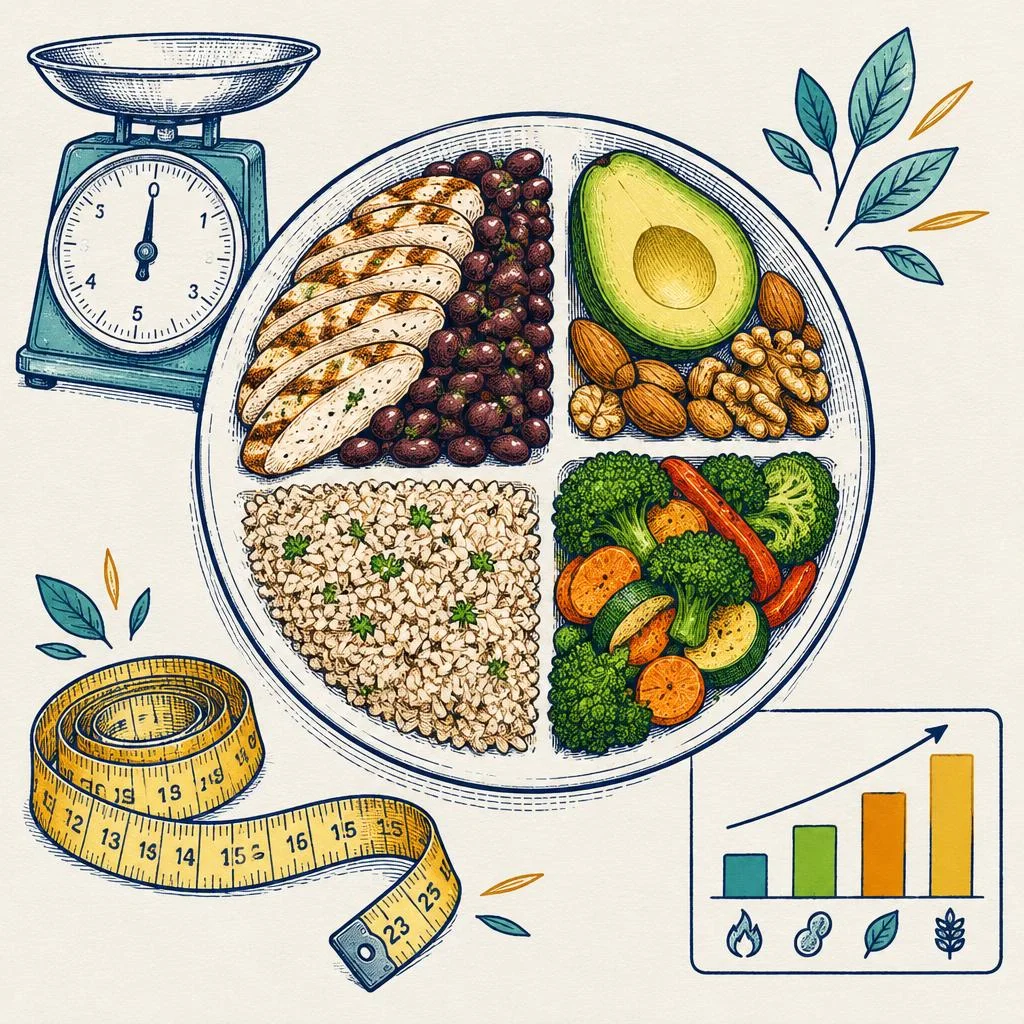 Fitness & HealthTDEE and macros: build an adjustable nutrition planEstimate daily energy needs, translate calories into protein, fat and carbohydrate, and adjust from real trends rather than false precision.14 November 2026 · 8 min read
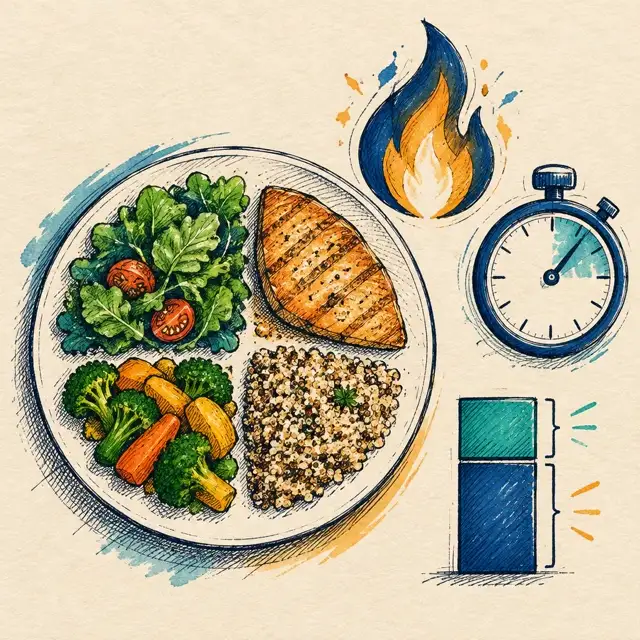 Fitness & HealthHow many calories do you need? BMR vs TDEEBMR describes baseline energy use. TDEE includes daily life. Confusing them can turn a reasonable calorie estimate into an unsuitable target.14 November 2026 · 7 min read
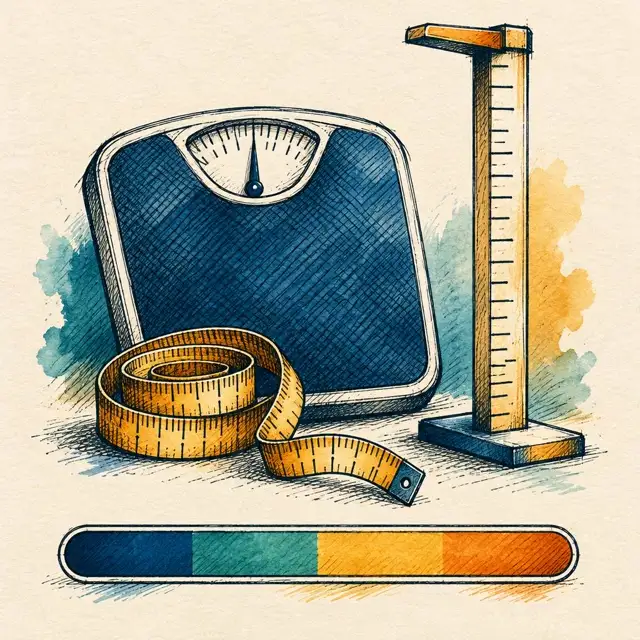 Fitness & HealthBMI: what it tells you and where it misleadsBMI is a useful screening measurement, but it cannot identify body fat, explain weight changes, or diagnose an individual's health.14 November 2026 · 7 min read
Sources and standards
About the author
Dr. Hassan Khames Eliwa holds a PhD in Construction & Built Environment and has more than 20 years of international project controls experience. He is Director of Eliwa Project Controls Limited in Auckland and founder of PMMilestone.org and PMMilestone.com.
Buy me a coffee