
Retention Progress Payment Calculator
This retention and progress payment calculator estimates a current payment from cumulative work done, retained money, a monetary cap and previous payments. It can model a stated practical-completion release, but it provides general financial information rather than contract interpretation or payment advice.
By Dr. Hassan Khames EliwaLast updated
Result
- Retention before release
- $5,000.00
- Retention released
- $0.00
- Retention remaining
- $5,000.00
- Cumulative entitlement
- $95,000.00
How it works
Start with a cumulative valuation
Enter the cumulative value of eligible work done, not just this period's work. Use a consistent basis for previous payments: this model expects cumulative payments already made against the same valuation, excluding tax. If you are comparing certified rather than paid amounts, keep that convention consistent and recognise that the result then represents a certification movement rather than necessarily a bank receipt.
Apply the rate and monetary cap
Retention before release is the smaller of cumulative work multiplied by the retention percentage and the entered money cap. A zero cap therefore means no retention, not an unlimited cap. When practical completion is selected, the release percentage applies to this calculated retained balance. Remaining retention equals that balance less the release; cumulative entitlement equals work done less remaining retention.
The current payment is cumulative entitlement minus previous payments. A negative result is shown rather than forced to zero, because it flags that previous payments exceed the modelled entitlement. Investigate the valuation and payment history before treating that difference as a recoverable debt. This simplified model does not decide whether any deduction or recovery is permitted.
Separate the arithmetic from contractual rights
Practical completion does not automatically release a universal proportion of retention. Enter only the release assumption appropriate to your planning exercise and verify it against the actual agreement and applicable law. The UK Construction Supply Chain Payment Charter is useful background on payment practice, not a substitute for your contract. The calculator does not implement notices, tax, advance recovery, set-off, variations or adjudication procedures.
Use the project cash-flow forecast when timing is the issue. An arithmetic payment entitlement is not a promise that money will arrive on the valuation date.
Worked example
Example: routine progress valuation
With cumulative work of $100,000, retention of 5%, a $10,000 cap and previous payments of $60,000, retention before release is $5,000. With no practical-completion release, remaining retention stays $5,000 and cumulative entitlement is $95,000. The current payment is therefore $35,000.
Example: cap reached and partial release
Use $300,000 work done, the same 5% rate and $10,000 cap, and previous payments of $250,000. Select practical completion and release 50%. Retention before release is capped at $10,000; $5,000 is released and $5,000 remains held. Cumulative entitlement is $295,000, giving a current payment of $45,000.
Expert tips
Common mistakes
- Entering only this month’s work while leaving all previous payments in place. The formula deliberately combines cumulative work with cumulative payments, so mixing periods produces a misleading result.
- Treating practical completion as an automatic right to the displayed release. The percentage is an explicit modelling input, not a statement about any particular contract.
- Including tax in previous payments while excluding it from work done. Compare like with like and calculate taxes or statutory adjustments separately on an agreed basis.
Frequently asked questions
Is this contract advice?
No. It is a transparent arithmetic model for planning and checking a valuation. Contract wording, notices, statutory payment rules and the facts determine actual rights and obligations; obtain qualified advice where needed.
What does a zero cap mean?
It means retention is capped at zero, so none is withheld. To represent a cap that will not bind this valuation, enter a monetary cap at least as large as the calculated retention.
Can the payment be negative?
Yes. A negative result means previous payments exceed the cumulative entitlement under these assumptions. It is a reconciliation warning rather than an instruction to recover money or issue a deduction.
Does the release add to work done?
No. Release reduces the retention remaining against the same cumulative work value. Adding it to work as well would count the release twice and overstate the modelled entitlement.
How is practical completion handled?
Selecting it reveals a release percentage, applied to the calculated retention balance. Nothing is released in the model when practical completion is not selected, regardless of the hidden release field.
Are payment dates included?
No. This tool estimates an amount without modelling due dates, final dates for payment, certification periods or bank processing. Carry the agreed amount into a separate dated cash-flow forecast.
Related calculators
Related guides
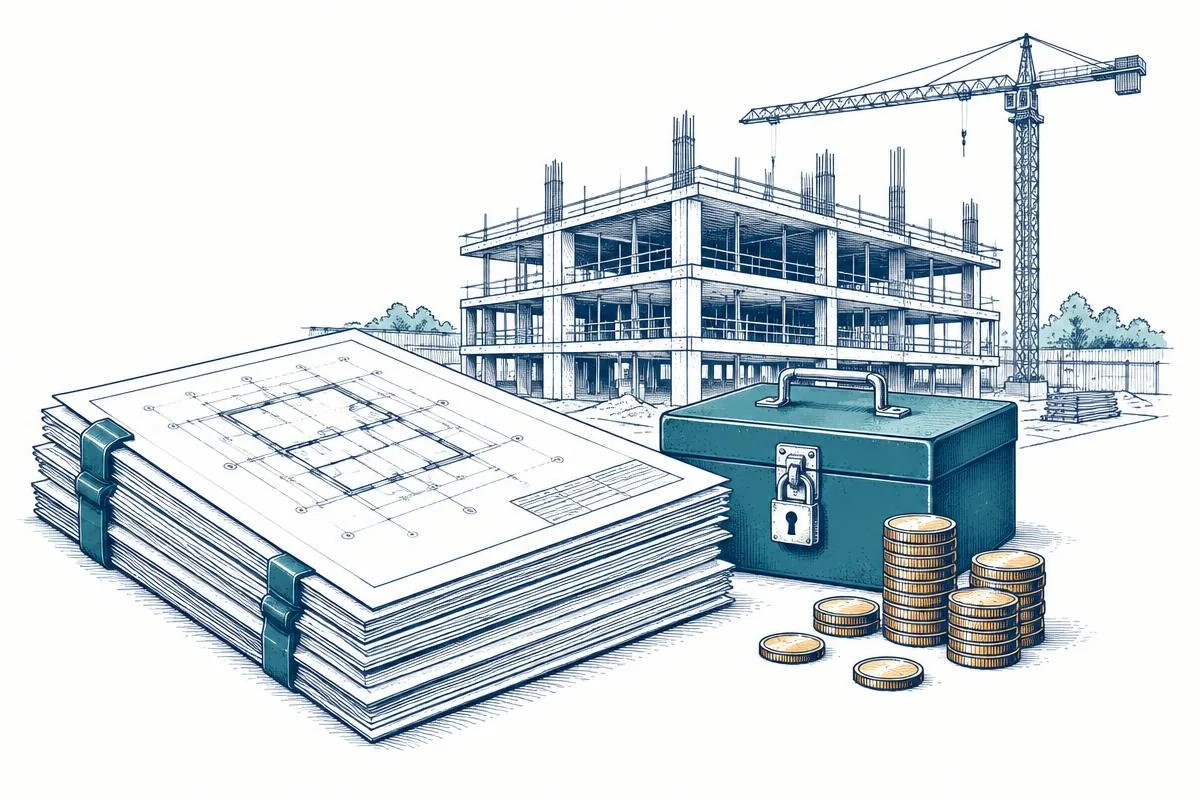 Construction & ProjectRetention Money: Follow the Cash Through Each PaymentUnderstand retention deductions, caps, releases, and cumulative payment arithmetic with a transparent worked example.17 November 2026 · 7 min read
 Construction & ProjectMeasuring physical progress: weighted milestones versus percent completeUse evidence-based milestones and stable weights to report completed work without confusing expenditure with physical progress.15 November 2026 · 8 min read
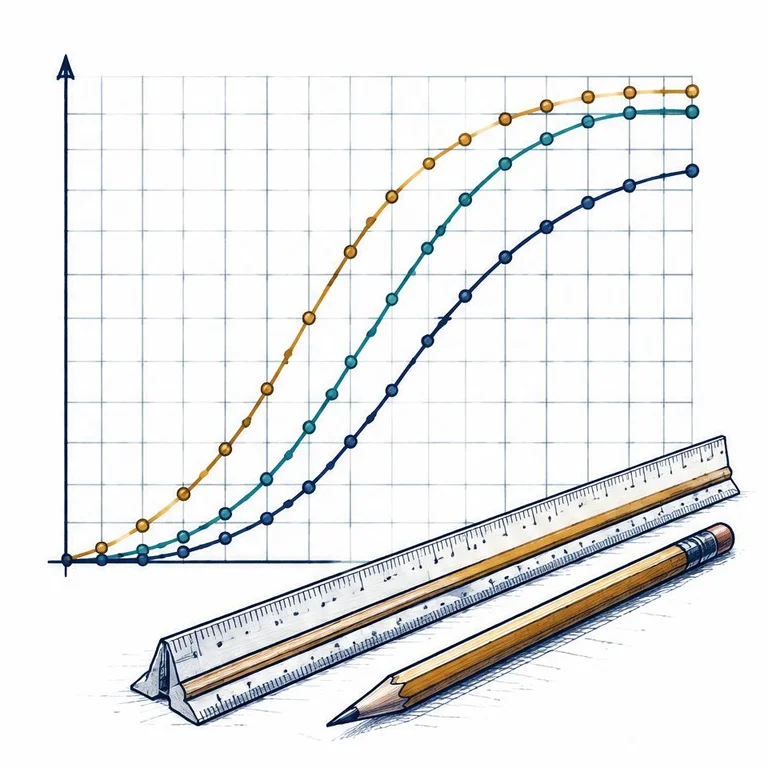 Construction & ProjectReading an S-curve: planned, earned and actual on one chartA practical way to separate planned accomplishment, earned value and actual cost before interpreting the gaps.15 November 2026 · 8 min read
Sources and standards
About the author
Dr. Hassan Khames Eliwa holds a PhD in Construction & Built Environment and has more than 20 years of international project controls experience. He is Director of Eliwa Project Controls Limited in Auckland and founder of PMMilestone.org and PMMilestone.com.
Buy me a coffee