
To achieve maximum efficiency in construction projects, it’s crucial to implement effective project controls. These controls are not just a set of processes; they help you monitor, forecast, and manage projects.
Understand the Key Components of Project Controls
1. Planning and Scheduling
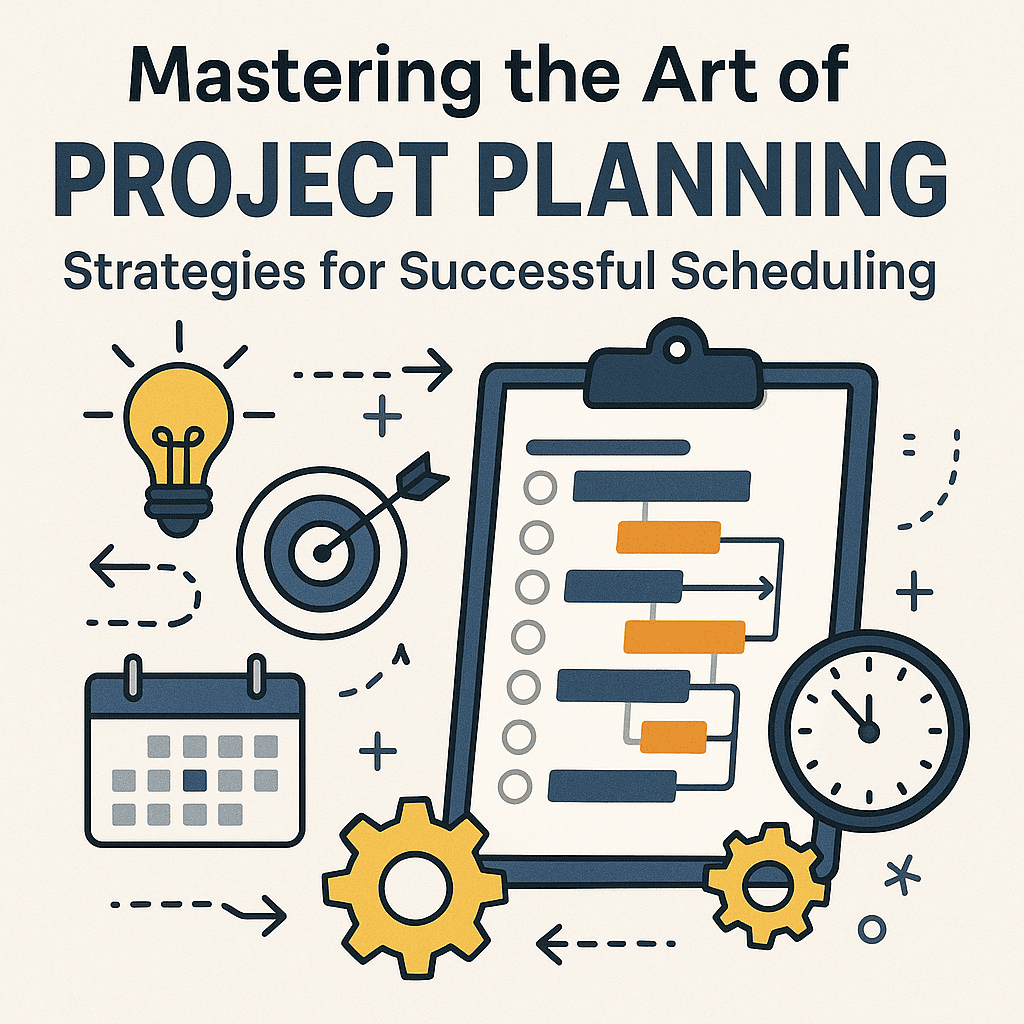
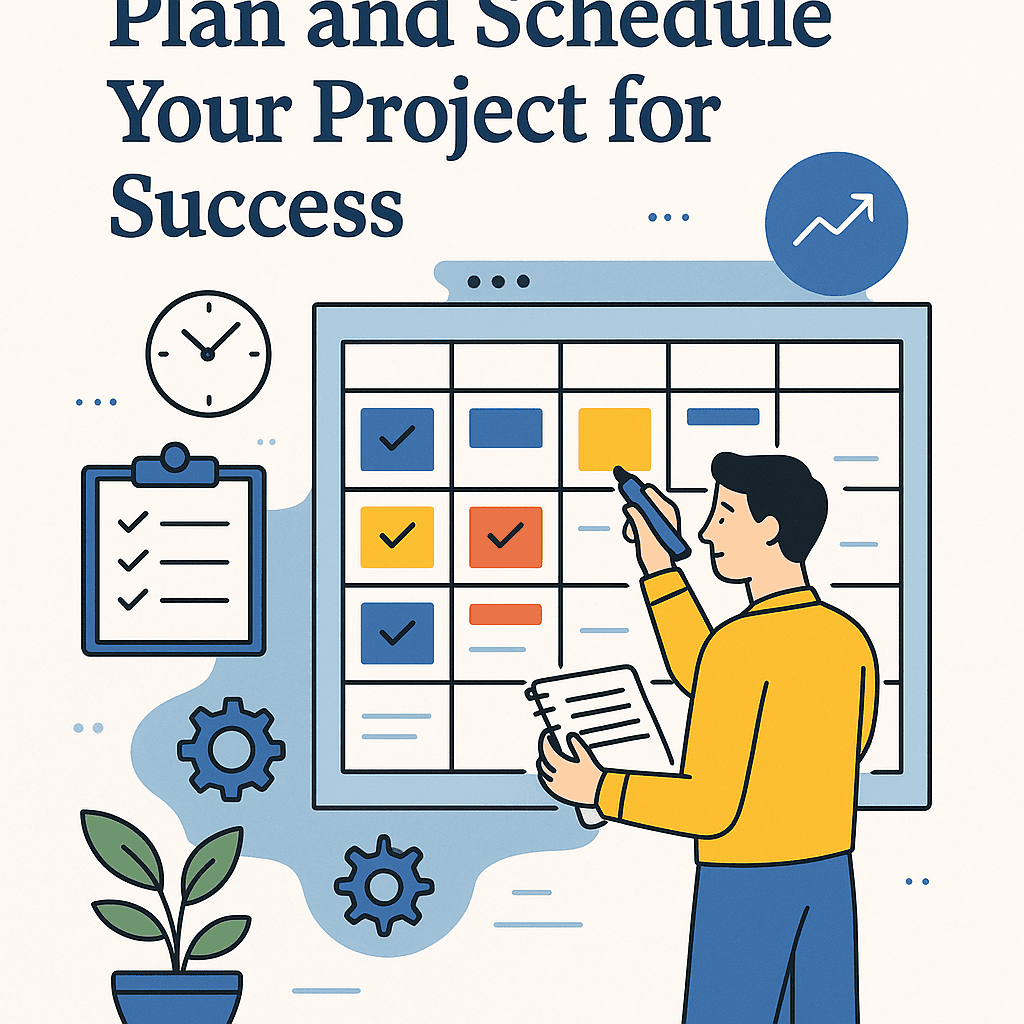
Effective project controls begin with robust planning. Utilize tools like Primavera P6 and Microsoft Project for scheduling. These tools allow you to create a baseline schedule that acts as a reference through the project life cycle.
Example:
For instance, in a recent commercial building project, we used Primavera P6 to map out milestones and dependencies. This helped us identify potential bottlenecks in advance, which we resolved by reallocating resources.
2. Cost Management
Budget control is paramount. Set up a detailed project budget and track expenses regularly. Using software like Oracle’s Aconex can streamline this process.
| Advantages of Cost Management Tools |
|---|
| Real-time expense tracking |
| Automated reporting |
| Improved forecasting |
Just last month, we faced a cost overrun due to weather delays. Fortunately, our budget management tool alerted us in real time, allowing us to adjust critical paths without significant losses.
3. Risk Management
Conduct risk assessments periodically. Allocate a portion of your budget to manage unforeseen issues. Tools like RiskWatch help in identifying and minimizing risks effectively.
Implementing These Controls
1. Use Technology Wisely
Embrace digital tools that aid in project controls. For instance, a cloud-based tool can provide updates for all stakeholders. We implemented Procore on our last project, allowing real-time updates that saved us hours in meetings.
2. Engage Stakeholders
Keep communication lines open. Regularly update your team, clients, and suppliers. Use platforms like Slack or Microsoft Teams for real-time discussions.
Case Study:
During a high-rise construction project, we maintained a weekly status meeting that involved all parties. This transparency built trust and accountability, ensuring quicker resolutions for problems that arose.
Monitor and Adjust as Necessary
Dashboard Utilization
Create dashboards for project metrics such as budget, schedule, and quality. This visual representation allows for immediate recognition of potential issues.
| Benefits of Dashboards |
|---|
| Quick visibility |
| Comparative analysis |
| Enhanced decision-making |
For example, by visualizing the progress in our dashboard, we noticed that a subcontractor was lagging behind. This prompted immediate discussion and resource adjustment before it turned into a more significant issue.
3. Performance Reviews
Hold regular review meetings. Analyze what’s working and what’s not. Use KPIs (Key Performance Indicators) to measure project health.
Enhance Efficiency Through Continuous Improvement
1. Foster a Culture of Learning
Encourage feedback after project completion. This helps identify areas for improvement and can lead to better efficiency in future projects.
2. Use AI for Predictive Analytics
AI tools can analyze historical data to predict future project outcomes, optimizing labor and materials. Services like Constructly can help you make data-driven decisions that enhance efficiency.
3. Training and Development
Regularly train your team on the latest tools and methodologies. This empowers them to adapt quickly to changes and improves project control capabilities.
Conclusion
In today’s fast-paced construction environment, implementing effective project controls is not just beneficial; it’s essential. The integration of technology, keen stakeholder engagement, and continuous learning can elevate your project management game to new heights.
FAQs
1. What are construction project controls?
Construction project controls are processes and tools used to track and manage project progress, costs, schedules, and quality.
2. Why are project controls important?
They help ensure projects are completed on time and within budget while meeting quality standards.
3. What tools are recommended for project controls?
Some top tools include Primavera P6, Microsoft Project, Oracle Aconex, and AI-enhanced services like Constructly.
4. How often should I review project controls?
Regular reviews—ideally weekly or bi-weekly—are necessary to catch issues early and adjust plans accordingly.
5. Can AI improve project control efficiency?
Yes, AI can analyze data from past projects to provide predictive insights, optimizing resource allocation for better outcomes.
By following these guidelines, you can implement effective construction project controls that drive maximum efficiency. If you’re looking for comprehensive construction project control services, be sure to check out Construction Project Control Services and consider leveraging advanced tools like Construction Project Control Tools, including AI-driven solutions.
📊📈🔧