Wallpaper Calculator
This wallpaper calculator estimates whole rolls from wall perimeter, height, roll dimensions and a straight-match pattern repeat. It rounds each drop to the repeat after adding explicit top-and-bottom trimming length, and makes no deductions for doors or windows.
By Dr. Hassan Khames EliwaLast updated
Result
- Wall area (no deductions)
- 38.40 m²
- Rounded cut length
- 3.0000 m
- Required drops
- 32
- Drops per roll
- 3
- Cut length (other units)
- 9.8425 ft
How it works
Measure the lengths that will actually be papered
Perimeter means the combined horizontal wall length receiving full-height wallpaper. For an isolated feature wall, enter that wall length rather than the room perimeter. Height should reflect the tallest required drop where floors or ceilings vary. All dimensional fields use metres in metric mode and feet in imperial mode; convert inches or centimetres before typing them.
Roll width and roll length must come from the particular product. Marketing descriptions such as single roll, double roll and bolt do not reliably describe the physical length across markets. Wallpaper Direct explicitly advises checking the pattern description. Verify that the quantity sold by the retailer corresponds to the physical roll length used here before placing an order.
Round a complete drop before counting rolls
The unrounded cut length is wall height plus the total trimming allowance per drop. Trim is the combined surplus at the top and bottom, not an allowance to be applied twice. For plain paper, set repeat to zero and the cut length stays at that sum. For a positive repeat, cut length equals ceiling((height + trim) / repeat) multiplied by repeat.
Required drops equal perimeter divided by roll width, rounded upward. Drops per roll equal roll length divided by rounded cut length, rounded downward. Whole rolls equal required drops divided by drops per roll, rounded upward. These rounding stages matter: spare short lengths from different rolls cannot be joined into a continuous full-height drop in this model.
If a roll cannot supply even a single complete rounded drop, the calculator returns an error rather than a misleading area-based roll count. A drop that exactly fits the roll is accepted. Reported wall area is perimeter multiplied by height; it is a reference measurement, not the basis for allocating cuts.
Know the pattern assumption
This is a repeated straight-match model. Half-drop matching, offset sequences, reverse hanging, panel sets and murals may need a different cutting schedule. A real patterned roll may also lose material while the first cut is positioned on a motif. Confirm the manufacturer's instructions and discuss the sequence with the decorator instead of assuming the mathematical repeat captures every design constraint.
There is no percentage waste field. Pattern rounding and explicit trim are the allowances built into this estimate. A spare roll for repairs is a separate purchasing decision. Adding a generic waste percentage elsewhere without checking these provisions can count the same cutting loss twice.
Treat openings conservatively
Doors and windows are not deducted. Full drops often cross an opening, and usable offcuts depend on match position, wall sequence and the lengths above and below that opening. Subtracting opening area from wall area can therefore understate roll needs. Use a separate wall-by-wall cutting layout if openings materially change the project; do not reduce perimeter by the opening widths and expect this model to handle the remaining fragments.
Worked example
Scenario: repeat increases cut length
Walls total 16 m in length and stand 2.4 m high. Rolls are 0.5 m wide and 10 m long, with a 0.6 m repeat and 0.1 m combined trim. The 2.5 m unrounded drop becomes 3.0000 m, or 9.8425 ft. Required drops are 32, each roll supplies 3, and the order is 11 whole rolls. Wall area without deductions is 38.40 m².
Scenario: plain paper in imperial dimensions
A 30 ft wall length is 8 ft high. Rolls are 2 ft wide and 33 ft long. With zero repeat and zero trim, cut length is 8.0000 ft, or 2.4384 m. The job needs 15 drops; each roll supplies 4 drops. The estimate is 4 whole rolls for 240.00 ft² of wall.
Expert tips
Common mistakes
- Dividing wall area by roll area ignores full-height cuts. Short remnants can leave you short of usable drops despite enough total paper area.
- A half-drop pattern needs its own cutting sequence. Treating it as a straight match can put adjacent motifs out of alignment.
- Implicit opening deductions can understate the roll order. This model keeps complete drops across the entered wall length; review reusable fragments separately.
Frequently asked questions
Are doors deducted?
No. Doors and windows remain within the full-drop estimate; useful fragments need a separate cutting layout.
What does trim mean?
It is the total extra length for both ends of each drop, entered once.
How is plain paper handled?
Set repeat to zero. The cut length then equals wall height plus trim without repeat rounding.
Why can a large roll give an error?
Its area may be large while its length is still shorter than one required complete drop.
Does it handle half-drop patterns?
Not directly. Use the product instructions and a dedicated sequence for offset matching.
Should another waste percentage be added?
Not automatically. Trim and repeat rounding already allow for specific losses; spare repair stock is a separate choice.
Related calculators
Related guides
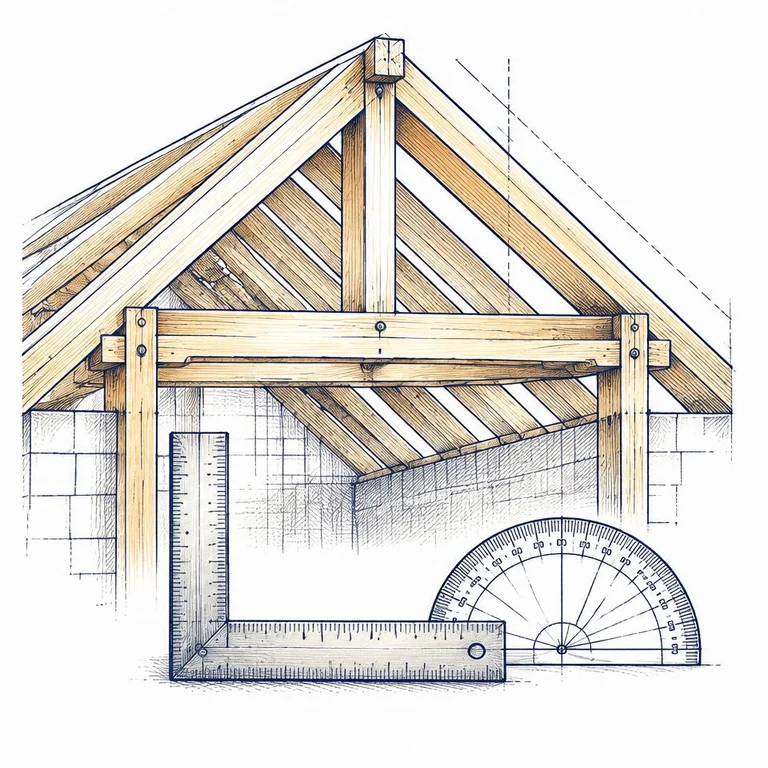 Construction & ProjectRoof pitch, rafters and slope: one triangle, three tradesOne labeled triangle connects roof pitch, percent grade, and rafter slope length, but a geometric answer is not a structural design or cutting list.15 November 2026 · 8 min read
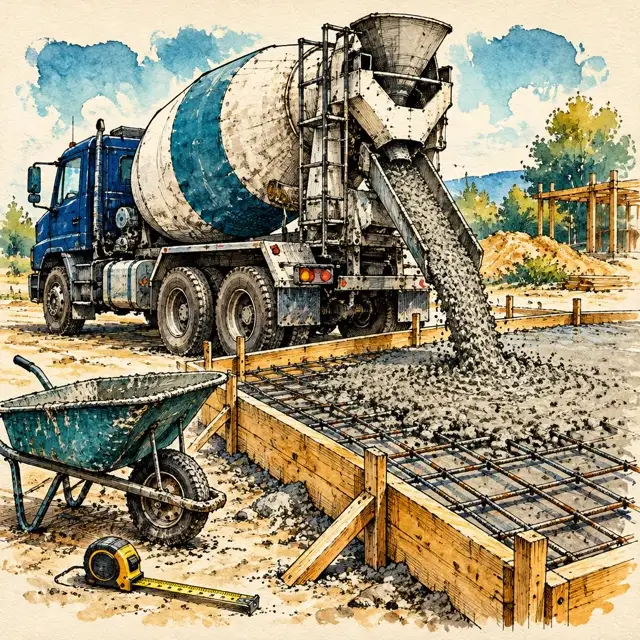 Construction & ProjectHow to order concrete without running short or overpayingA field-focused guide to concrete quantities, thickness checks, sensible allowances and the delivery details that prevent expensive surprises.14 November 2026 · 7 min read
Sources and standards
About the author
Dr. Hassan Khames Eliwa holds a PhD in Construction & Built Environment and has more than 20 years of international project controls experience. He is Director of Eliwa Project Controls Limited in Auckland and founder of PMMilestone.org and PMMilestone.com.
Buy me a coffee